Southern Serengeti & Ndutu
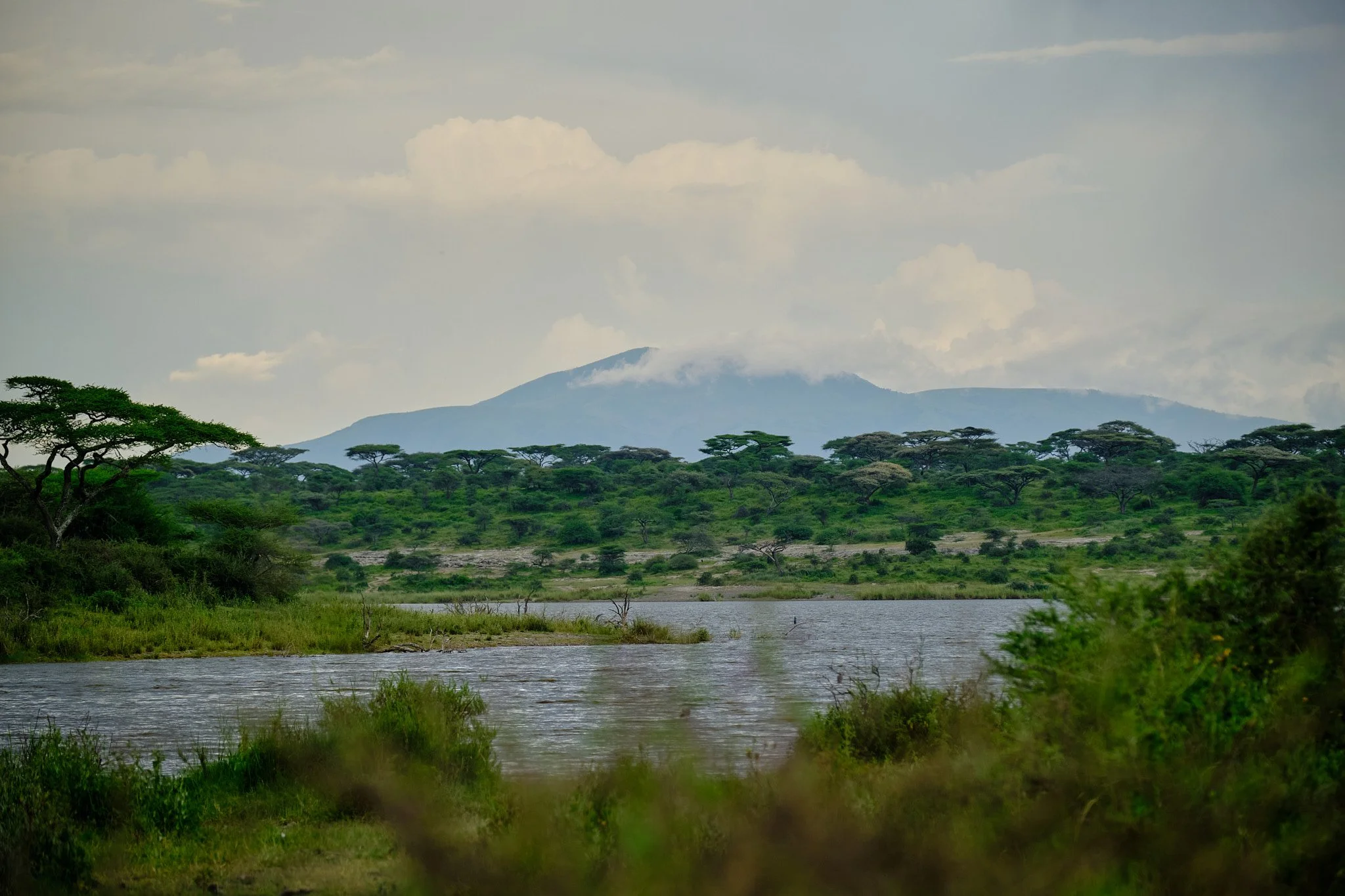
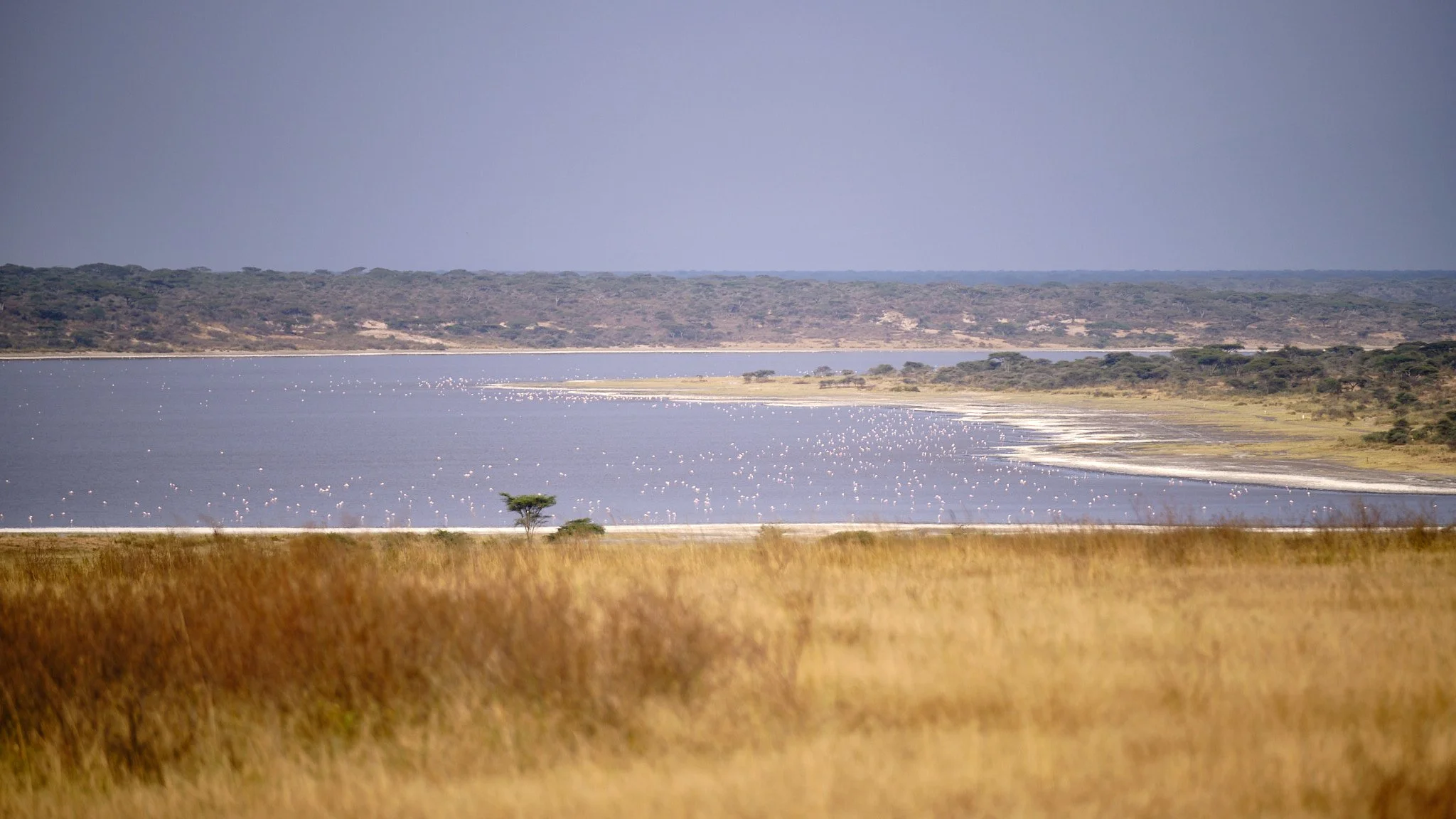
The Serengeti is legendary among the world’s national parks—and for good reason. It is vast, breathtakingly beautiful, and fiercely alive, with the highest concentration of predators in Africa. Serengeti National Park alone is roughly the size of Northern Ireland; combined with the adjacent Ngorongoro Conservation Area and the surrounding reserves, the protected wilderness becomes more than twice as large. Each year, around 1.3 million wildebeest—alongside hundreds of thousands of zebra and gazelle—move through this ecosystem in one of nature’s great spectacles: The Migration. The Serengeti is the very image of Africa’s endless wildlife savannas. Its fame, of course, has a downside: overtourism. That’s why it matters where you go and when.
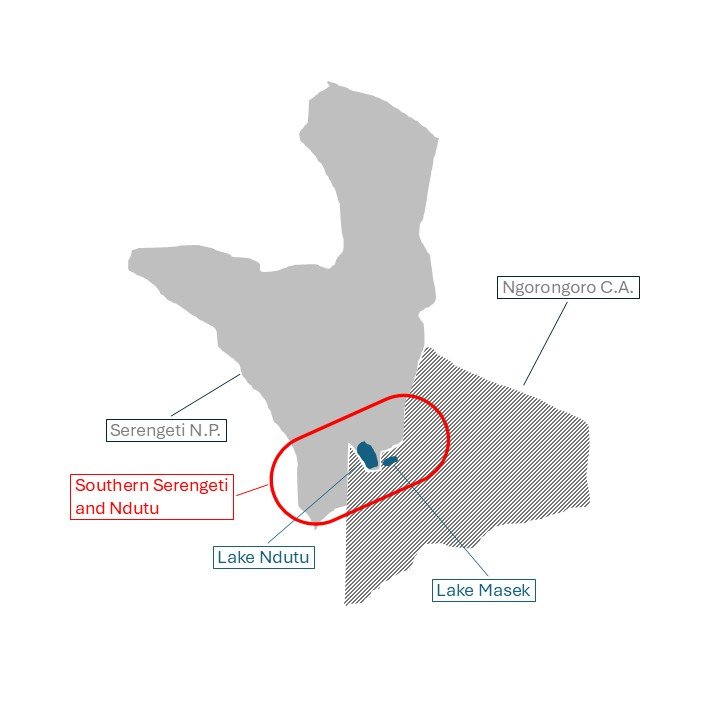
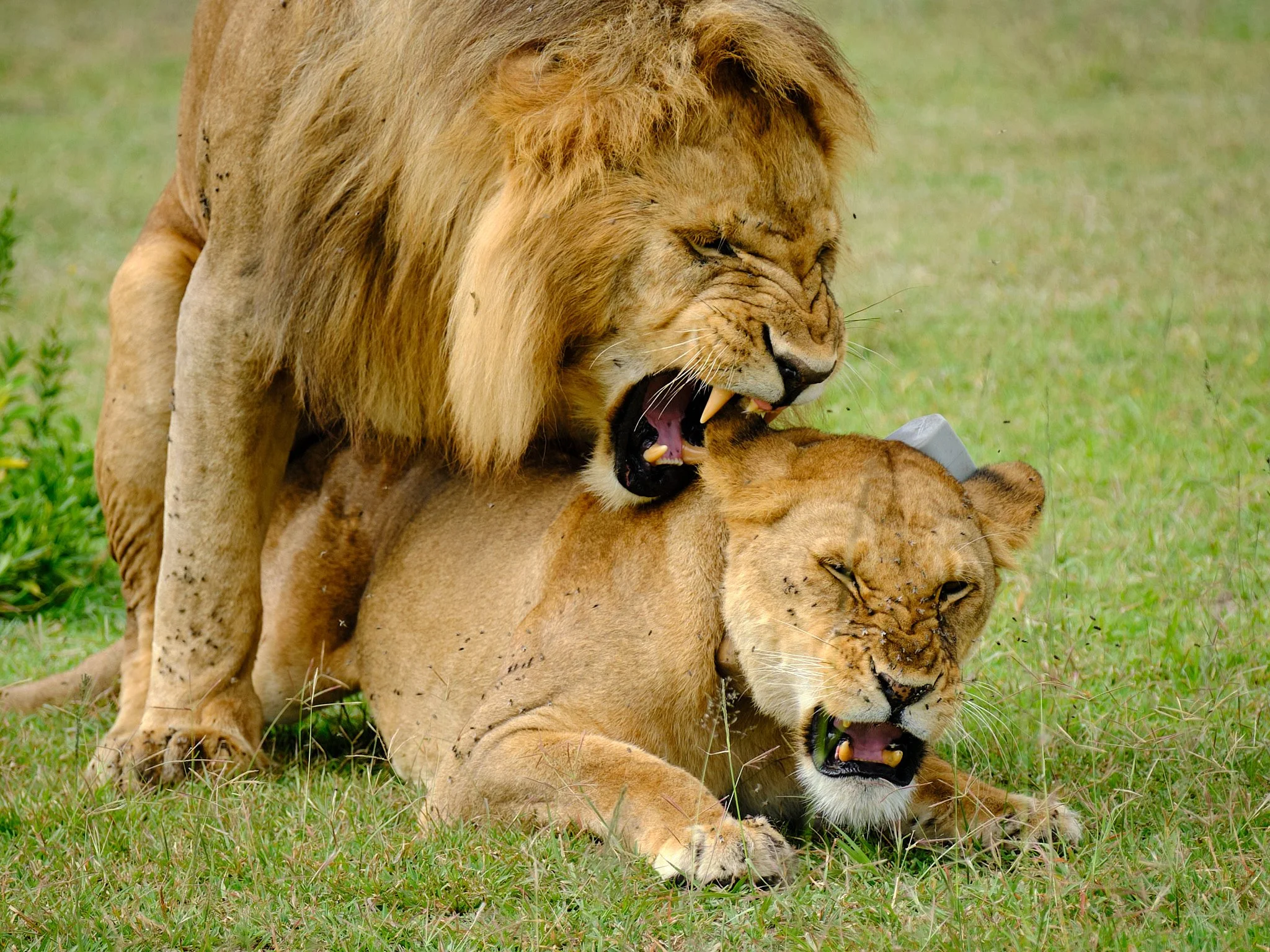
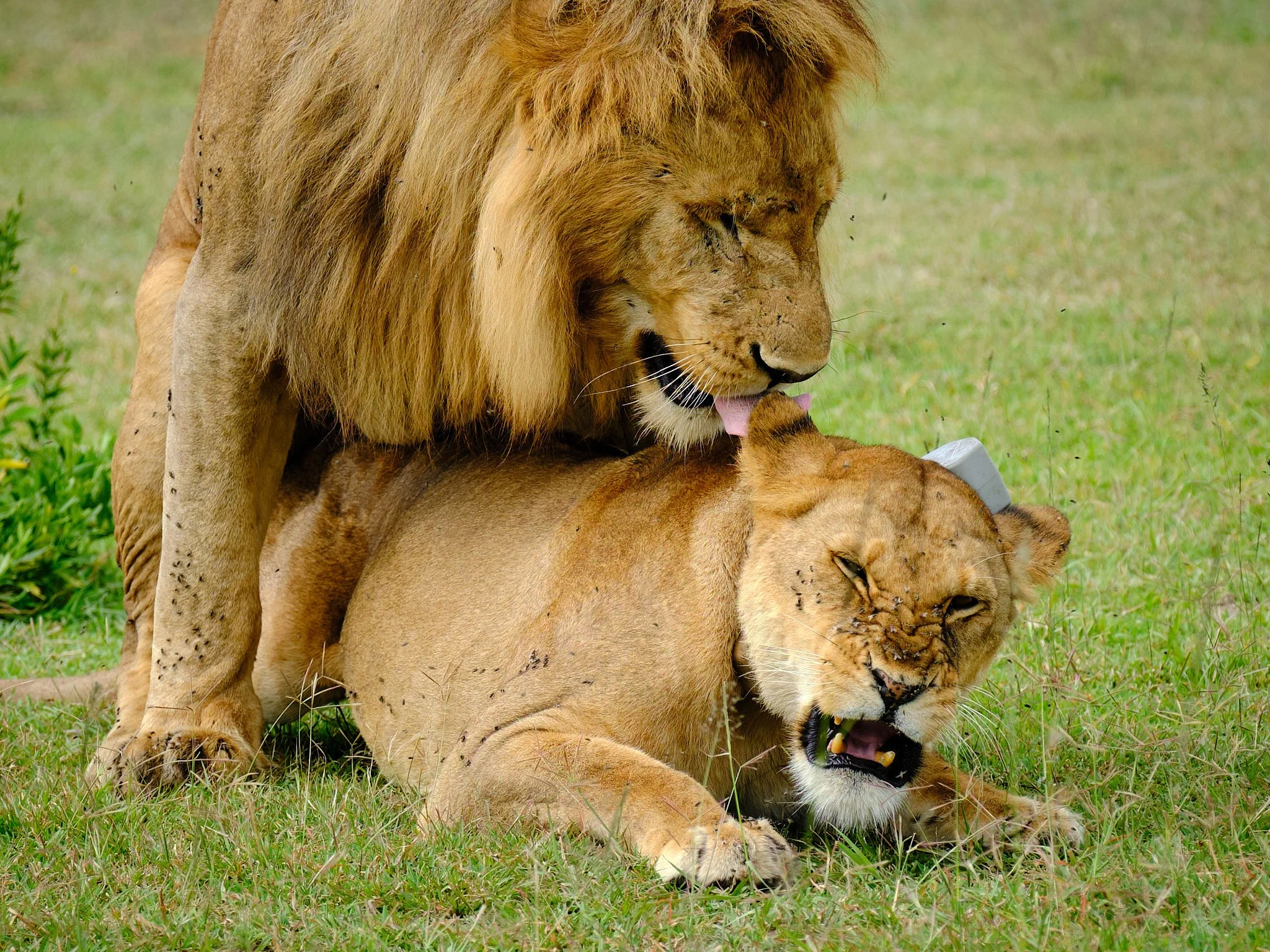
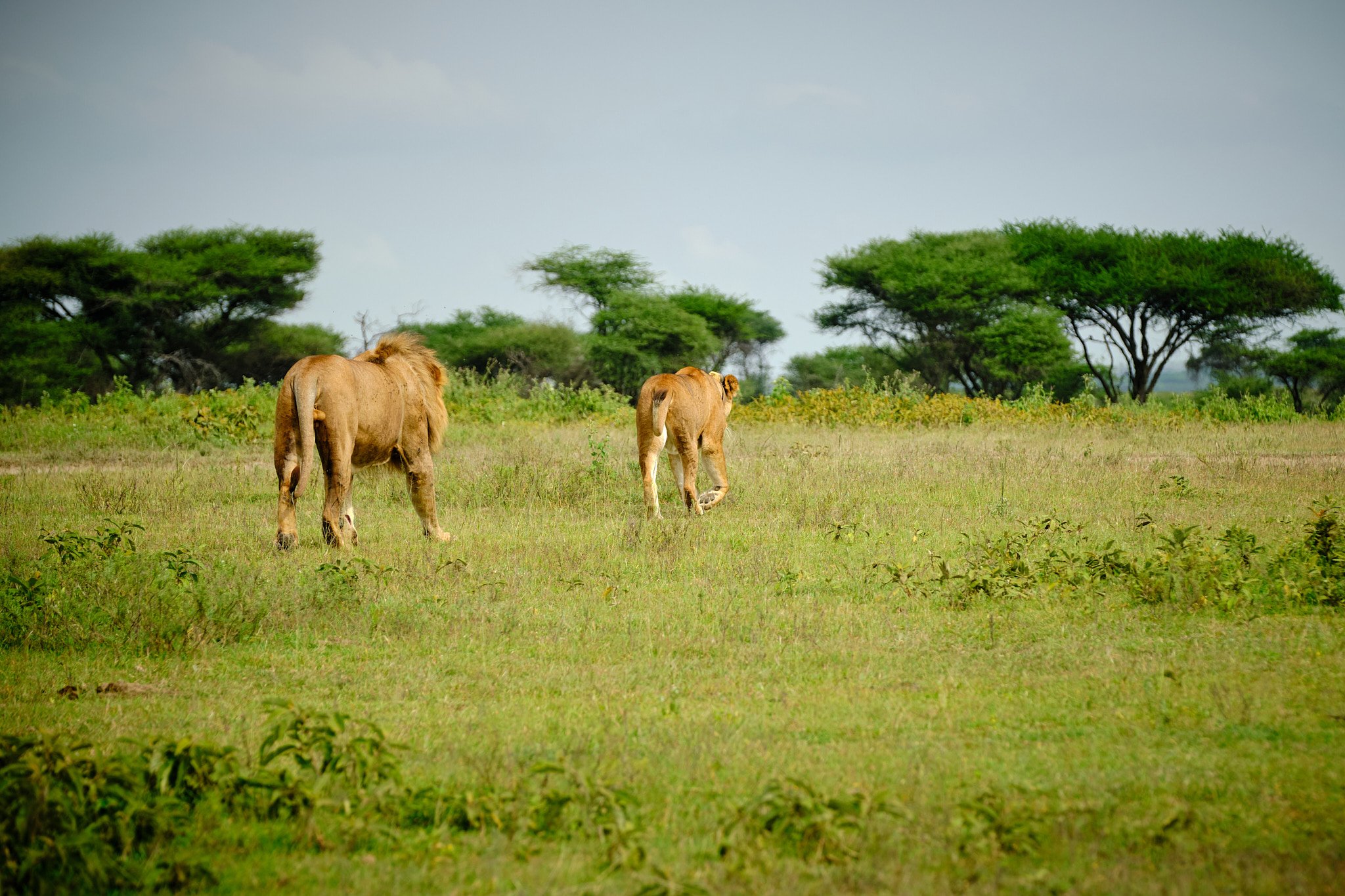
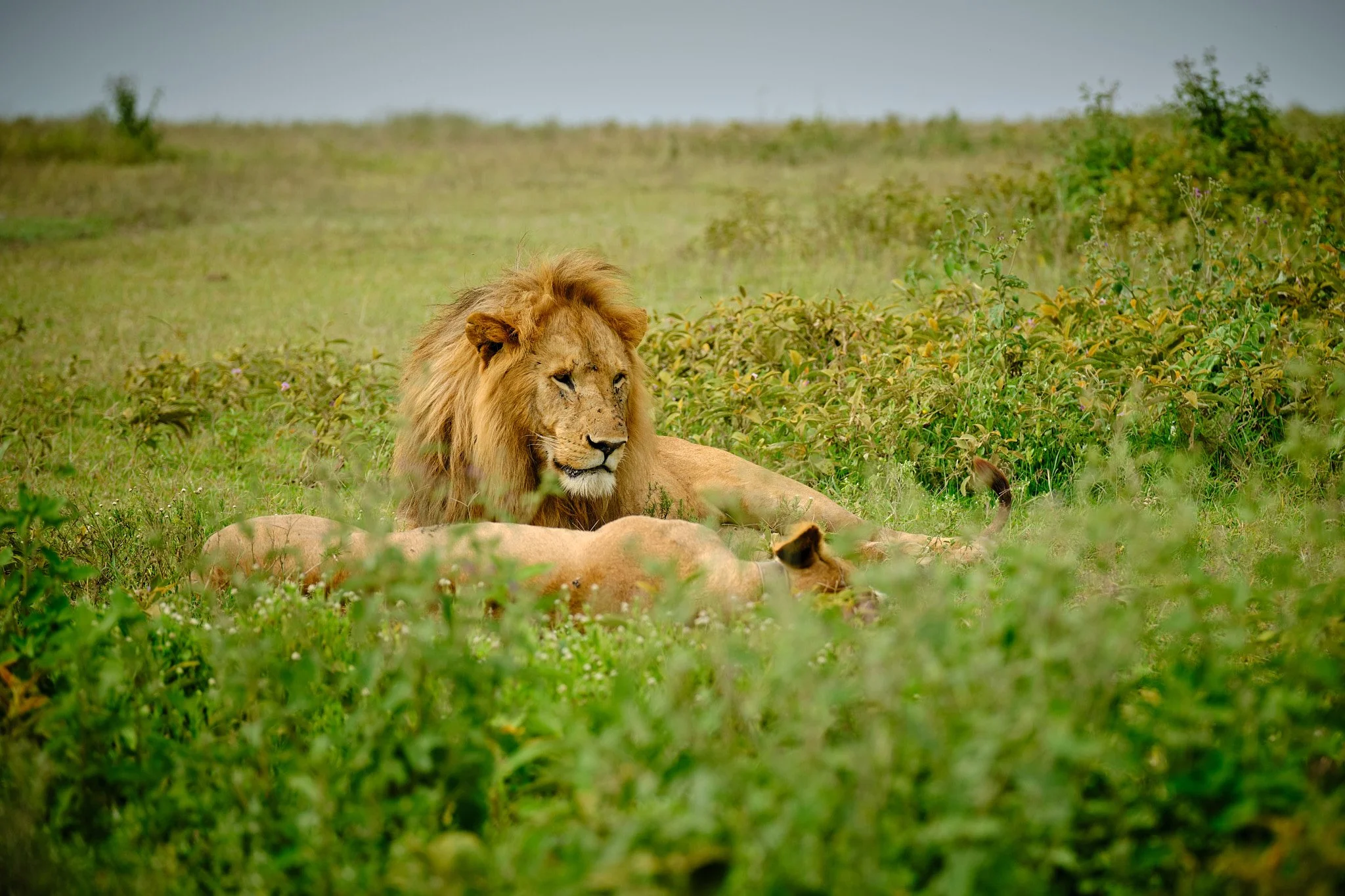
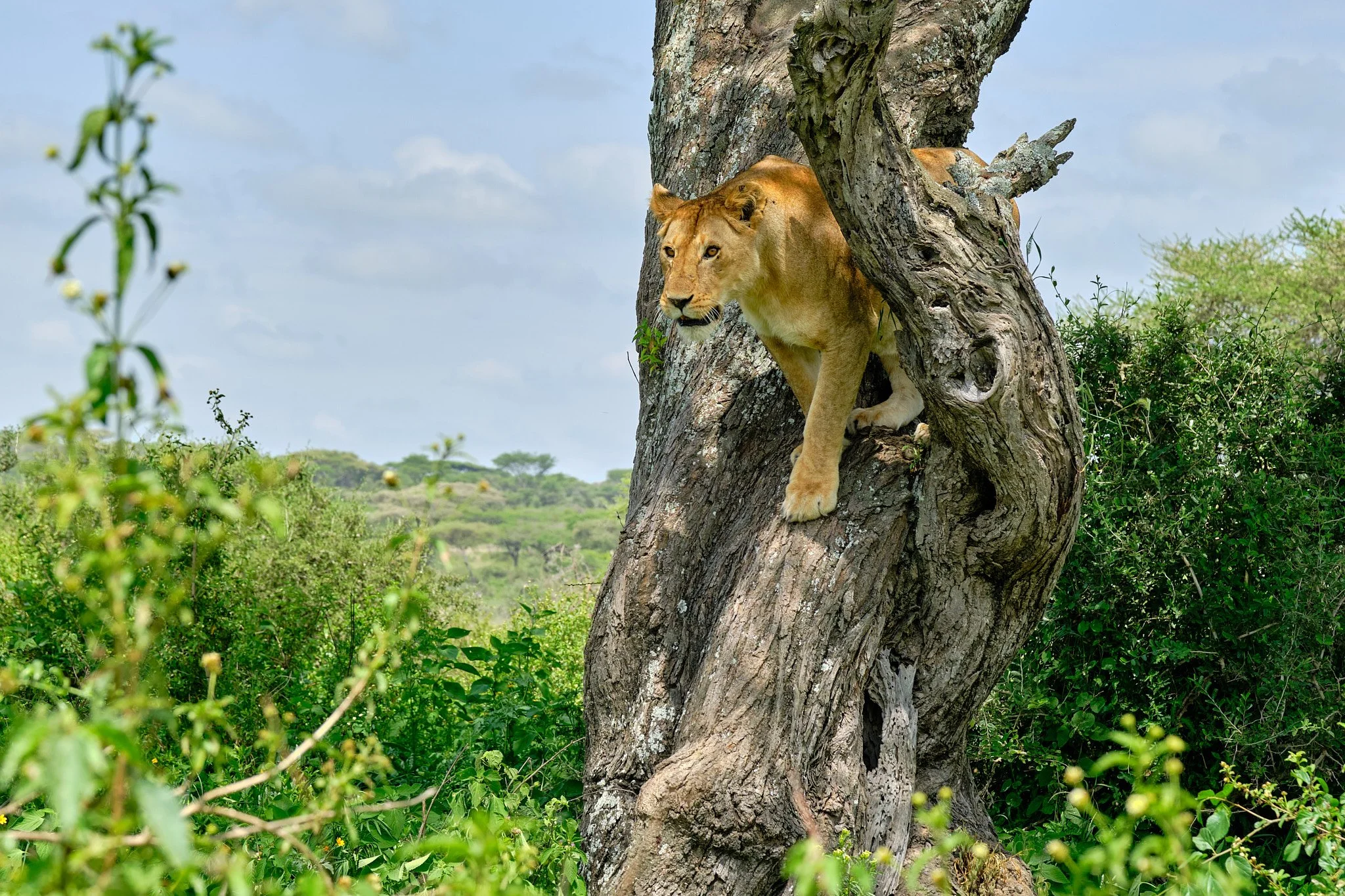
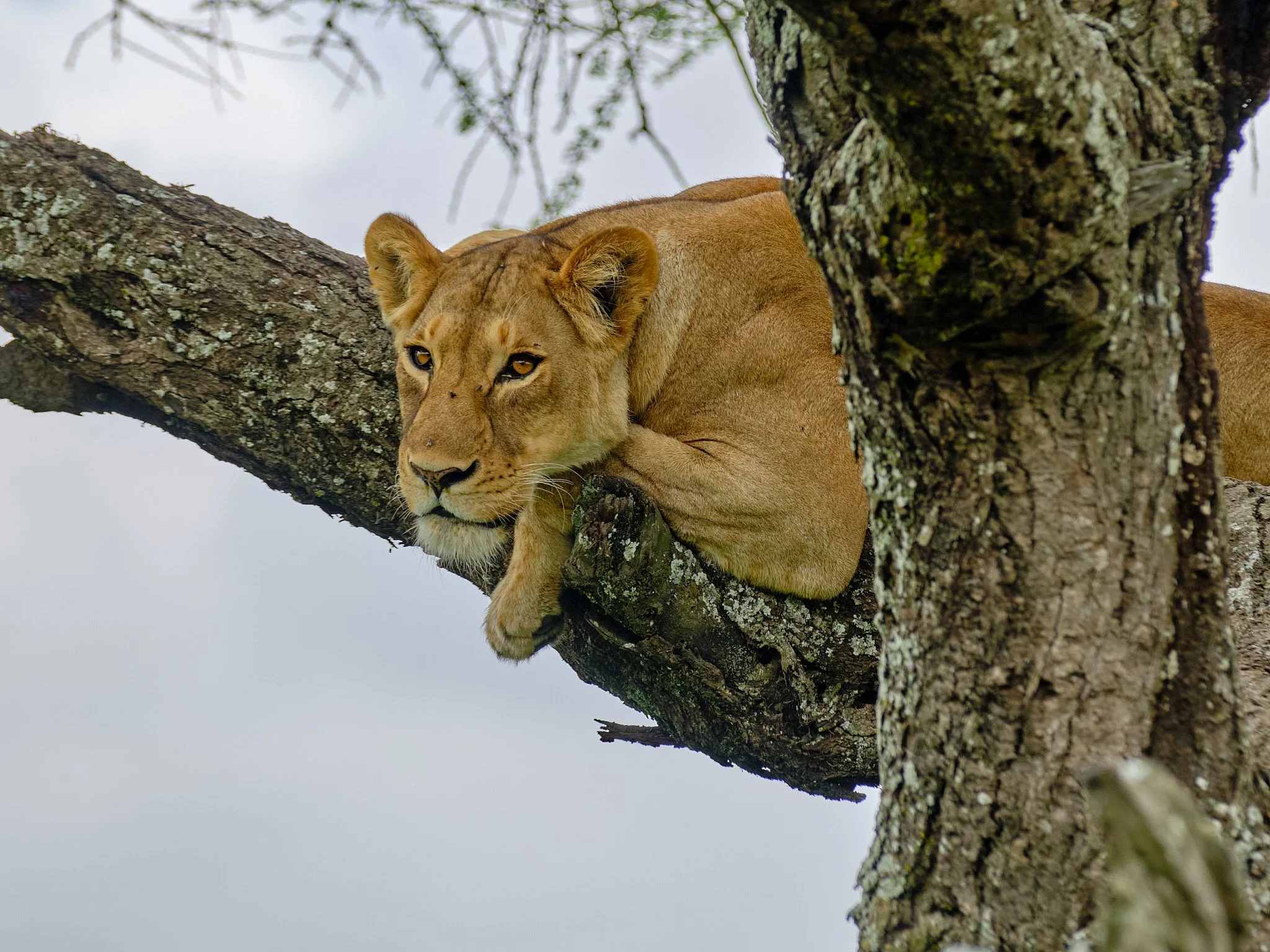
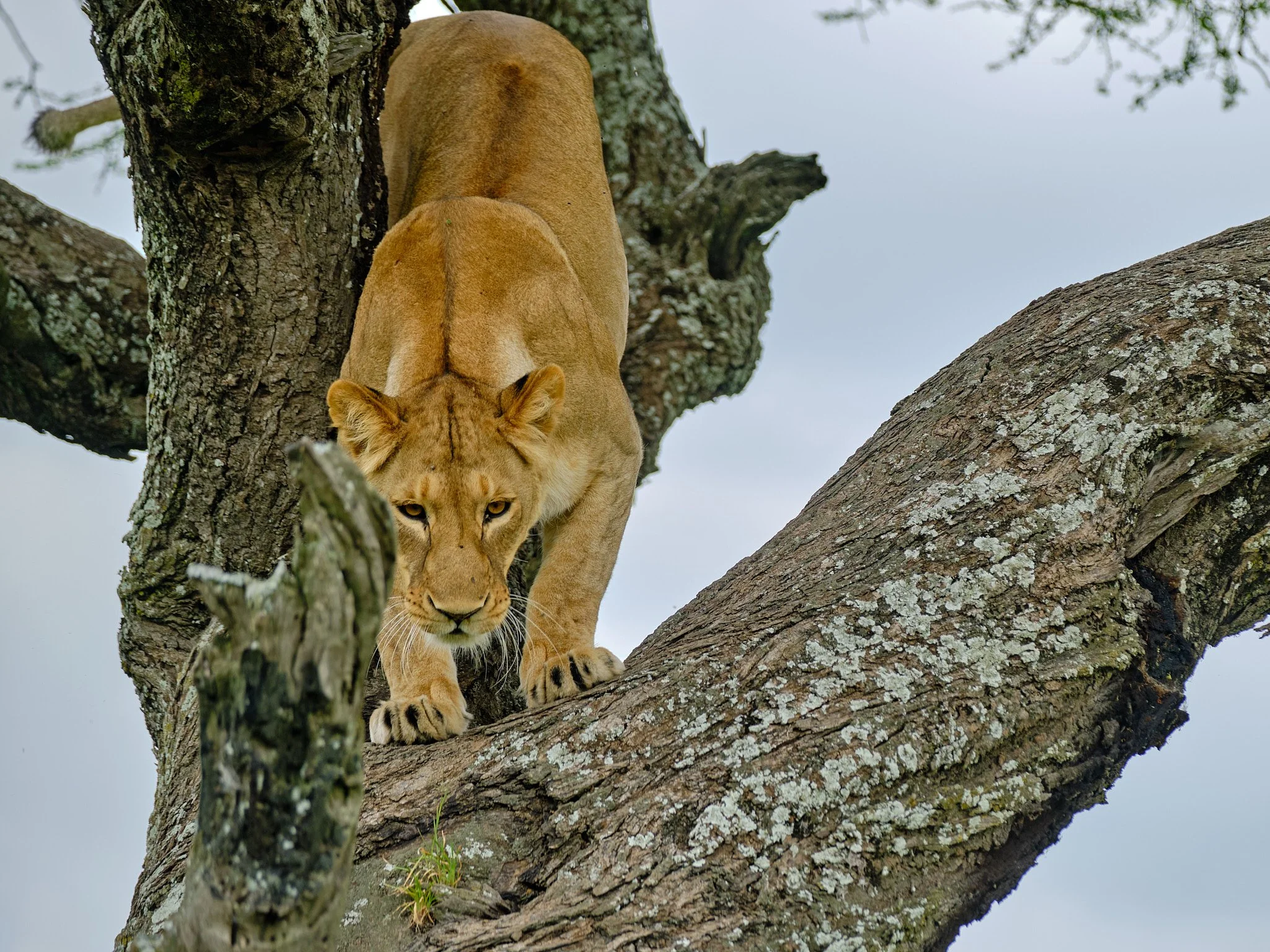
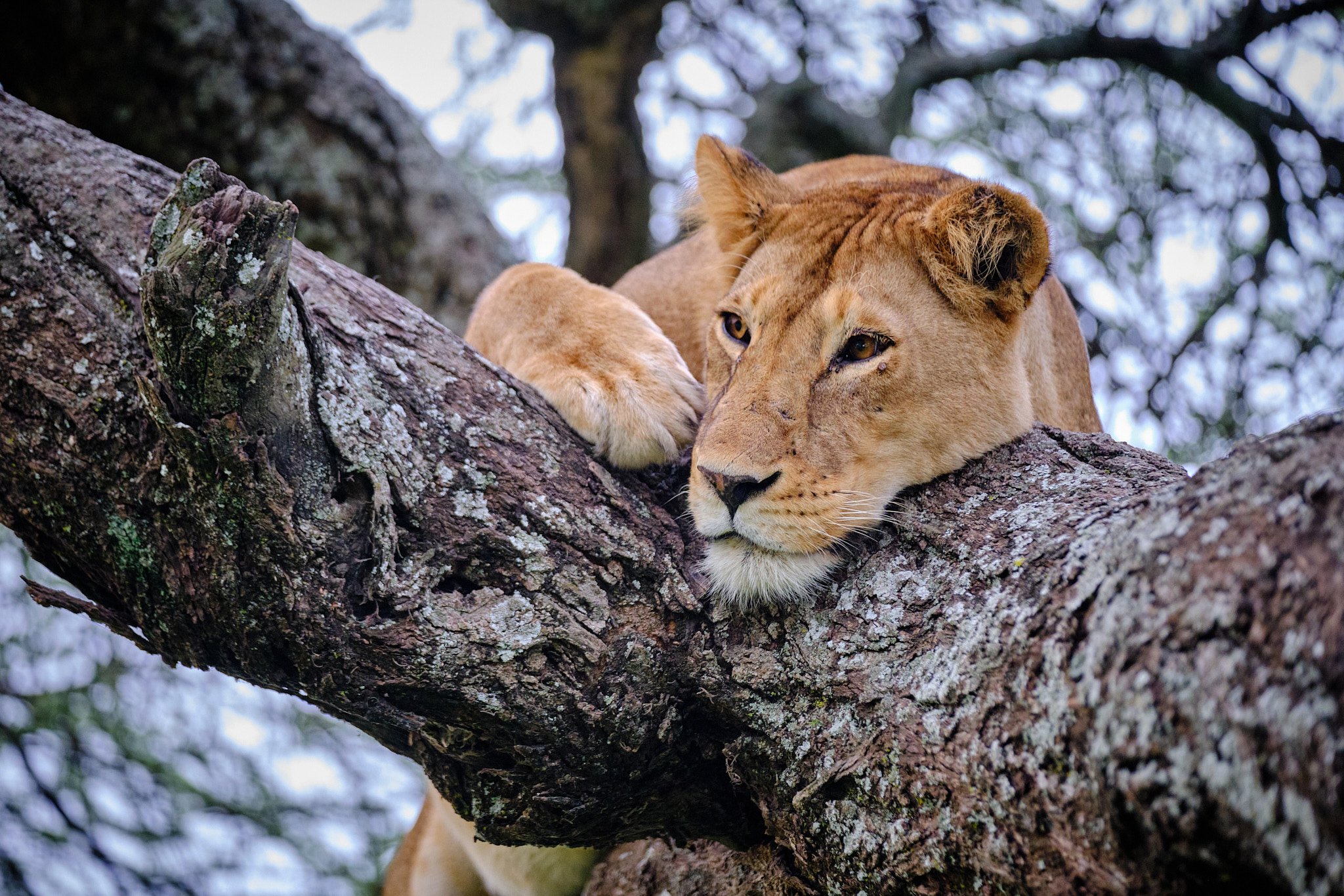
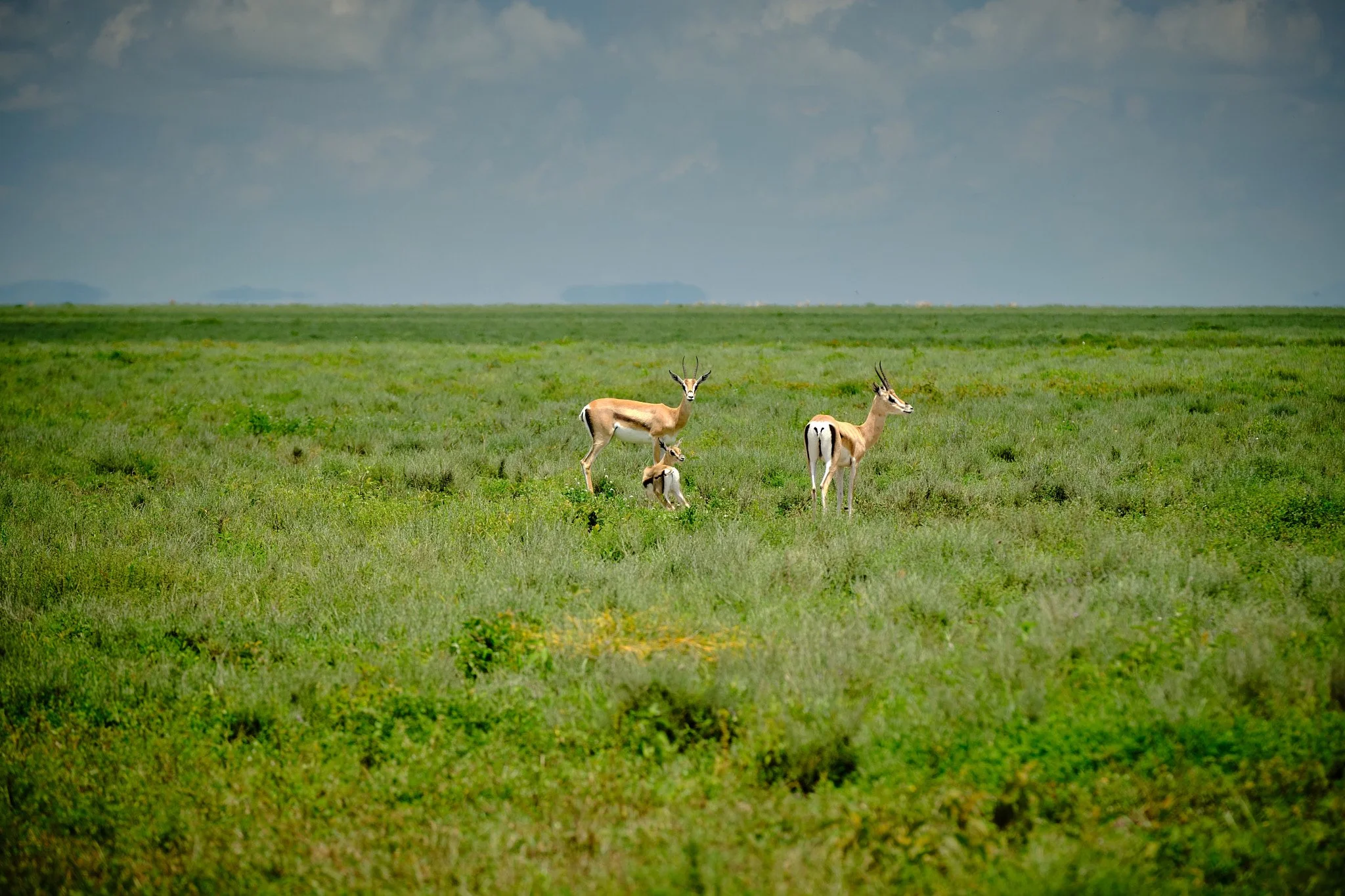
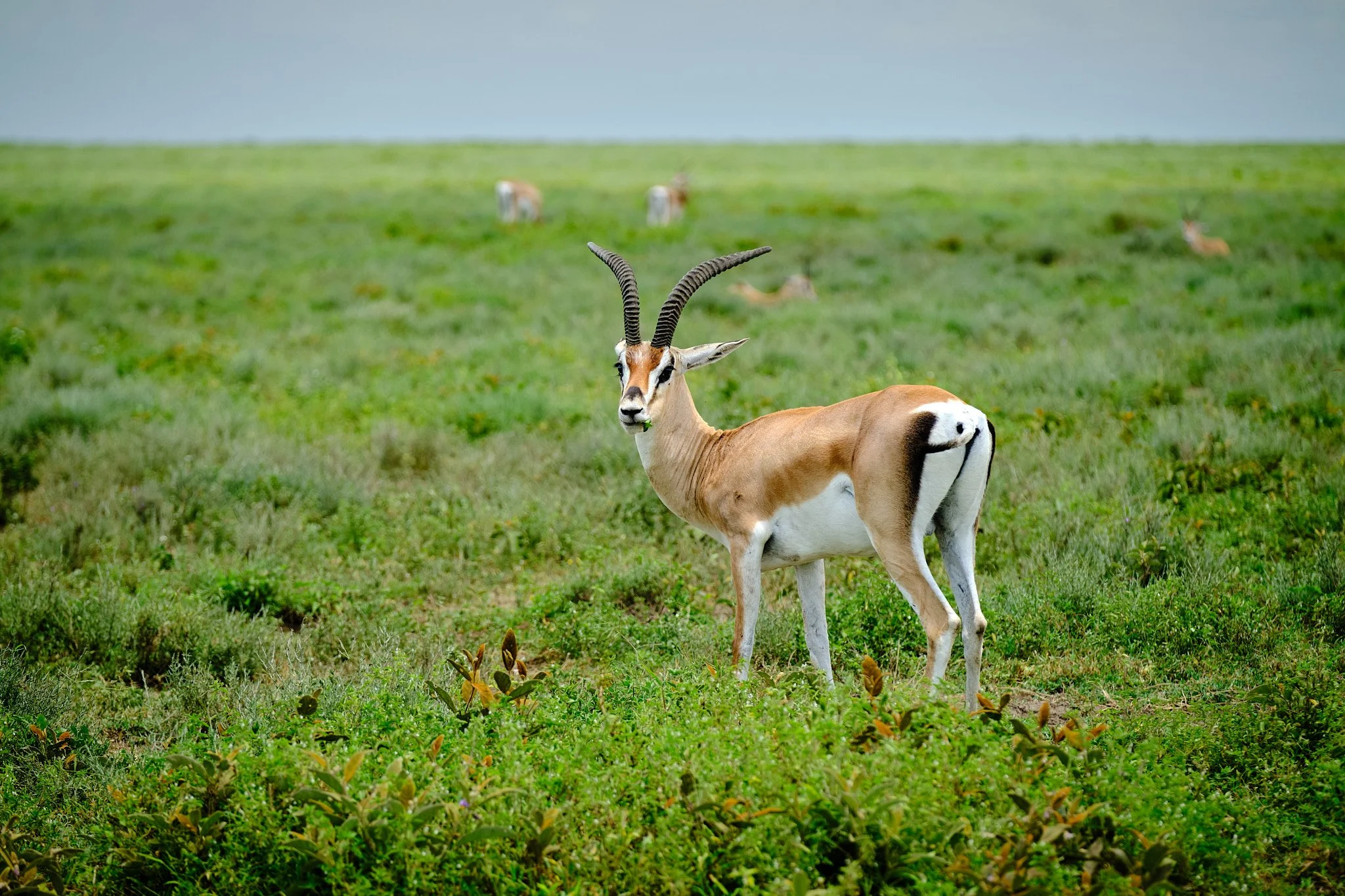
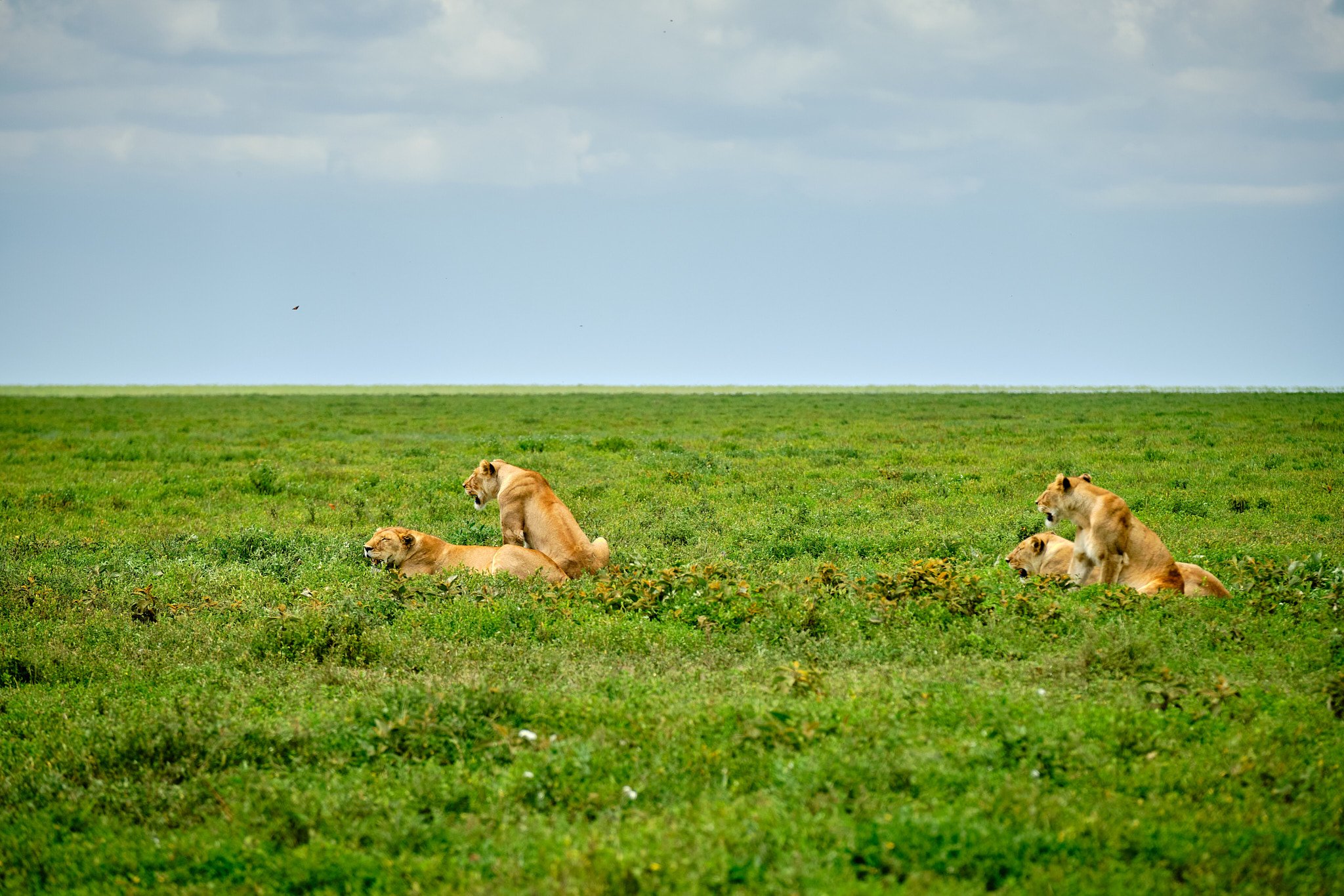
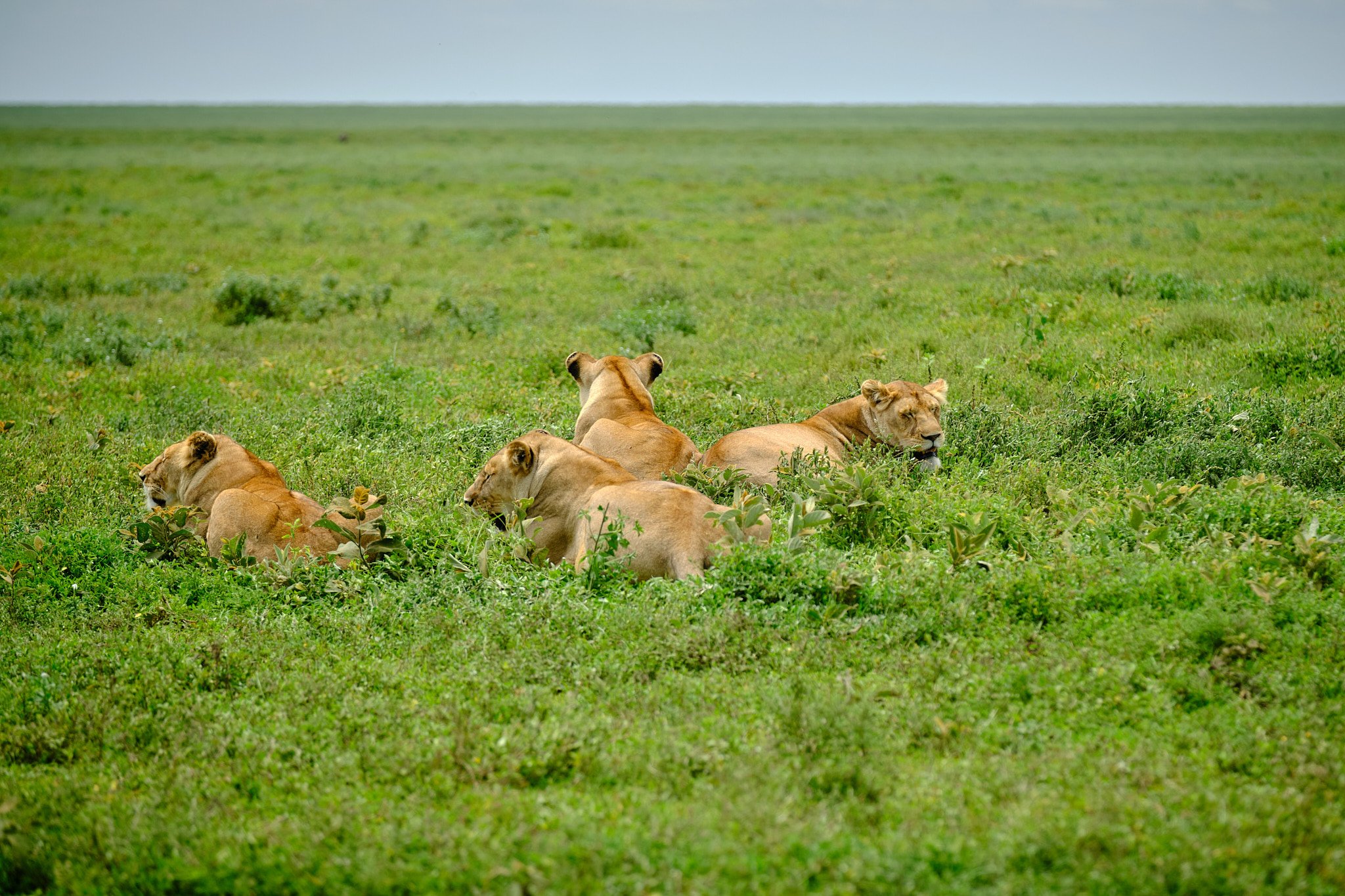
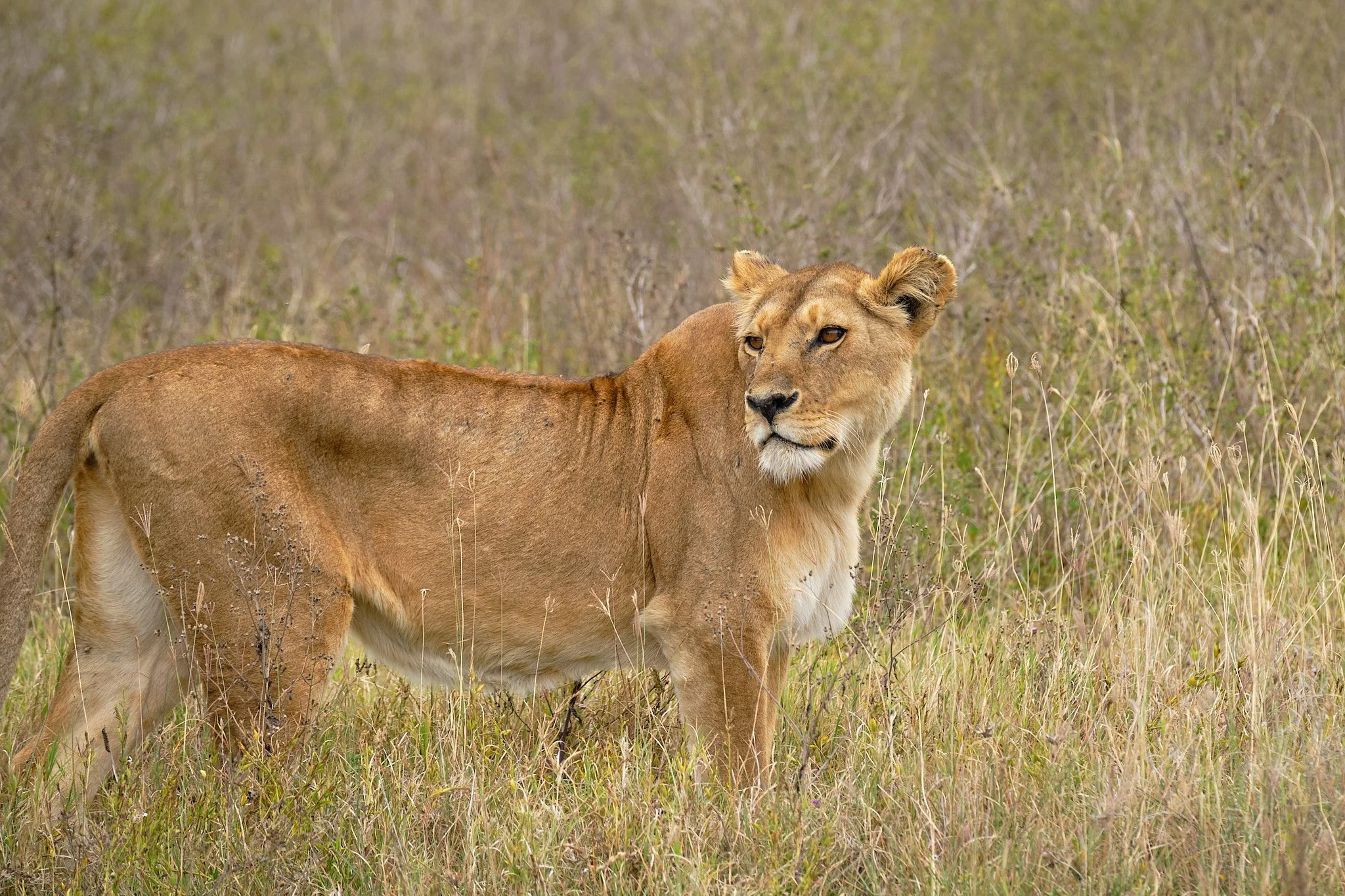
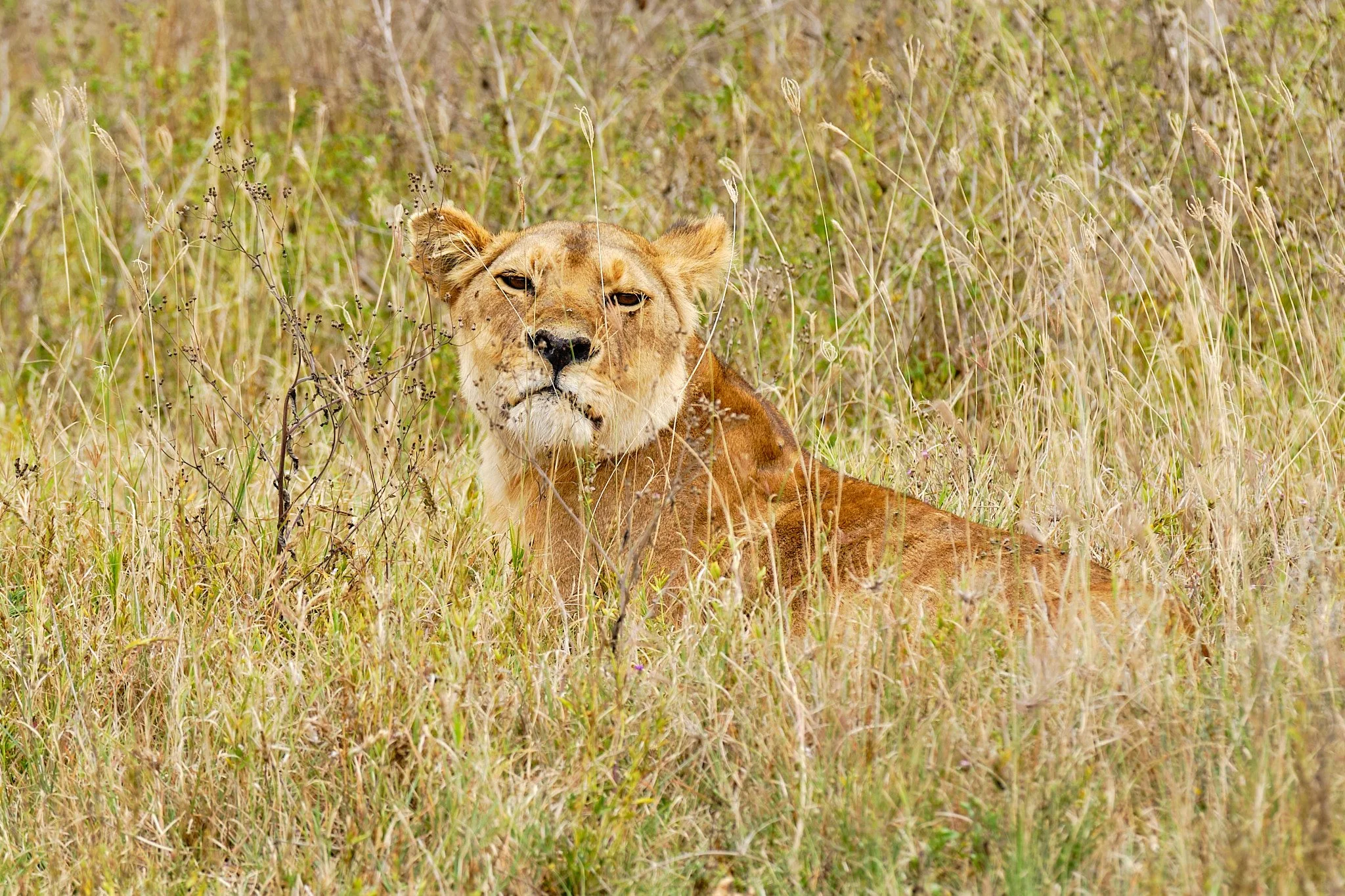
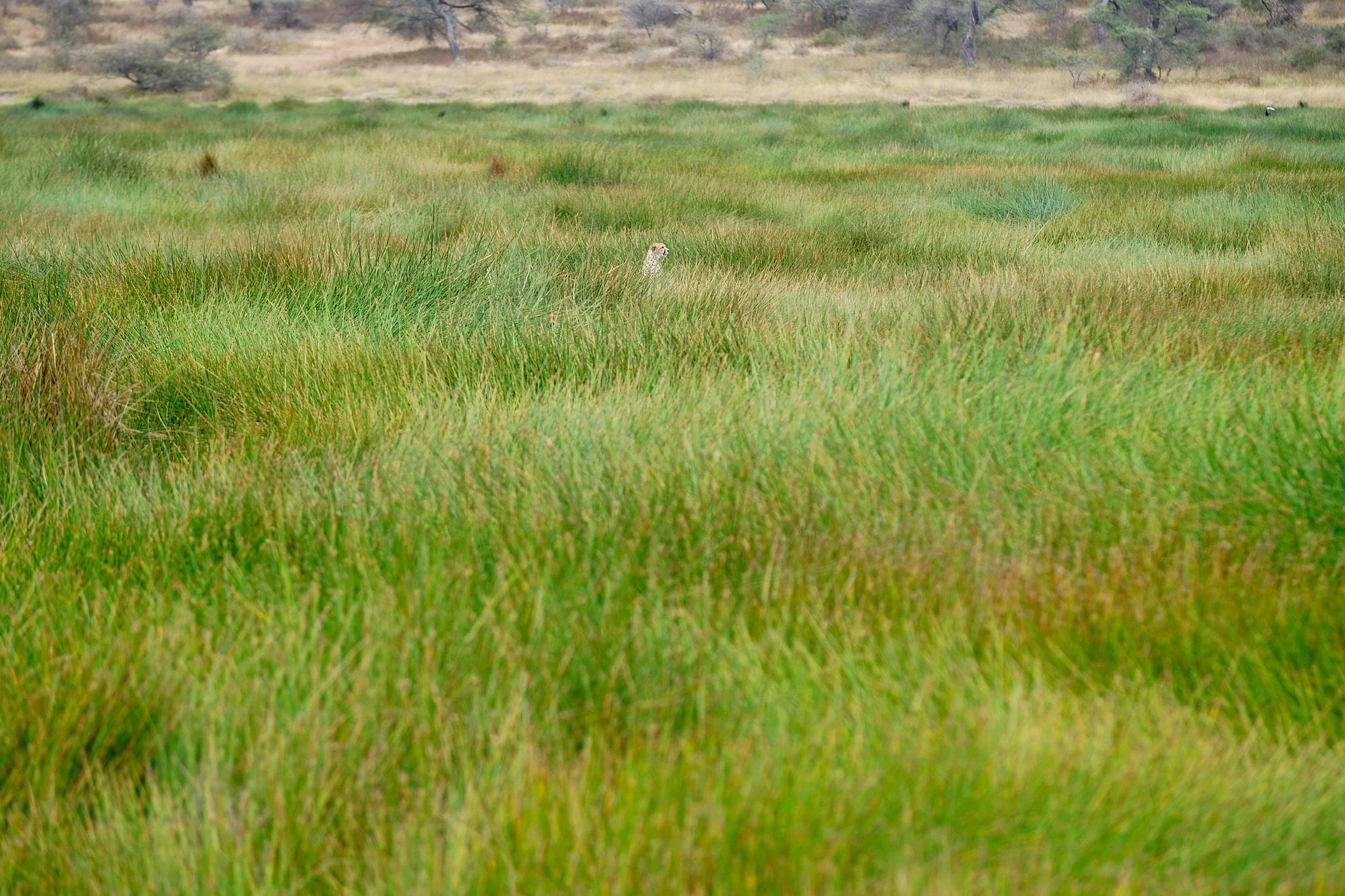
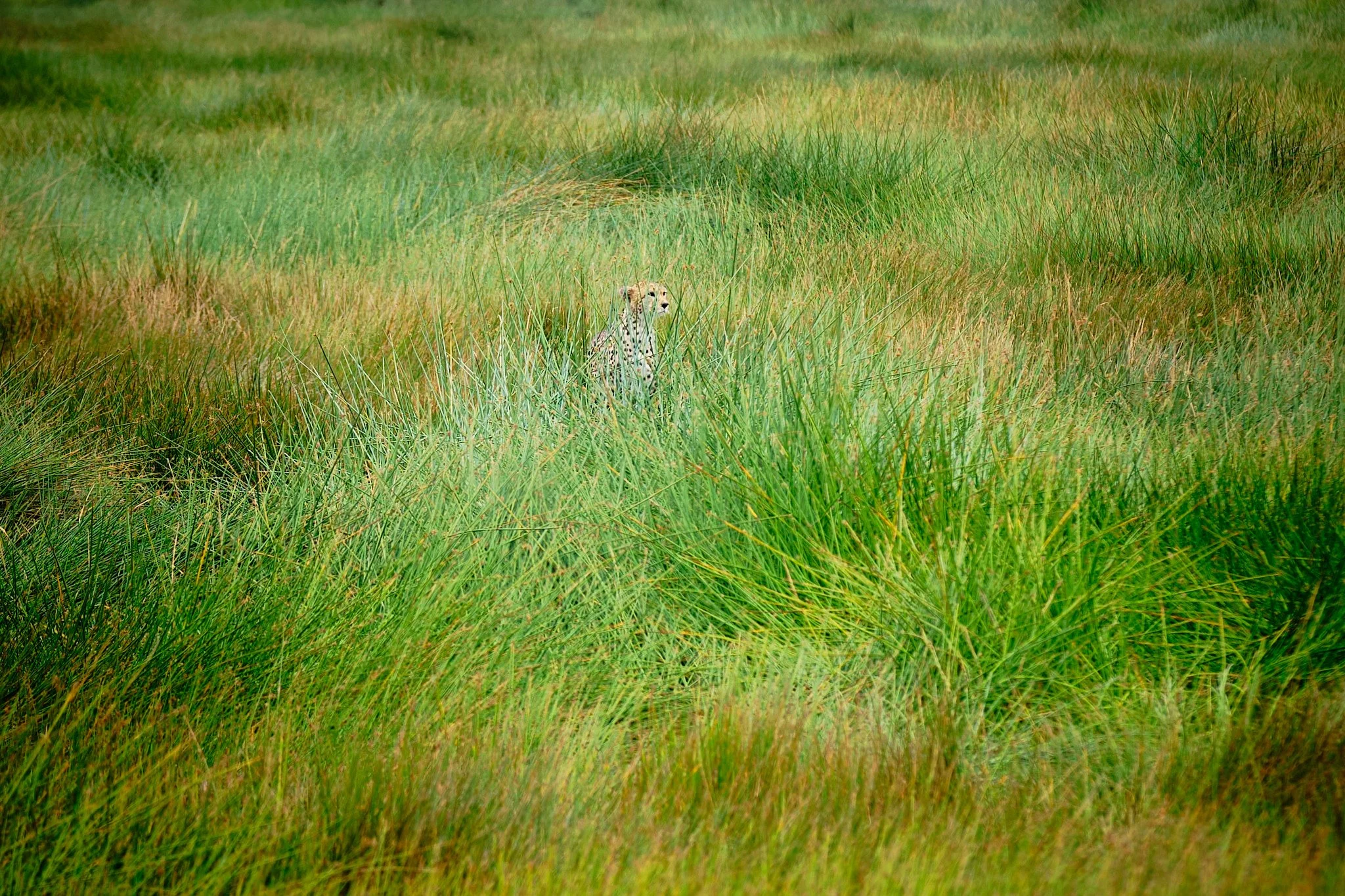
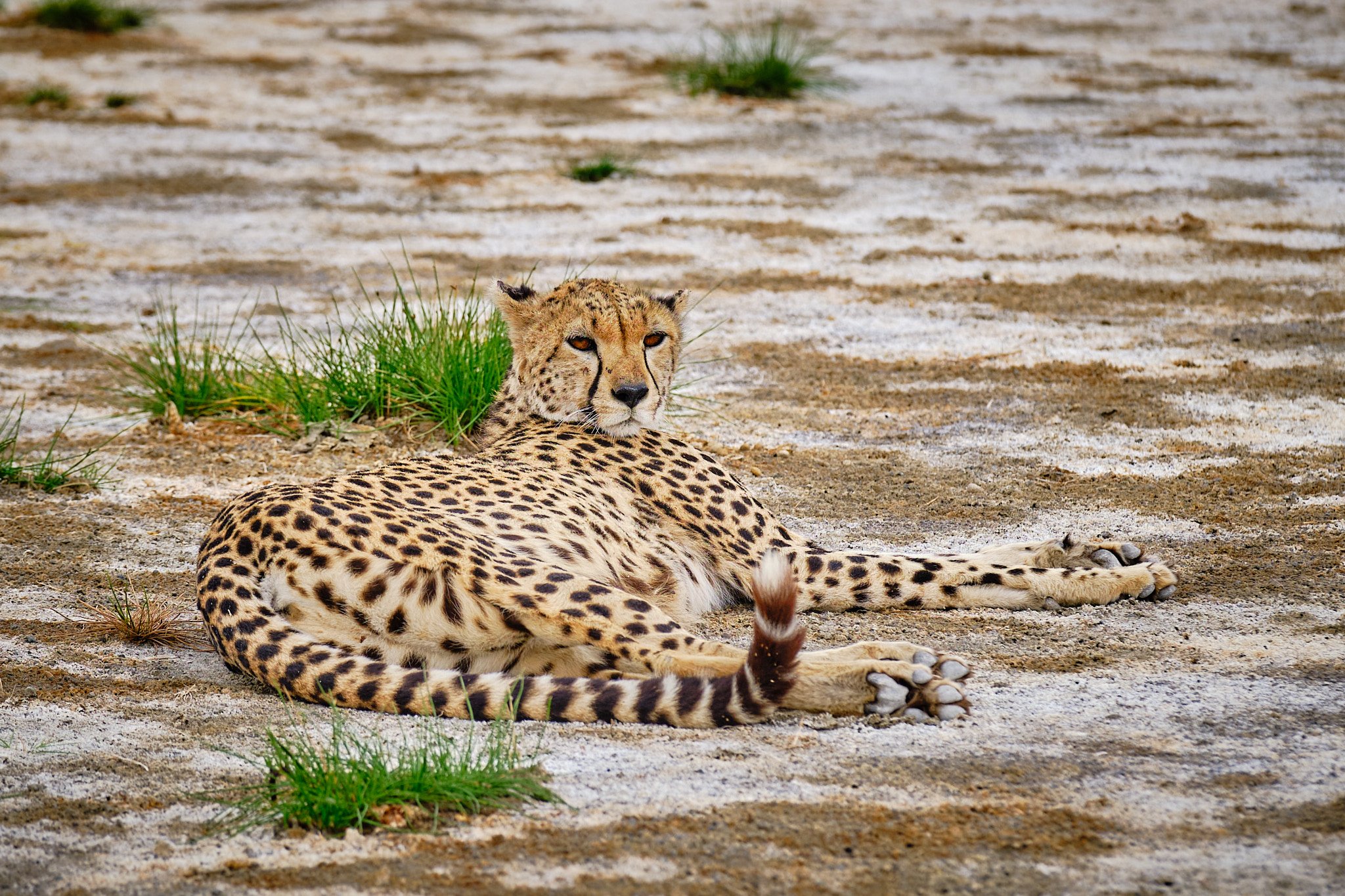
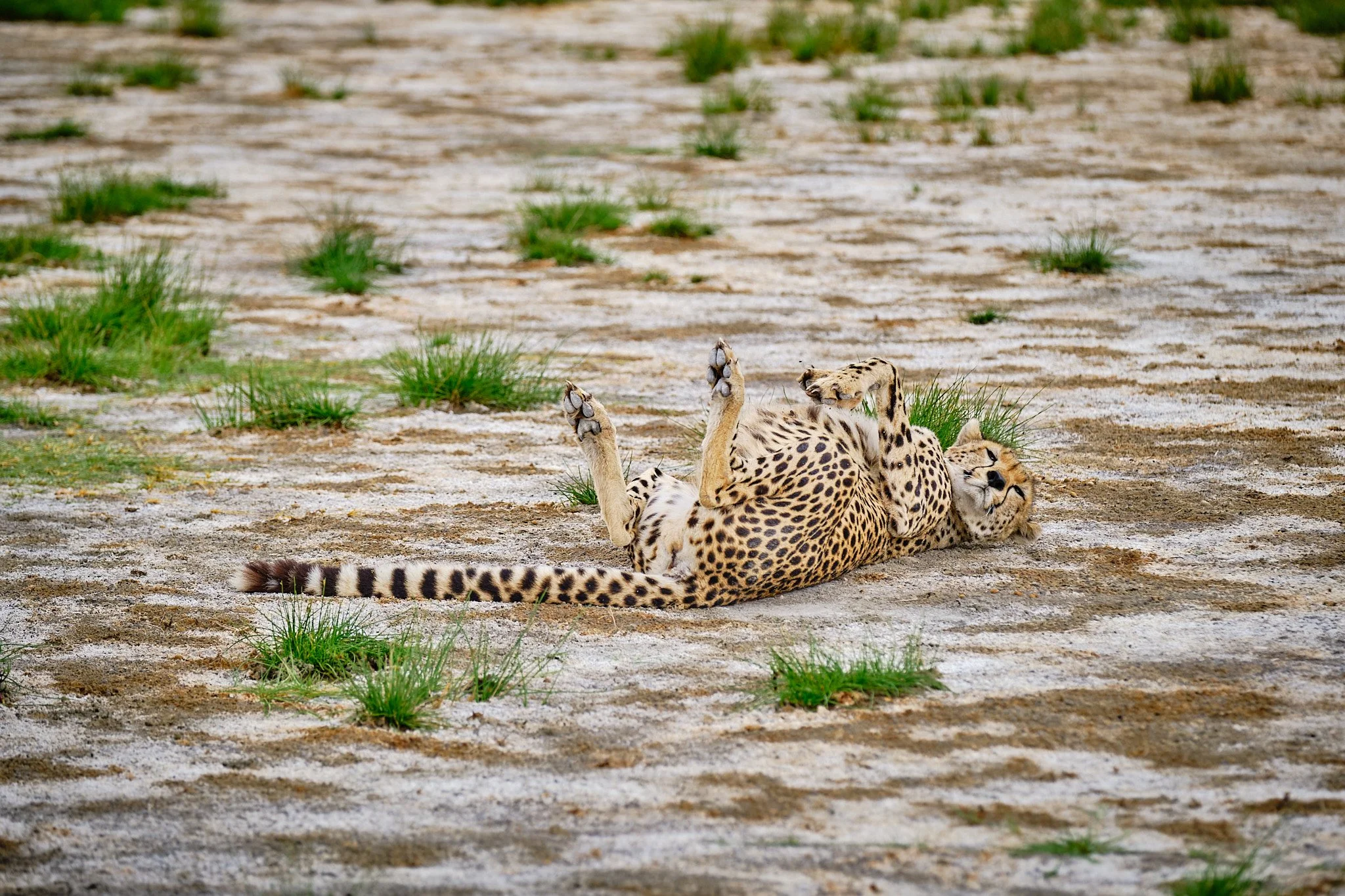
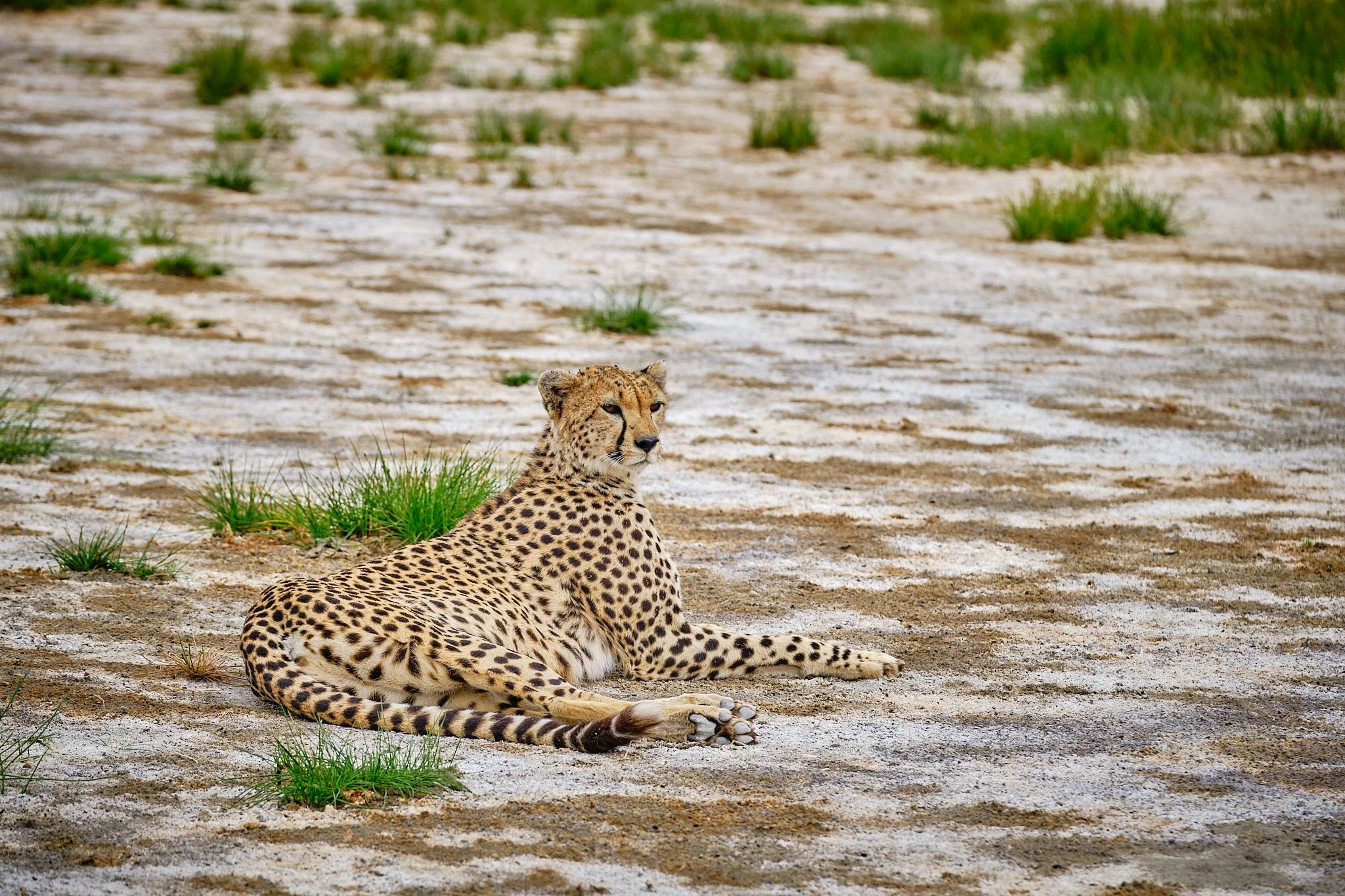
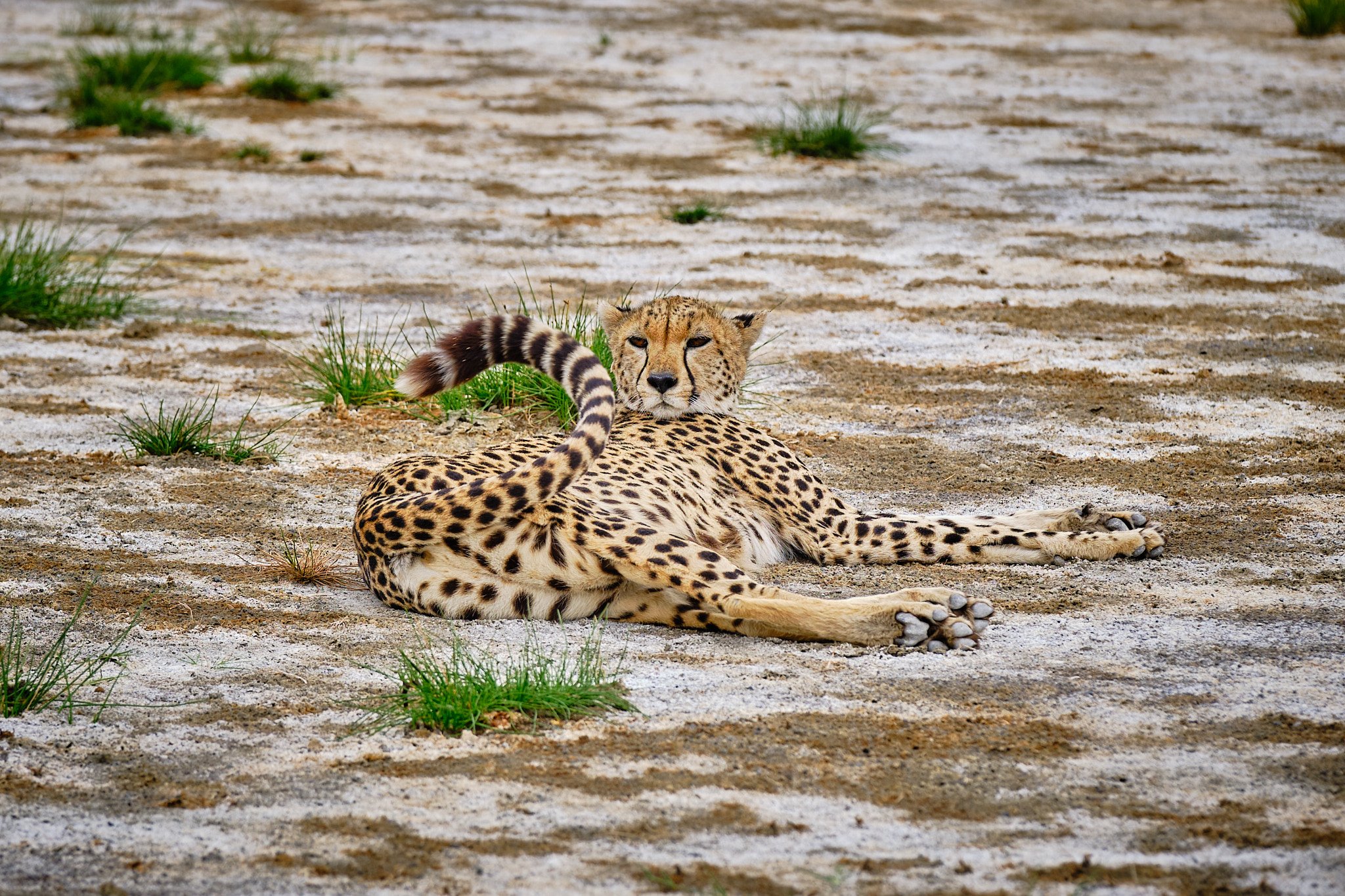
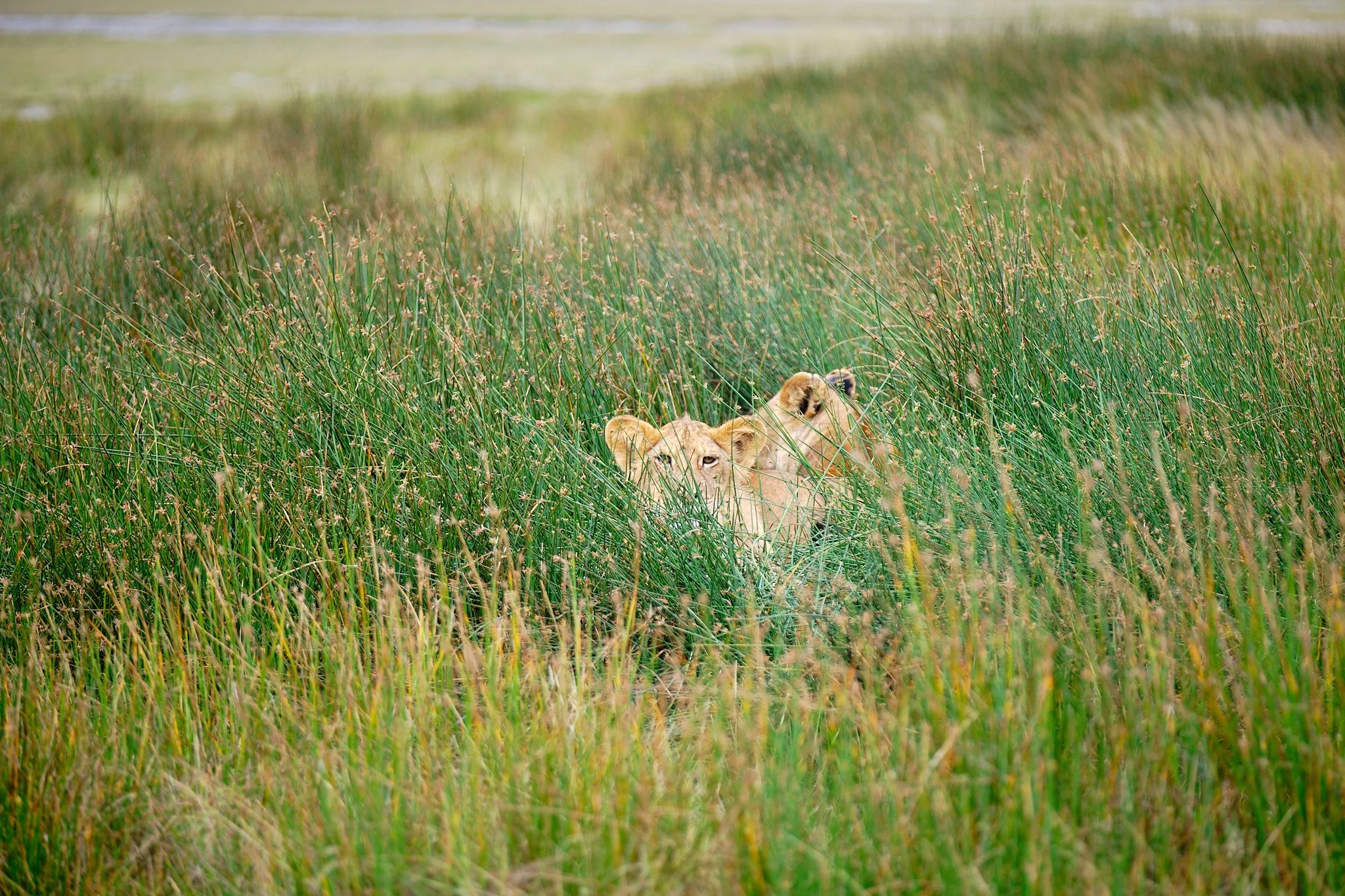
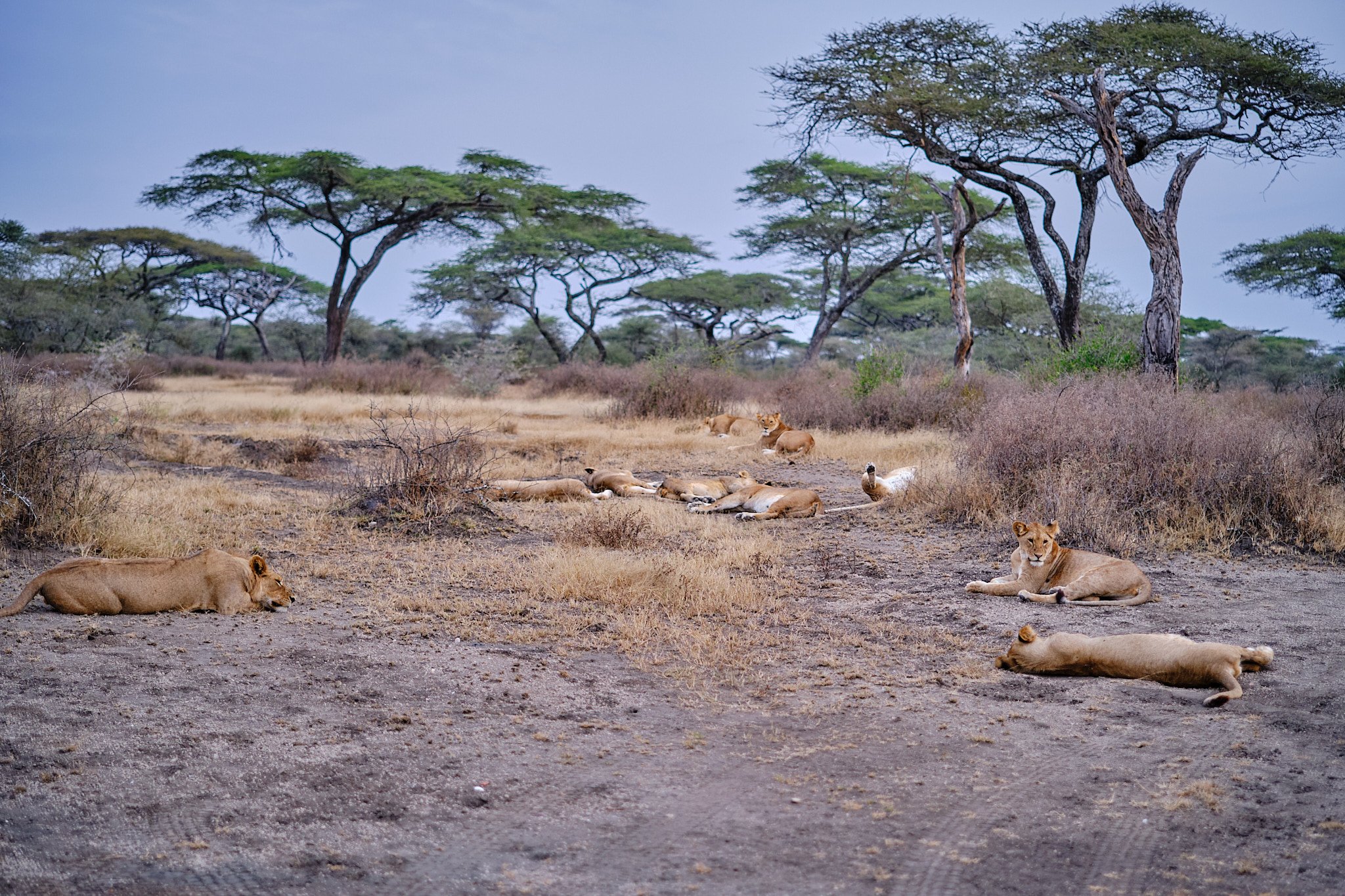
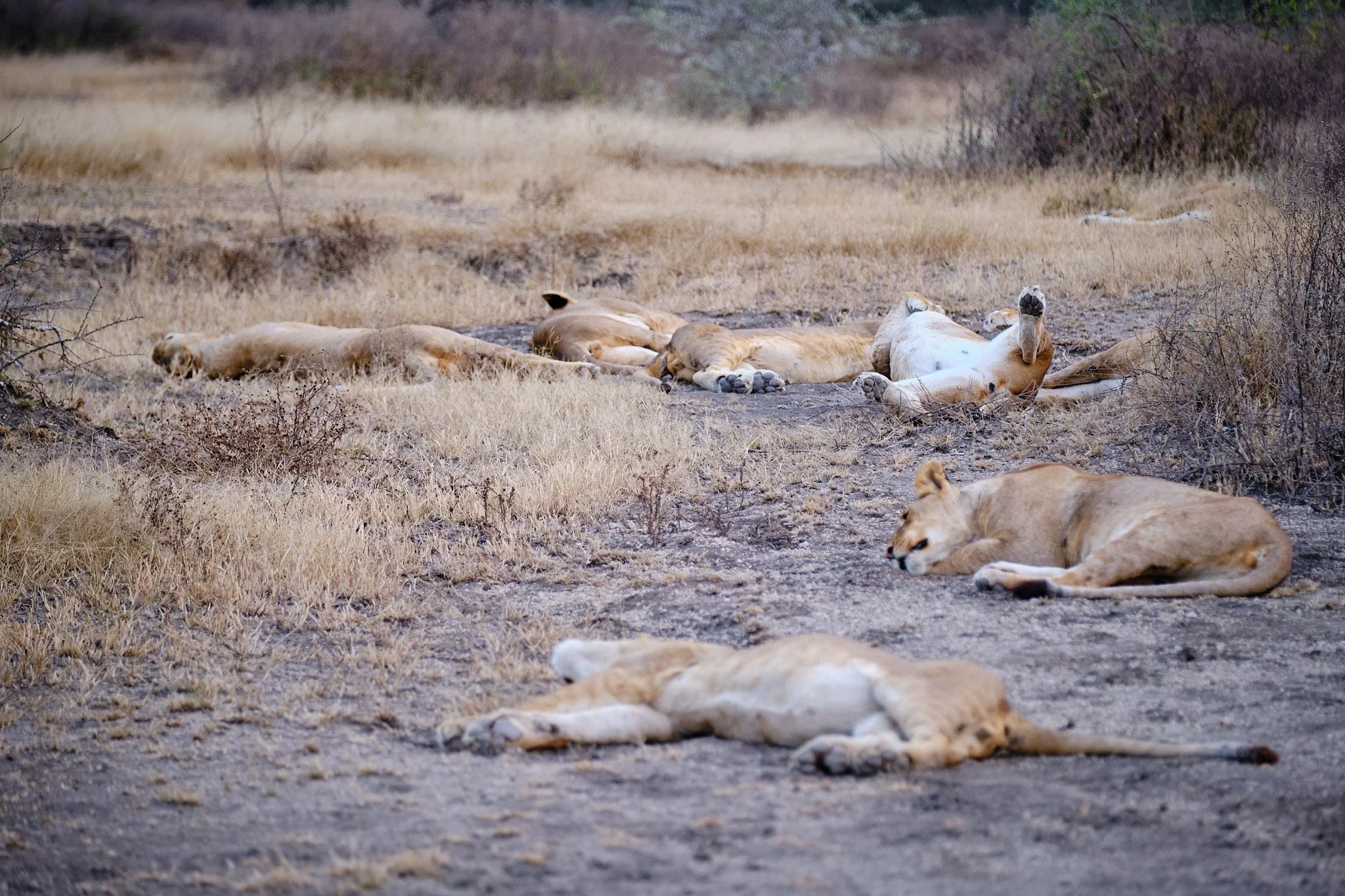
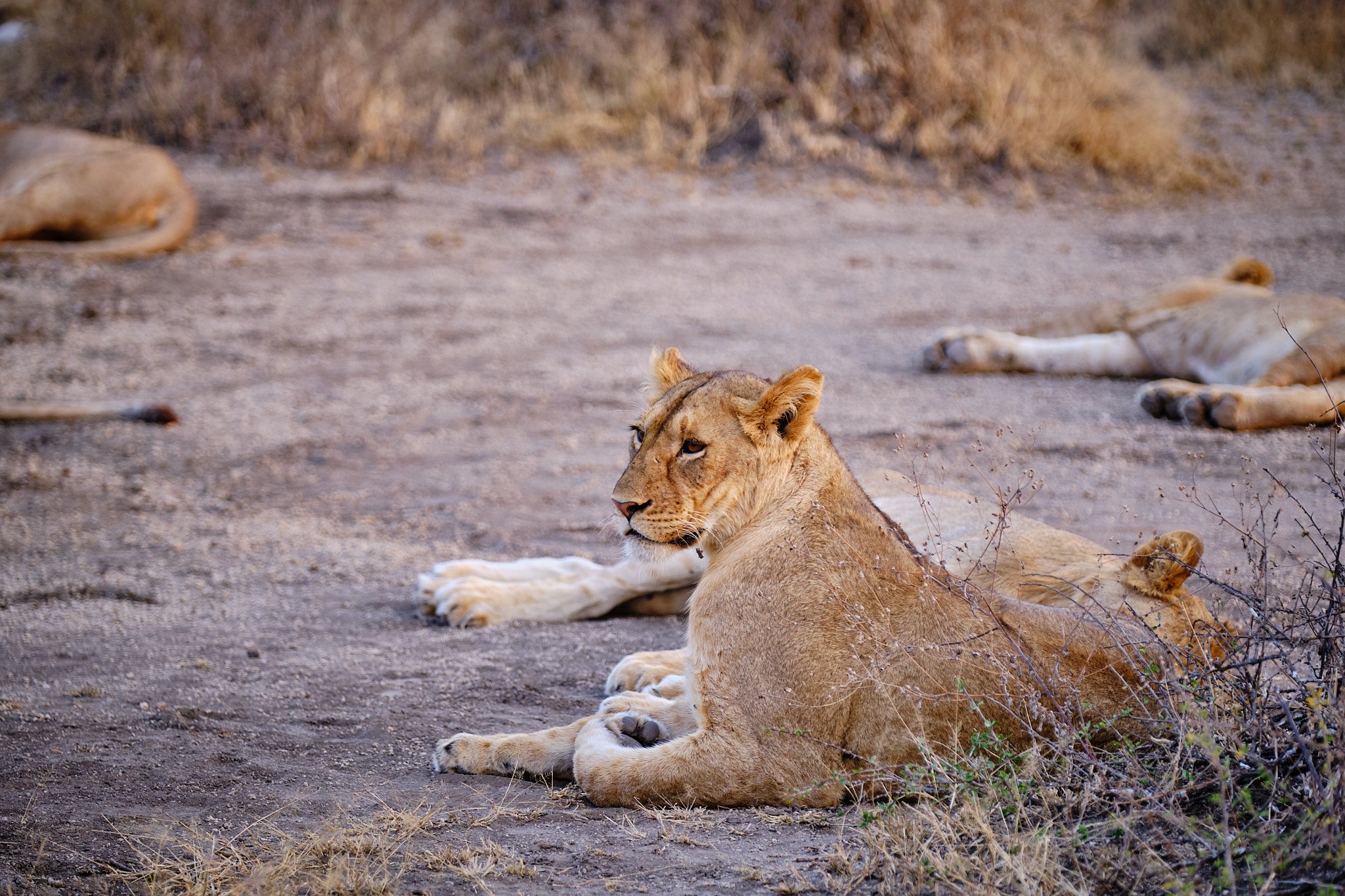
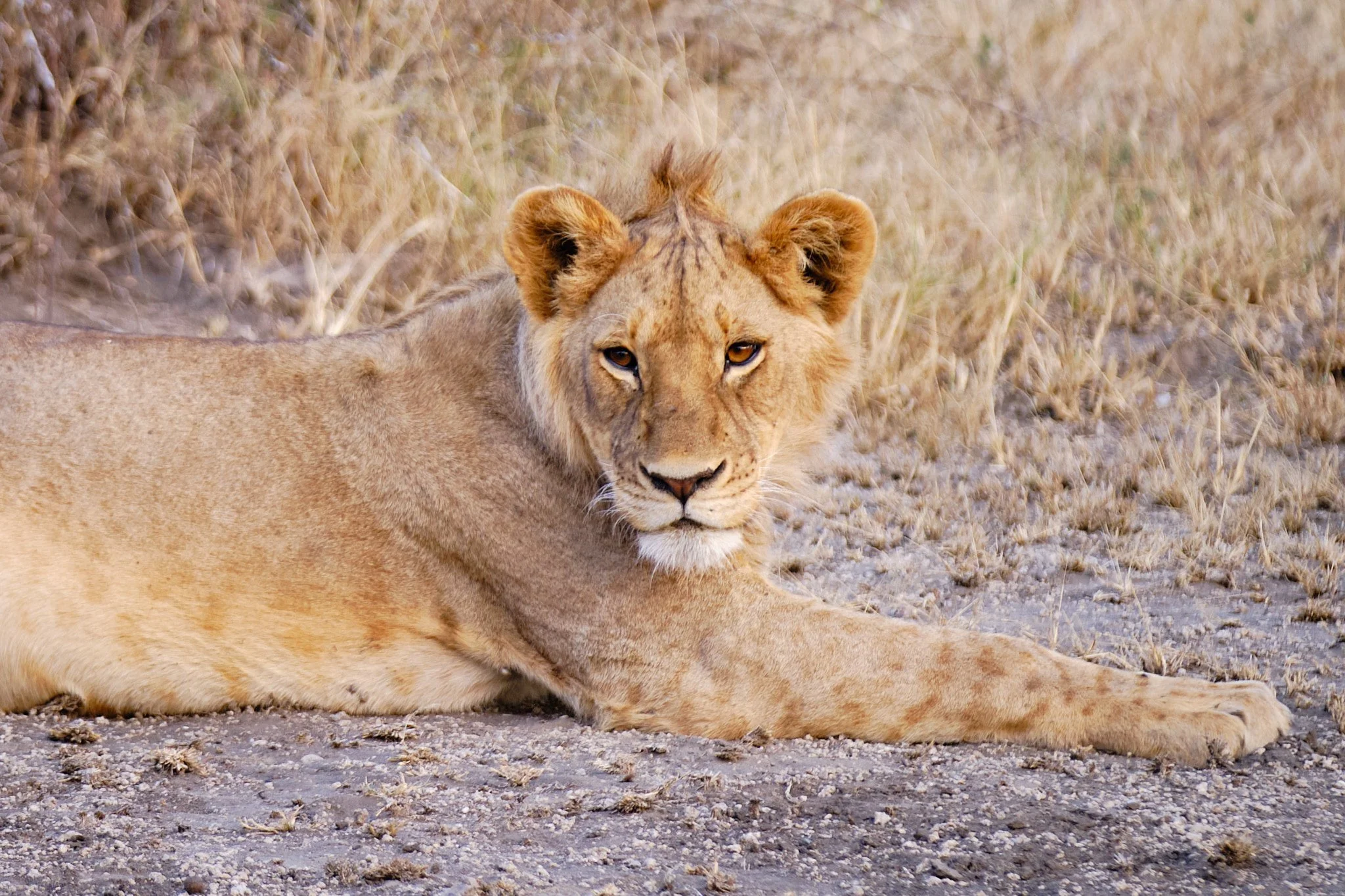
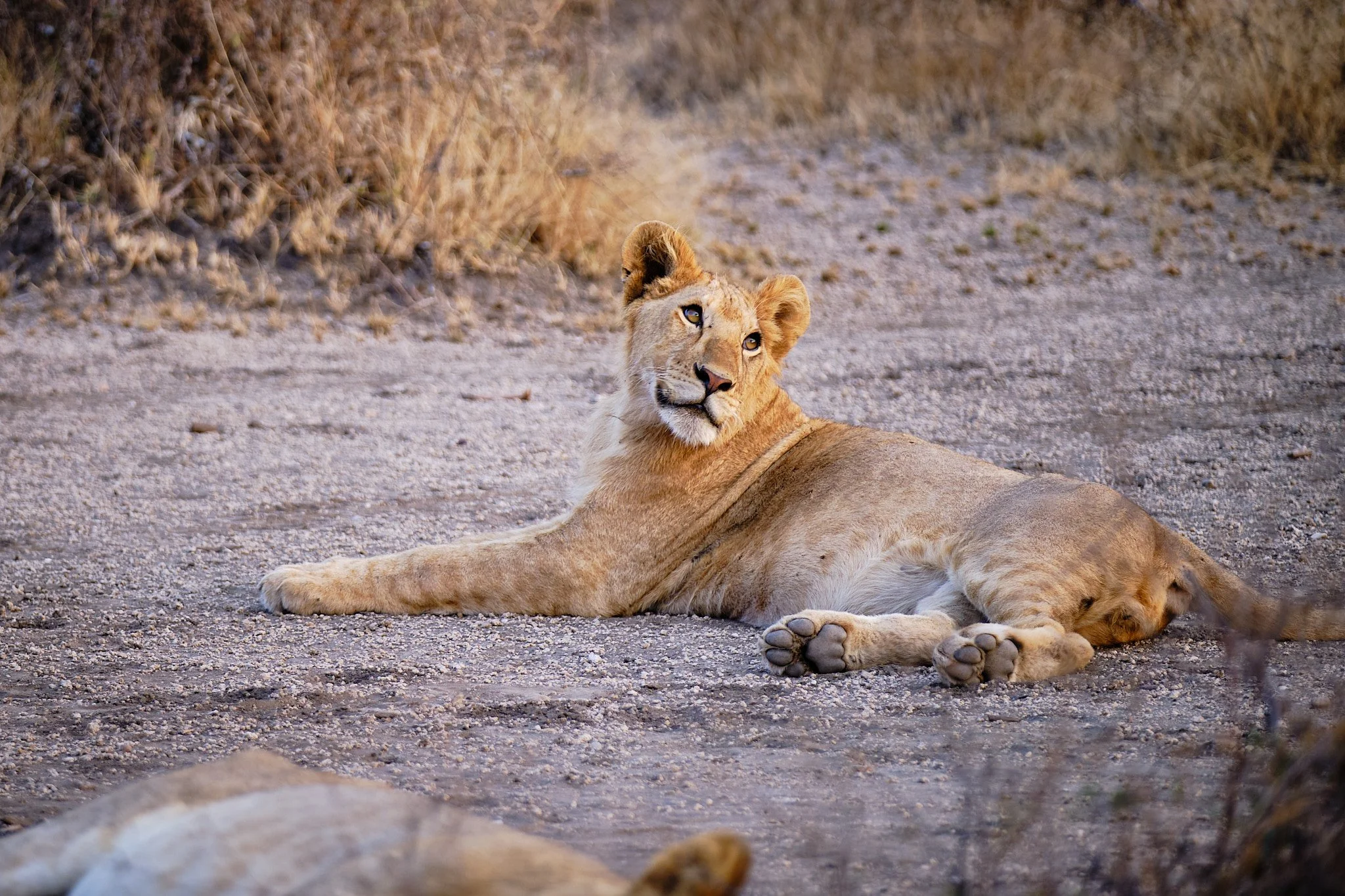
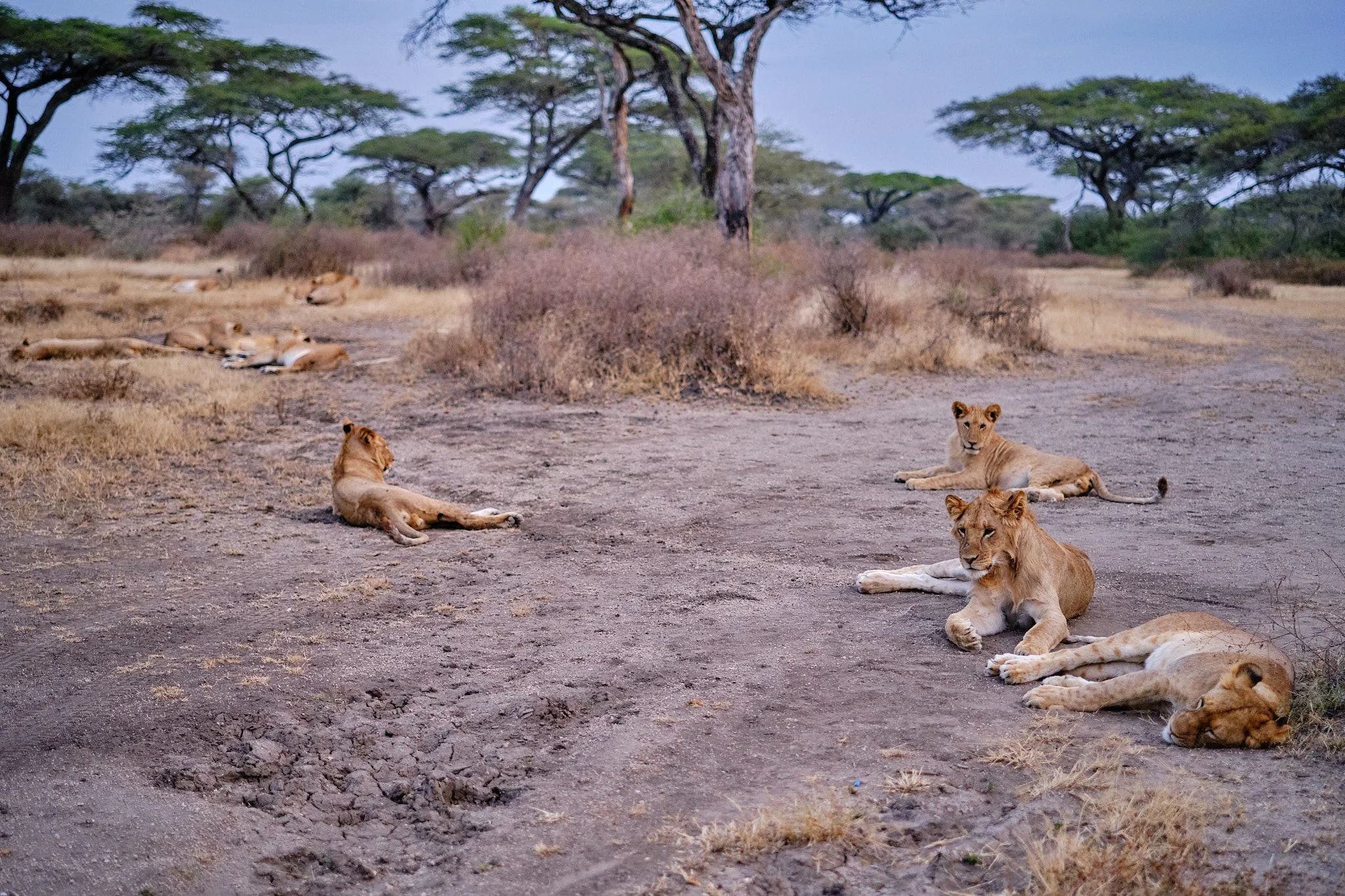
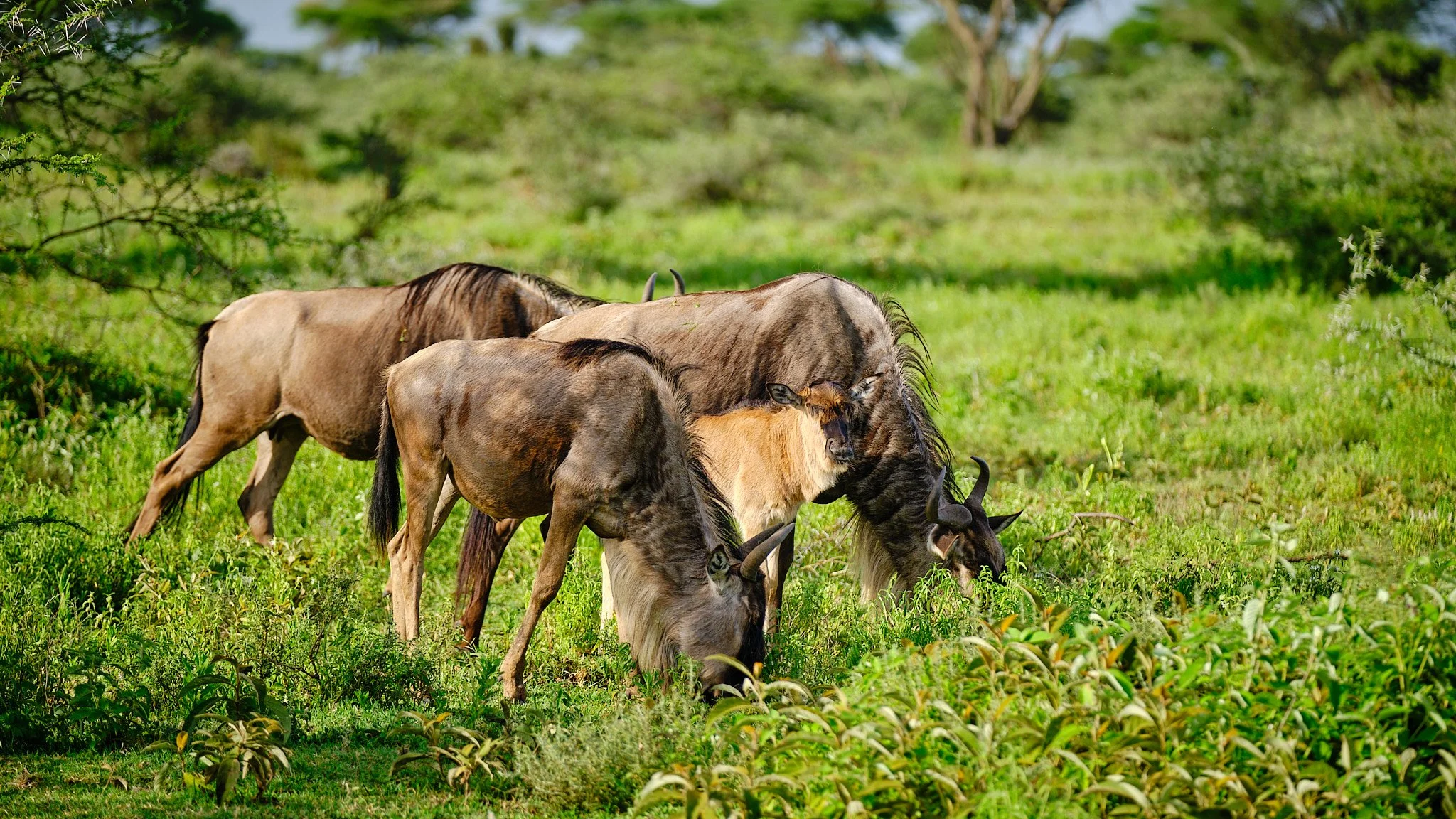
The Southern Serengeti together with the Ngorongoro Conservation Area around Ndutu and the Serengeti’s south-eastern boundary is typically where the migration concentrates from December to April, with calving peaking in late January and February. This seasonal abundance attracts predators. But even when the herds move on, resident wildlife remains strong, with regular sightings of lions and cheetahs.
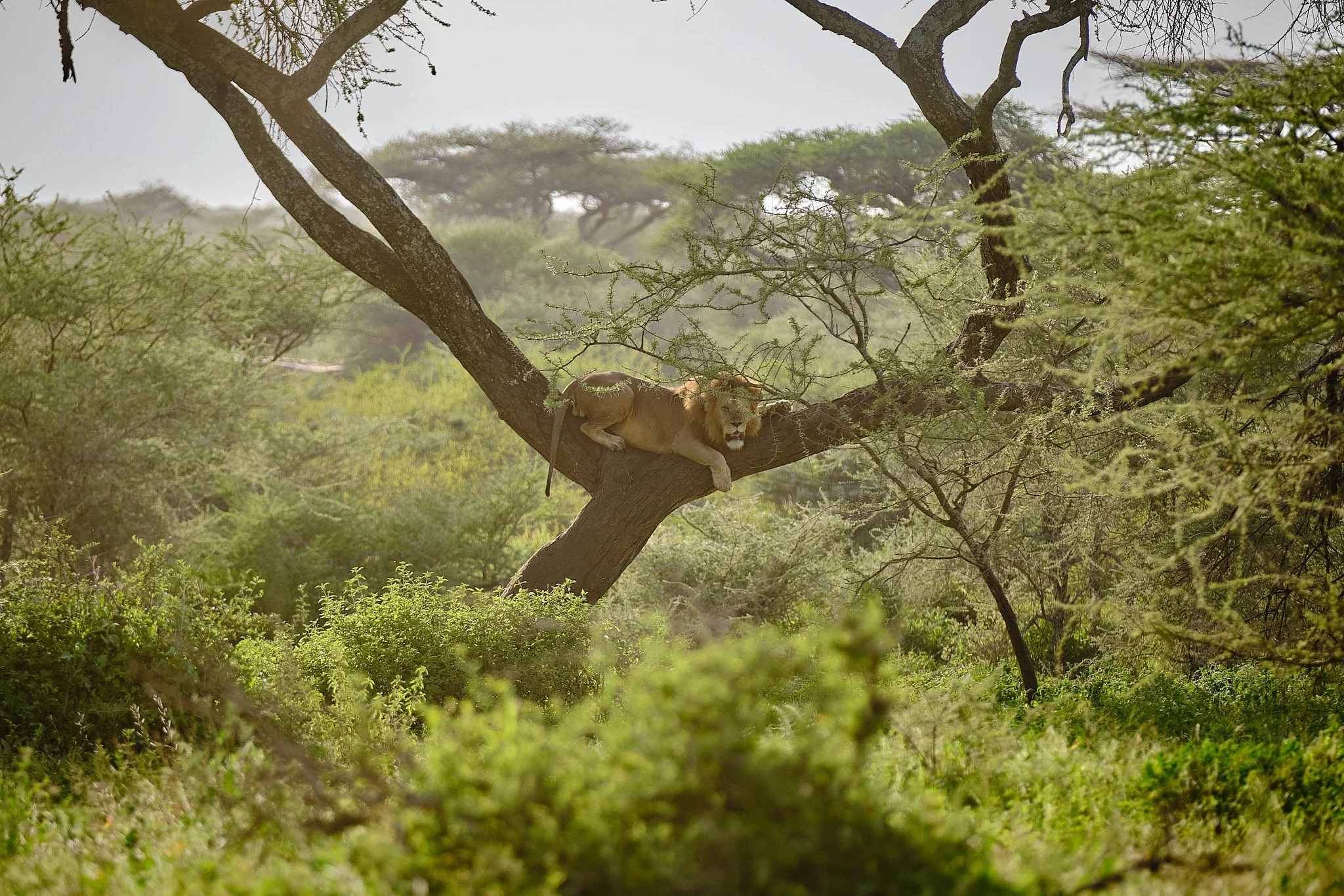
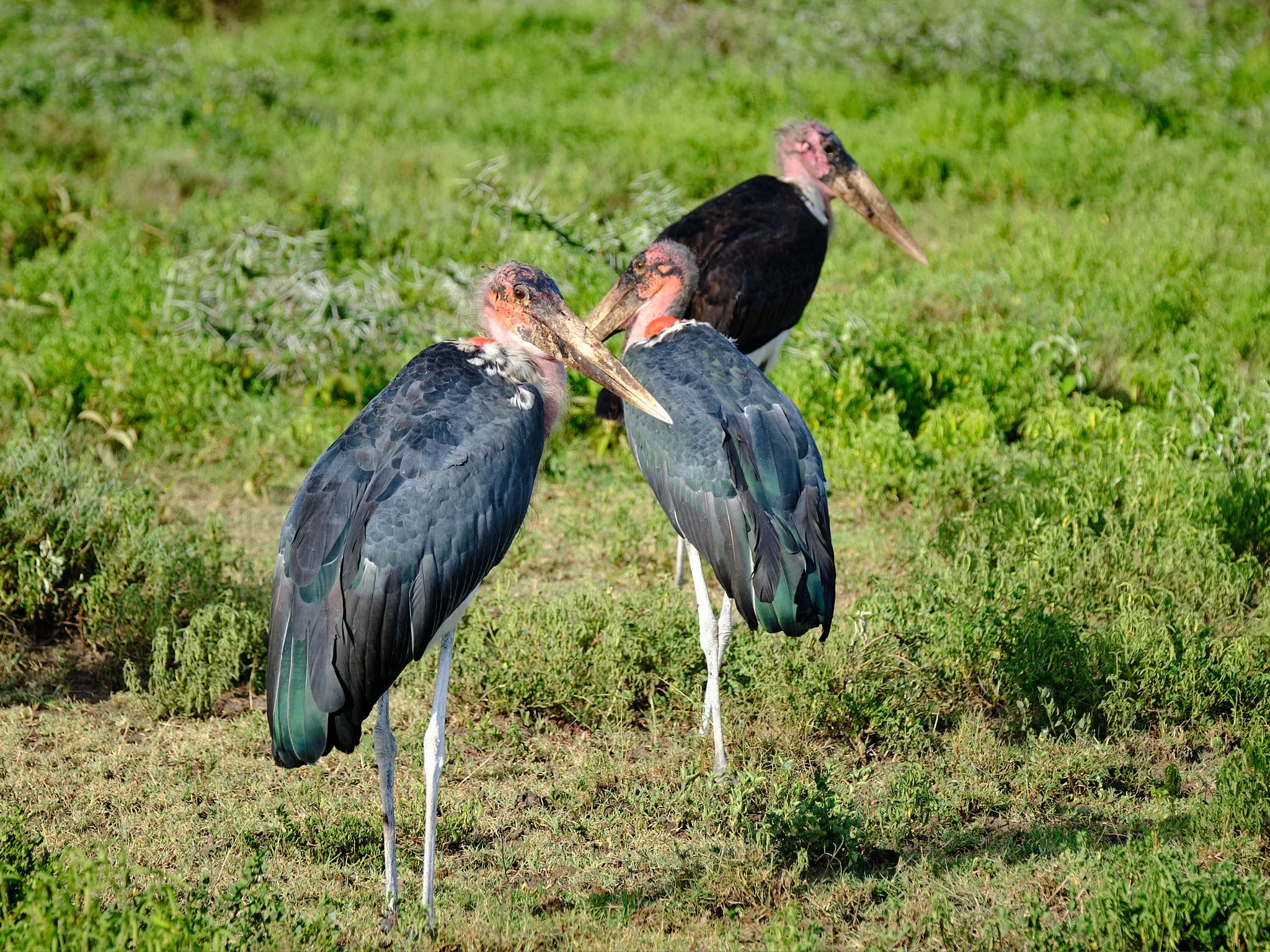
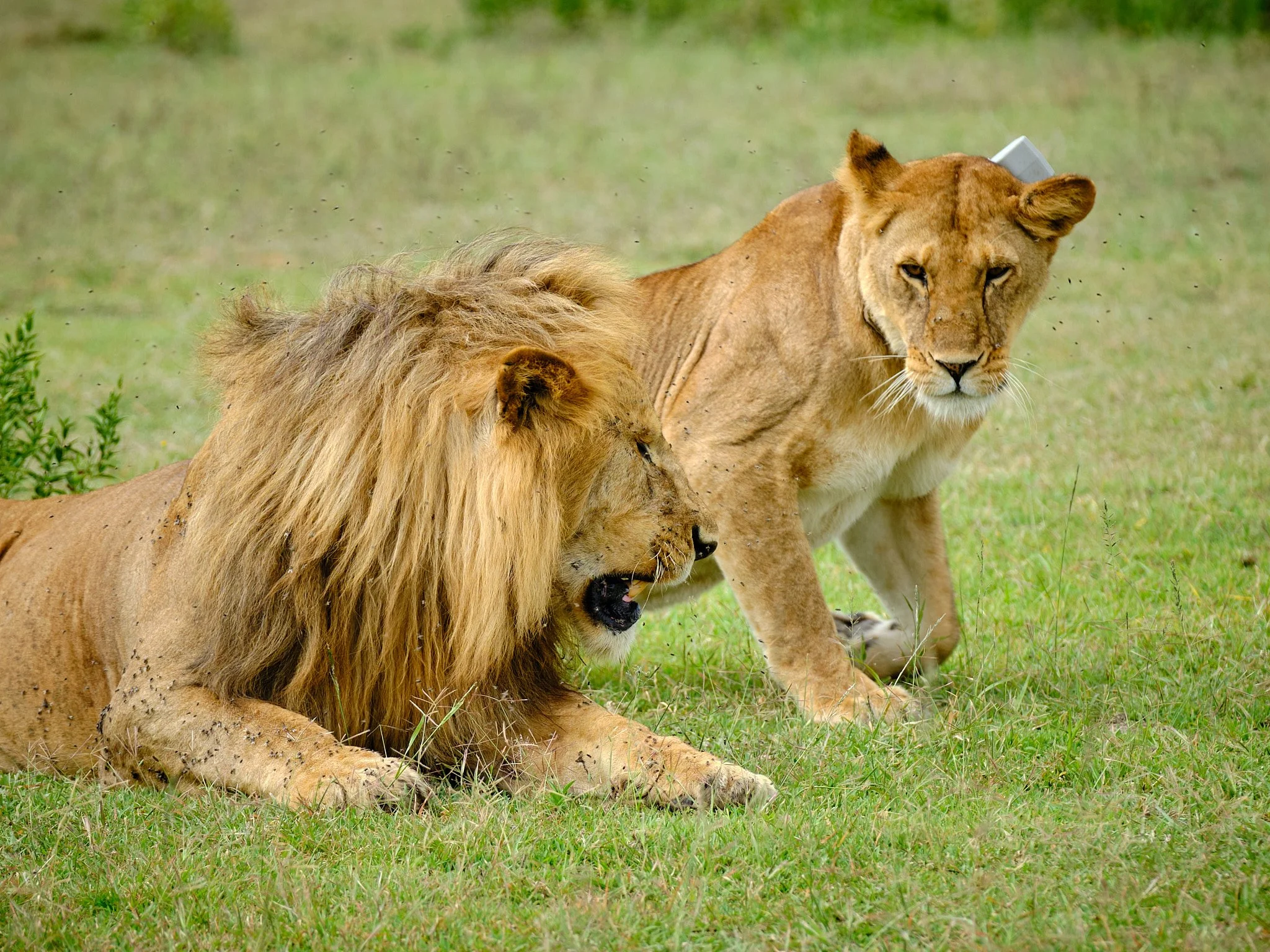
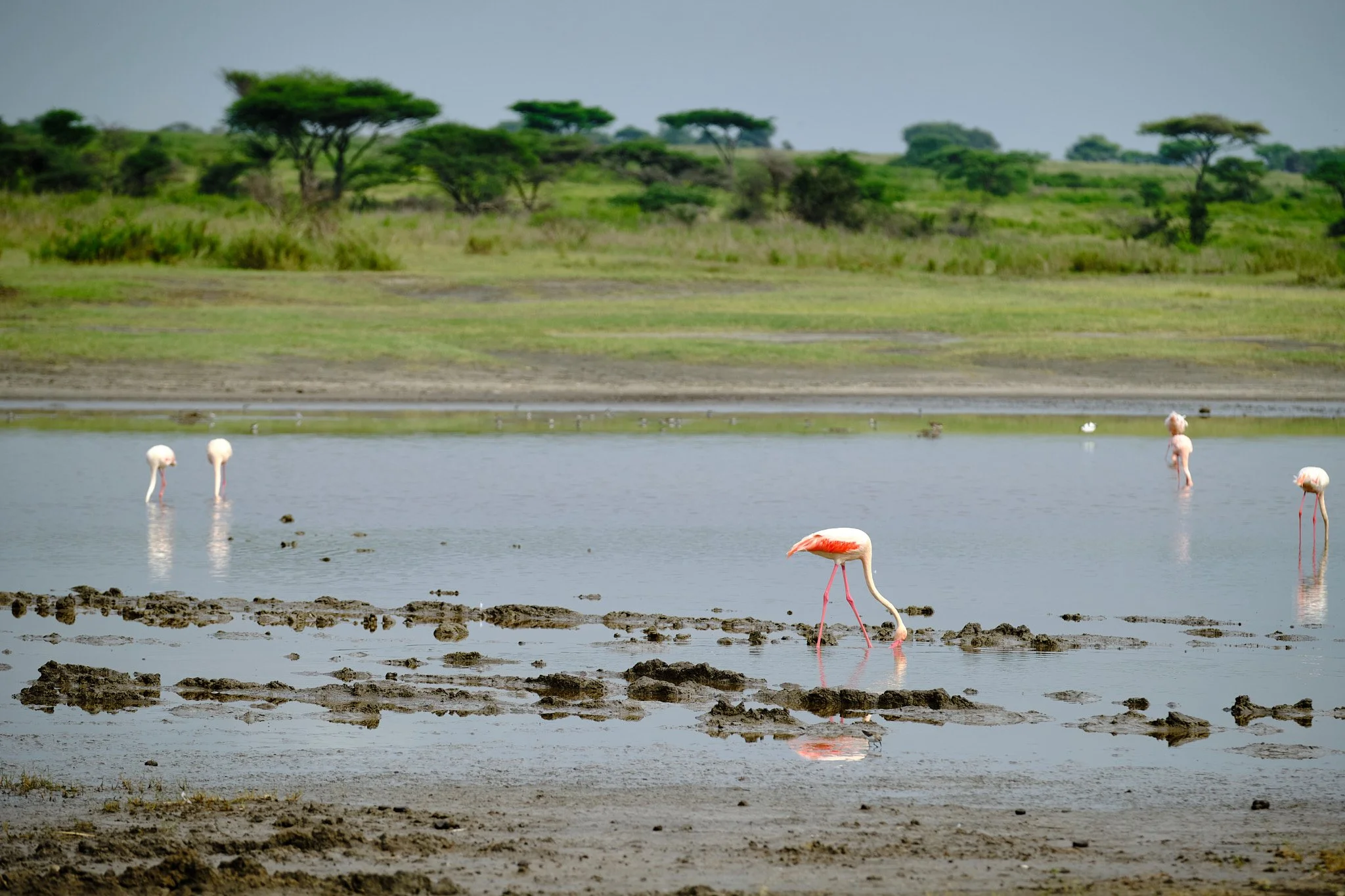
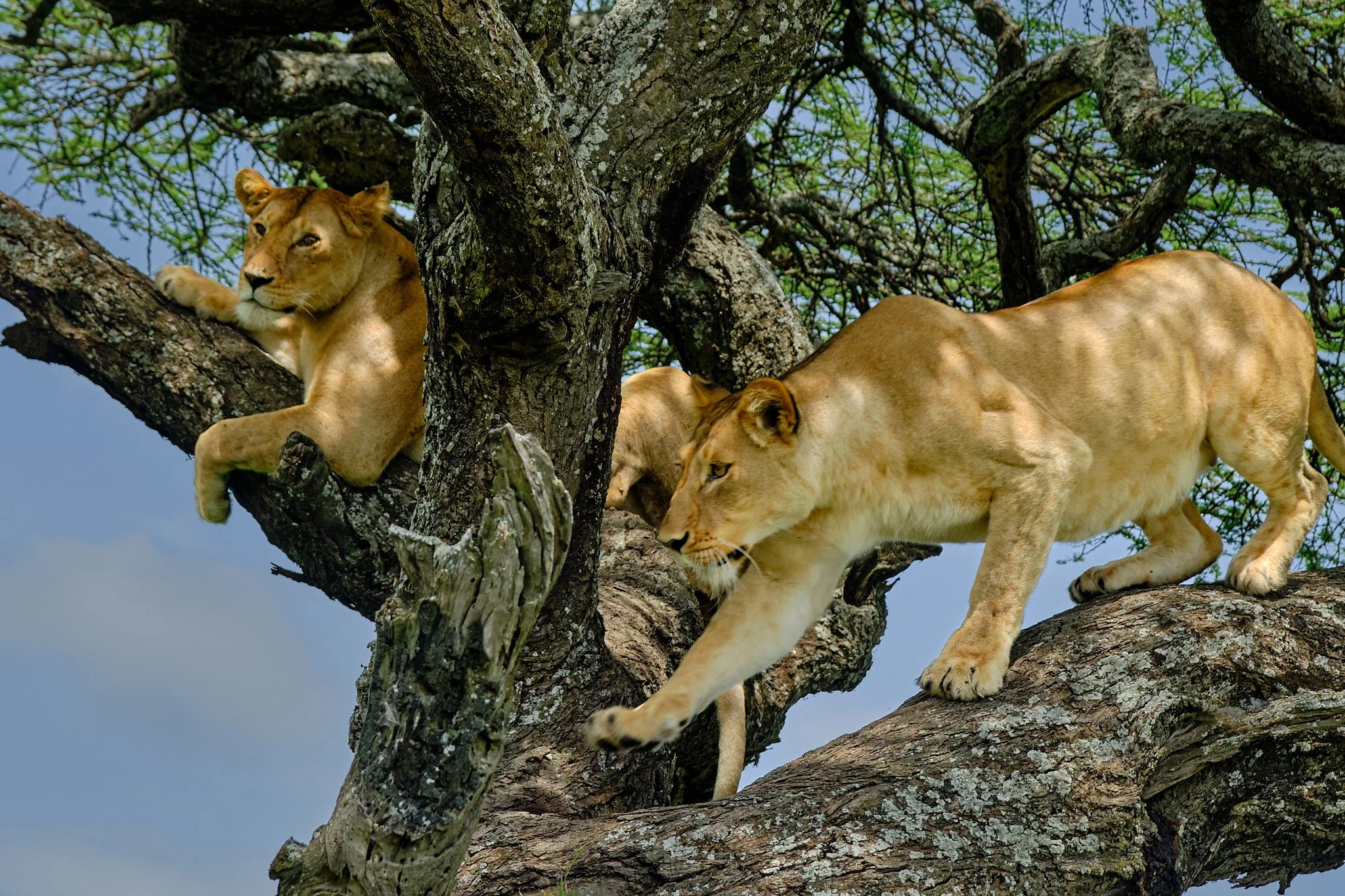
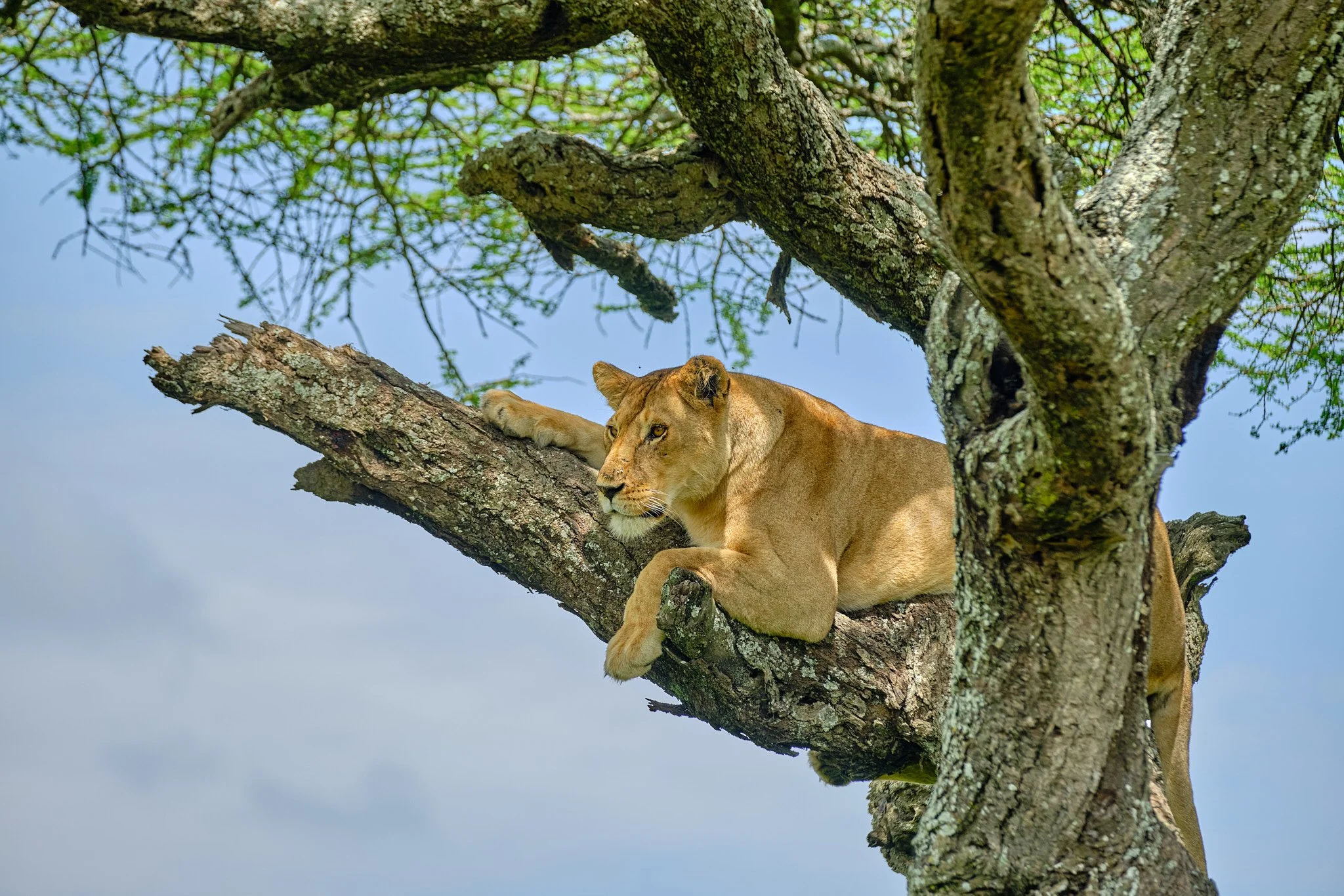
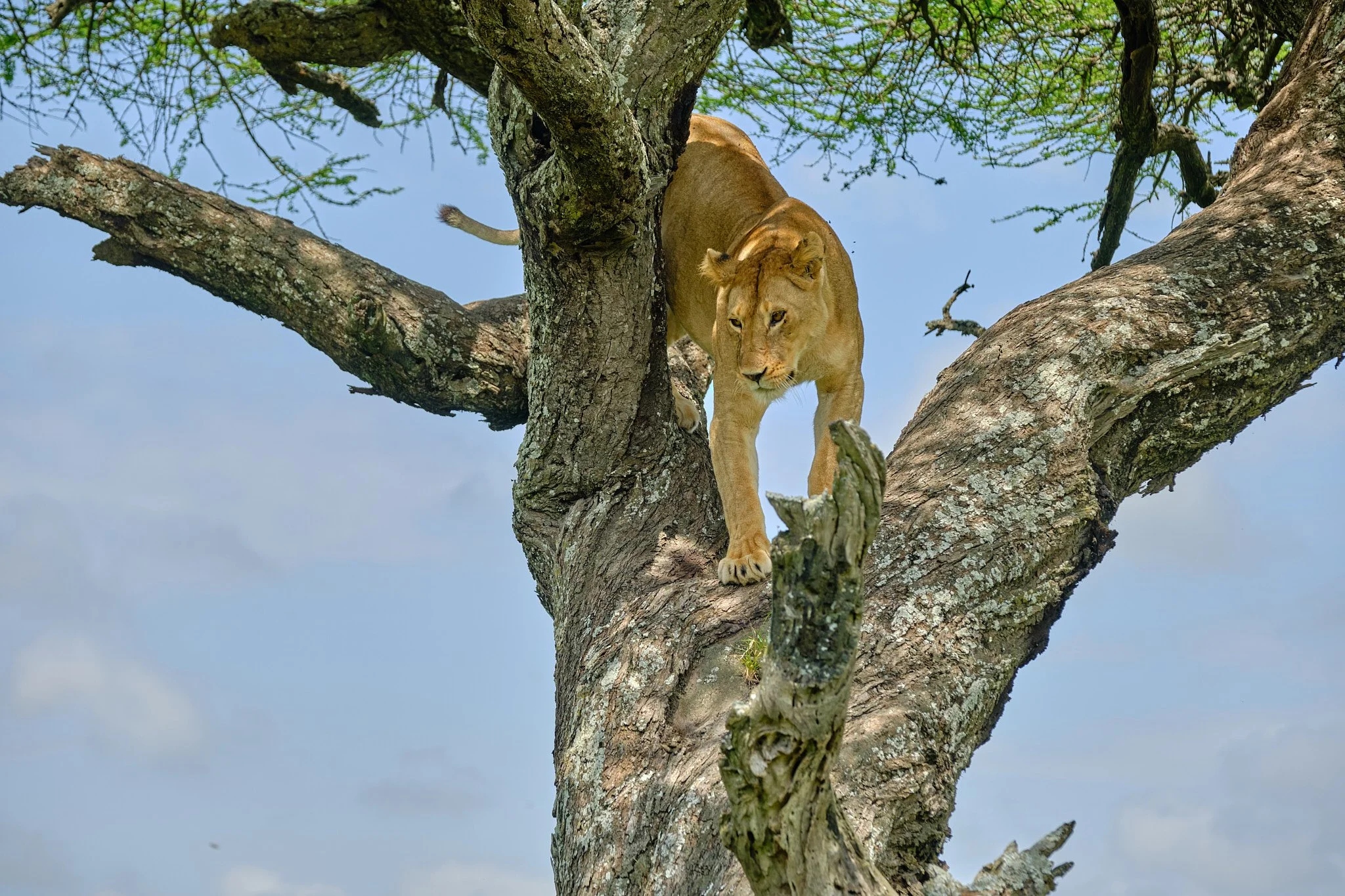
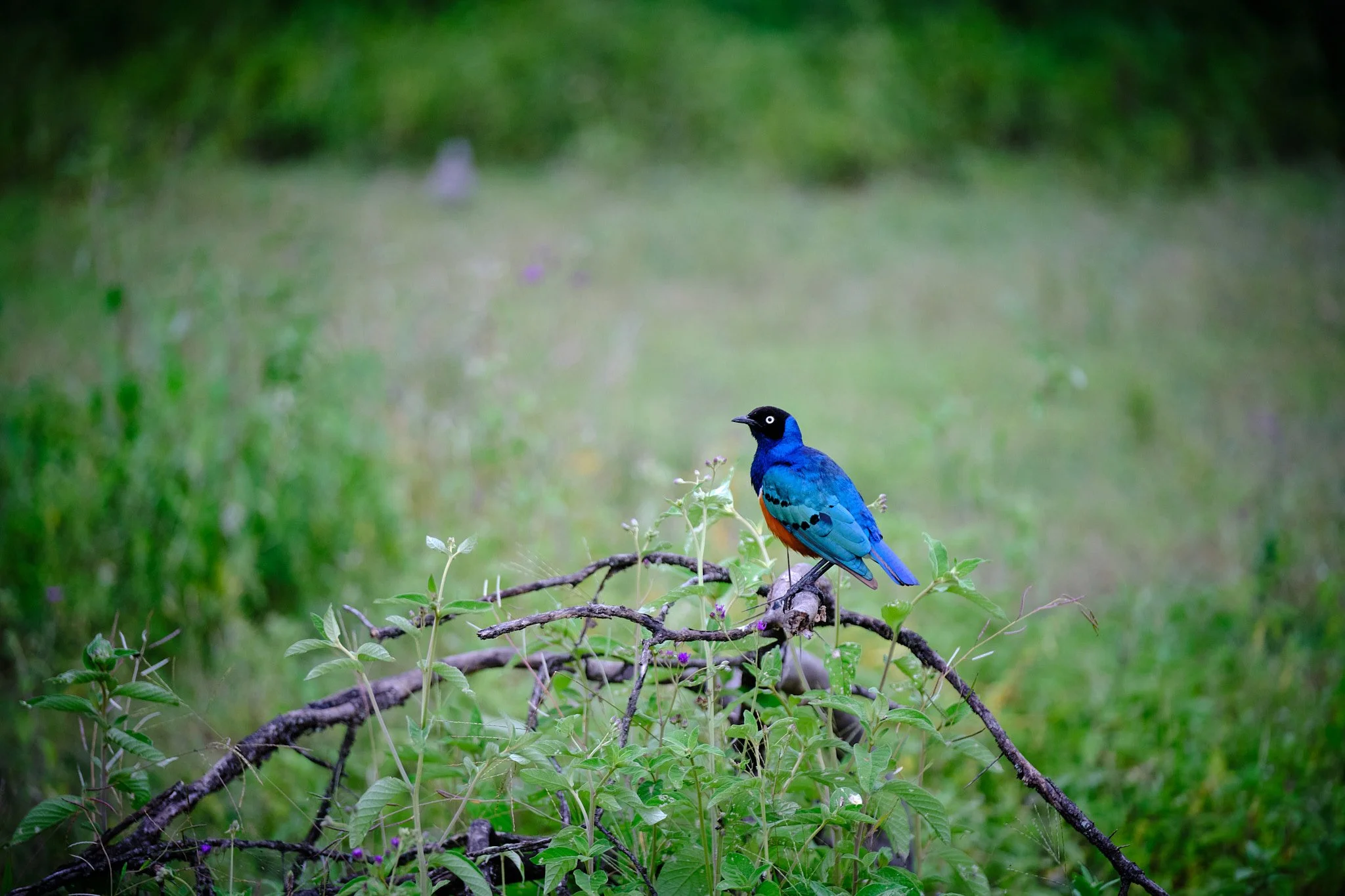
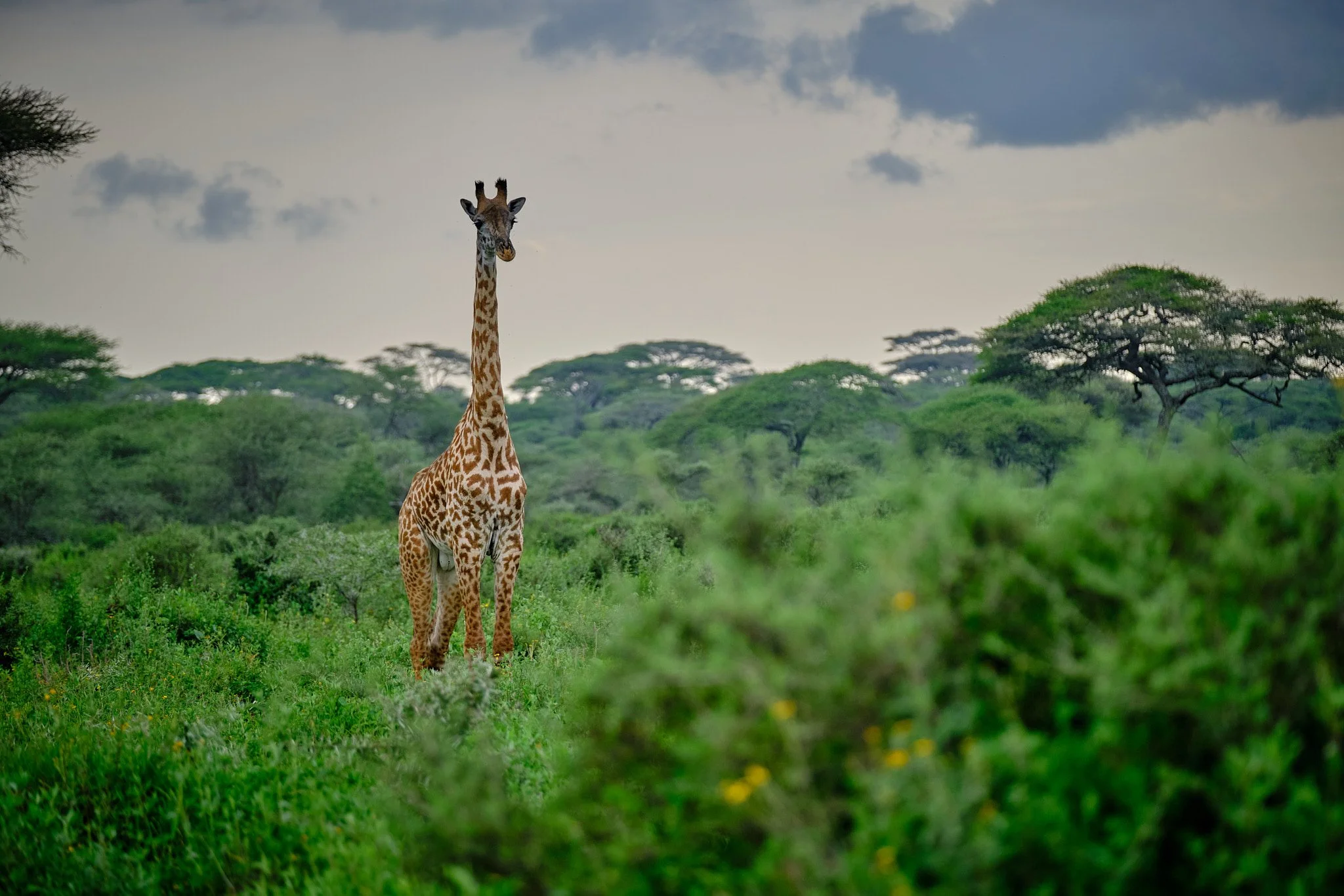
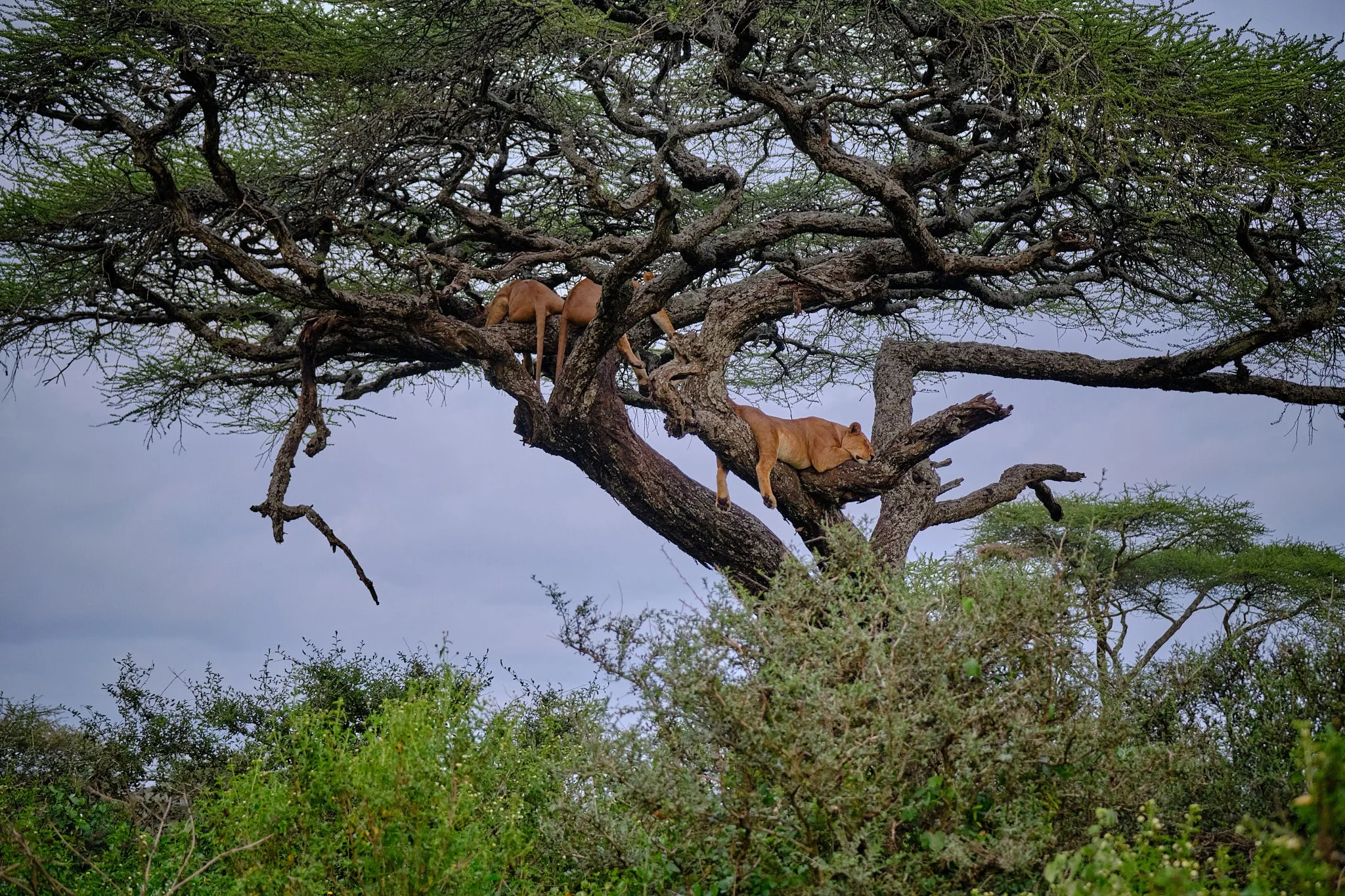
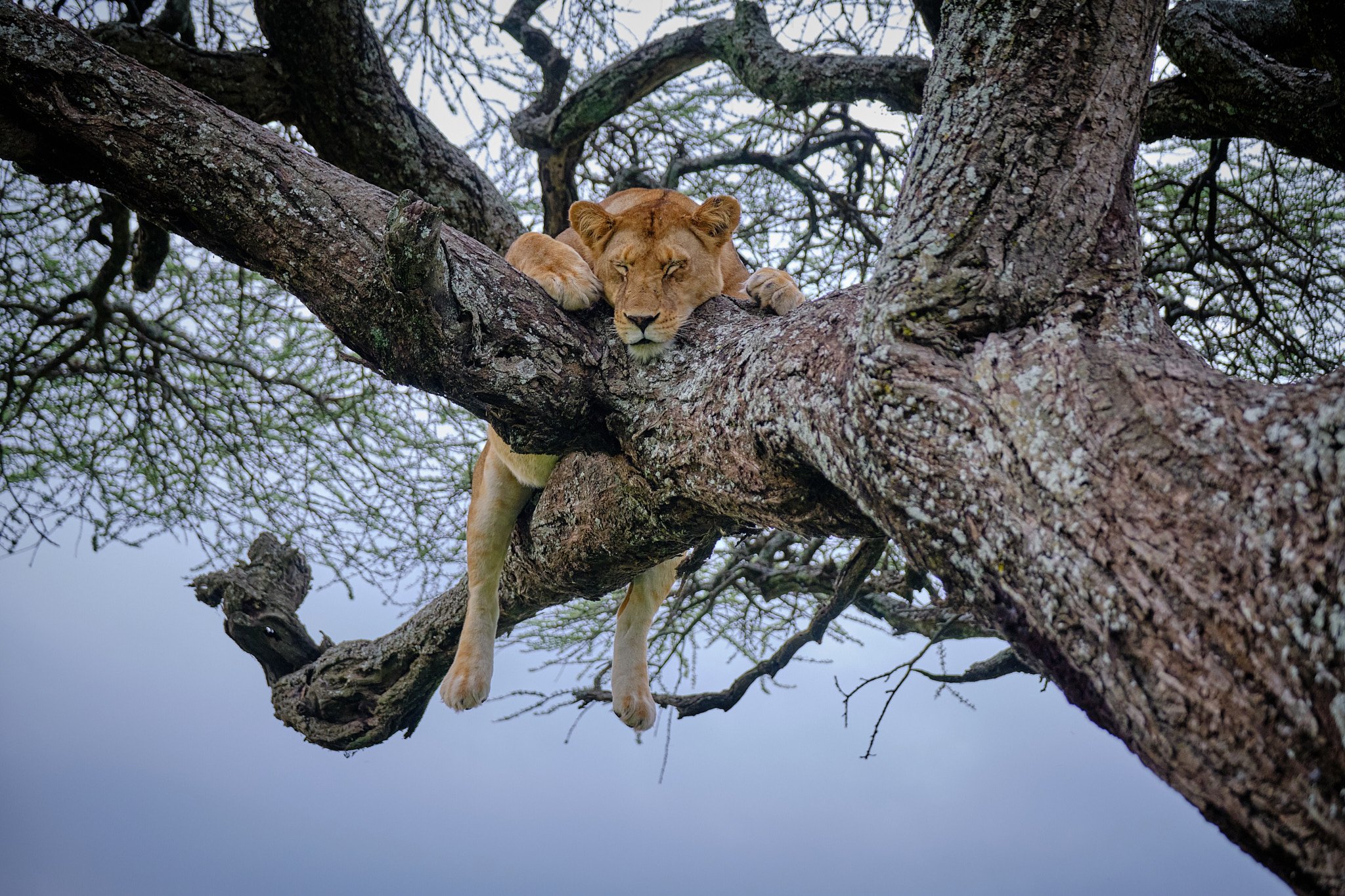
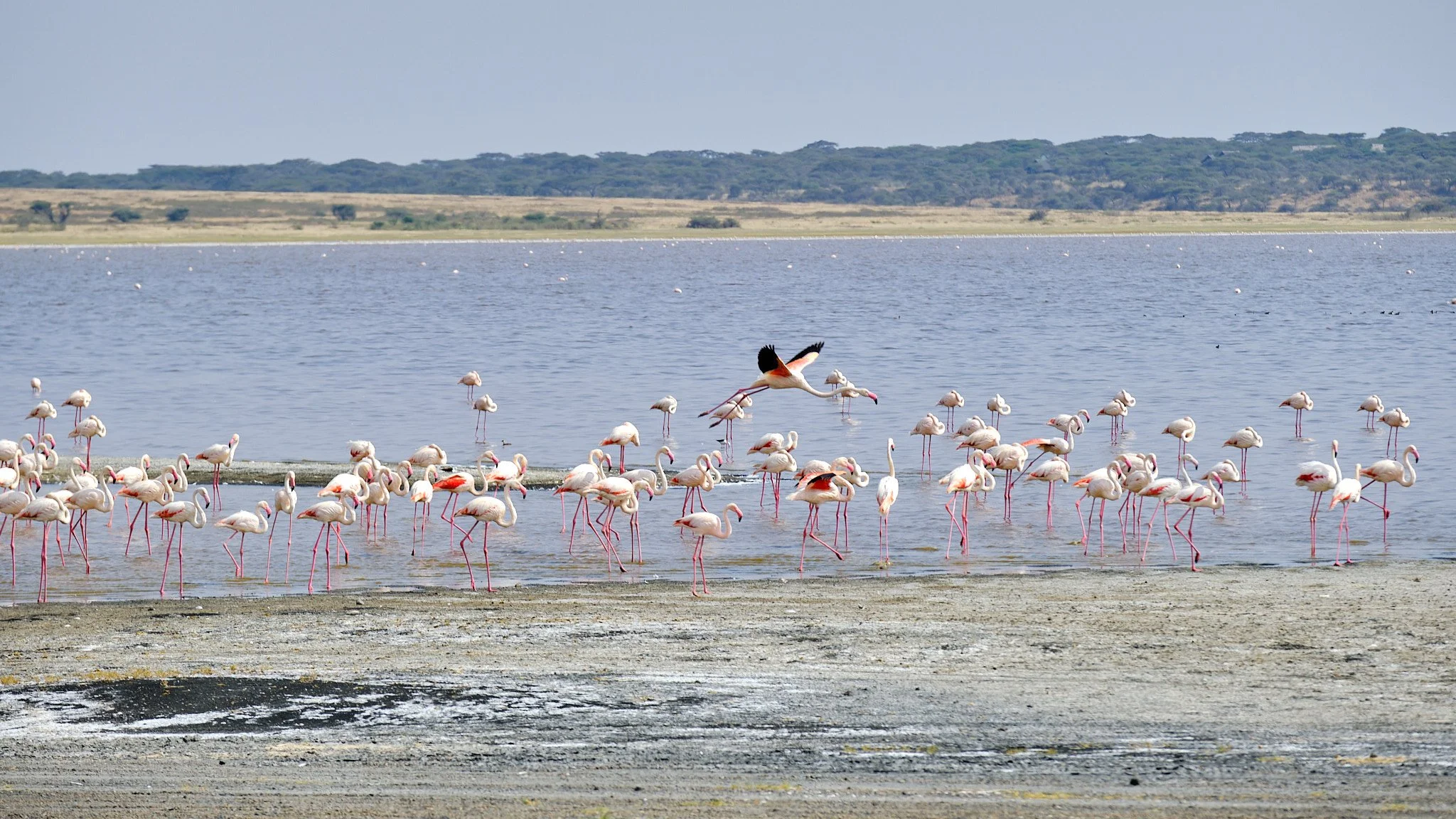
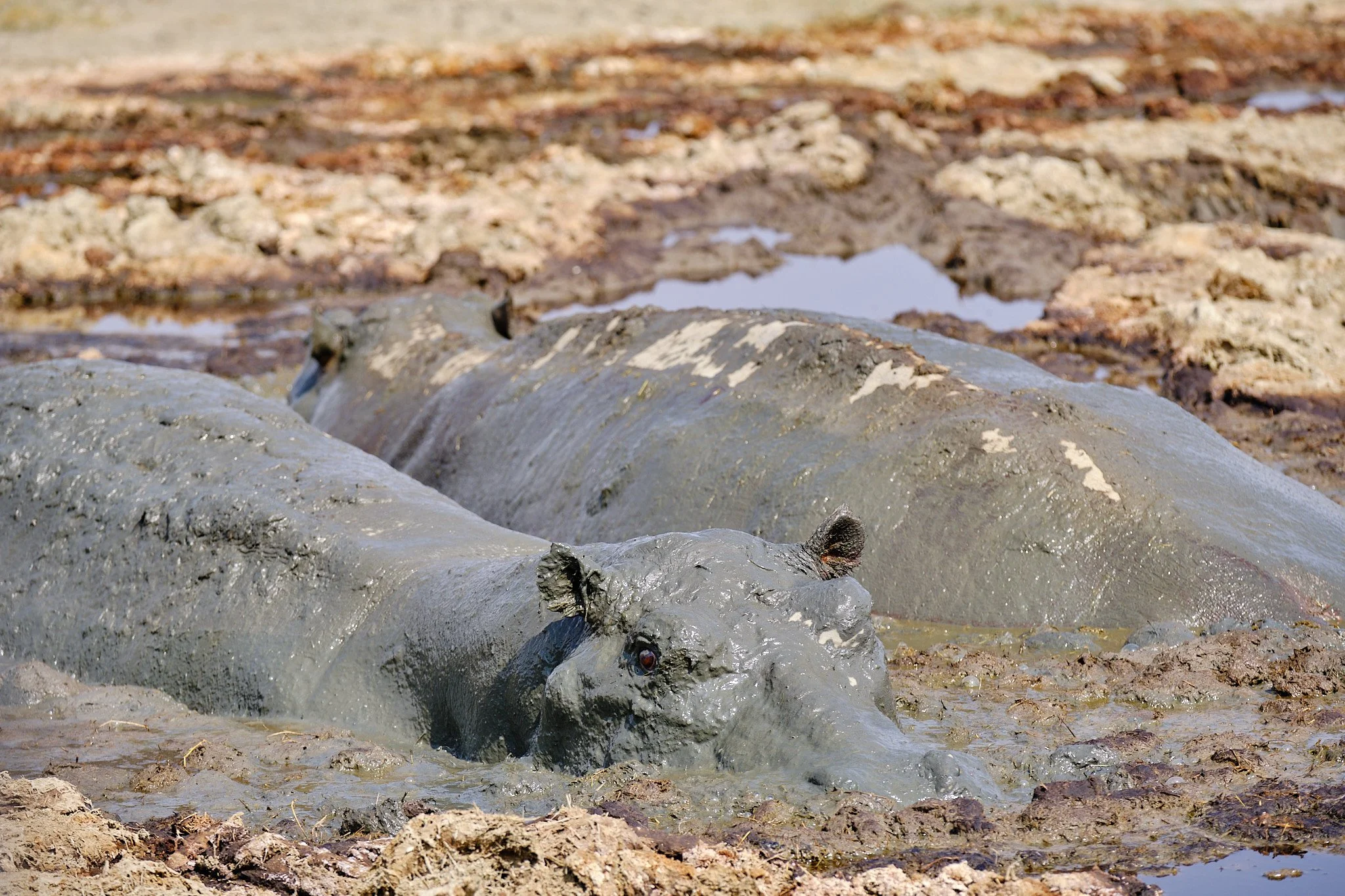
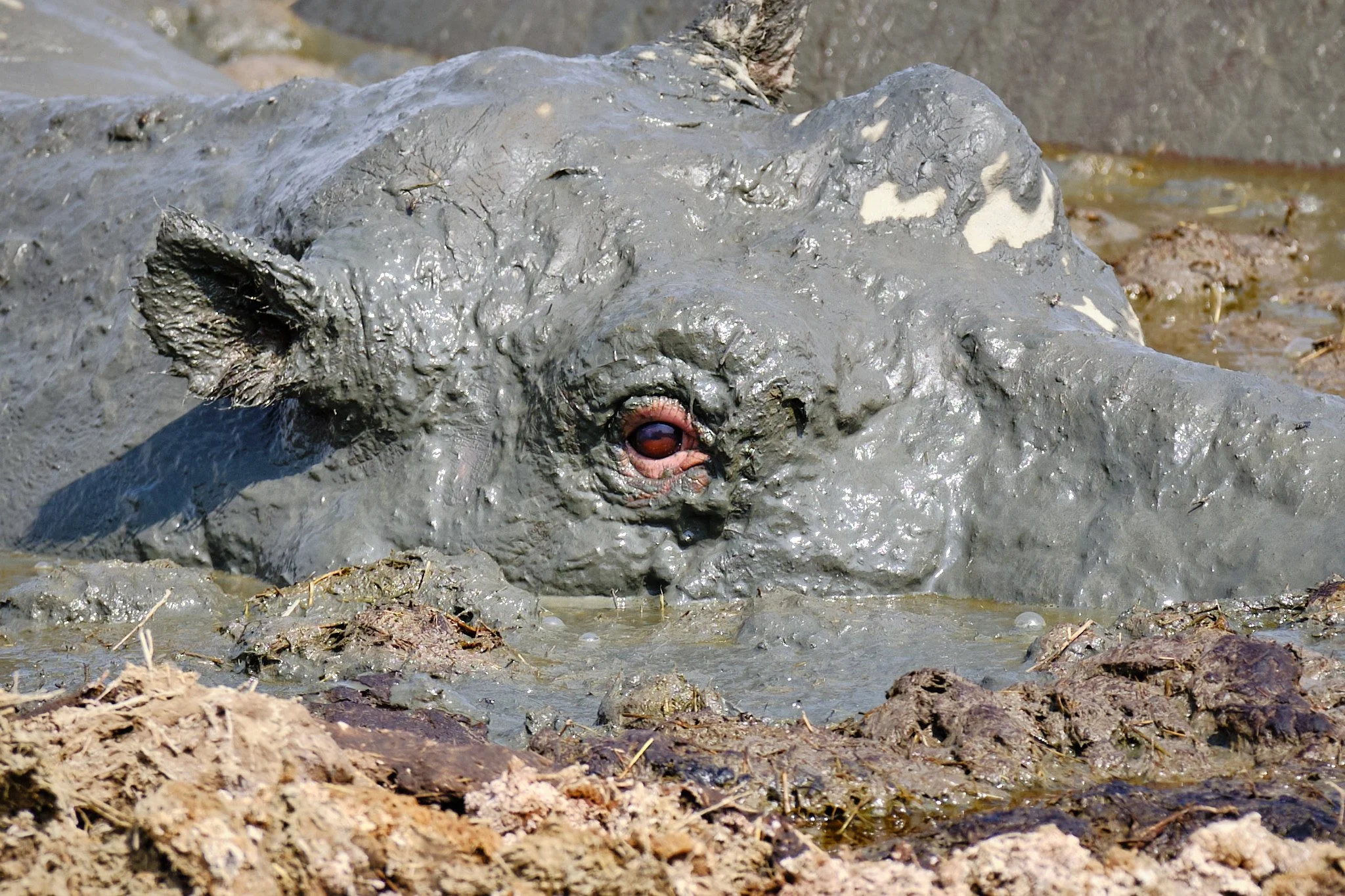
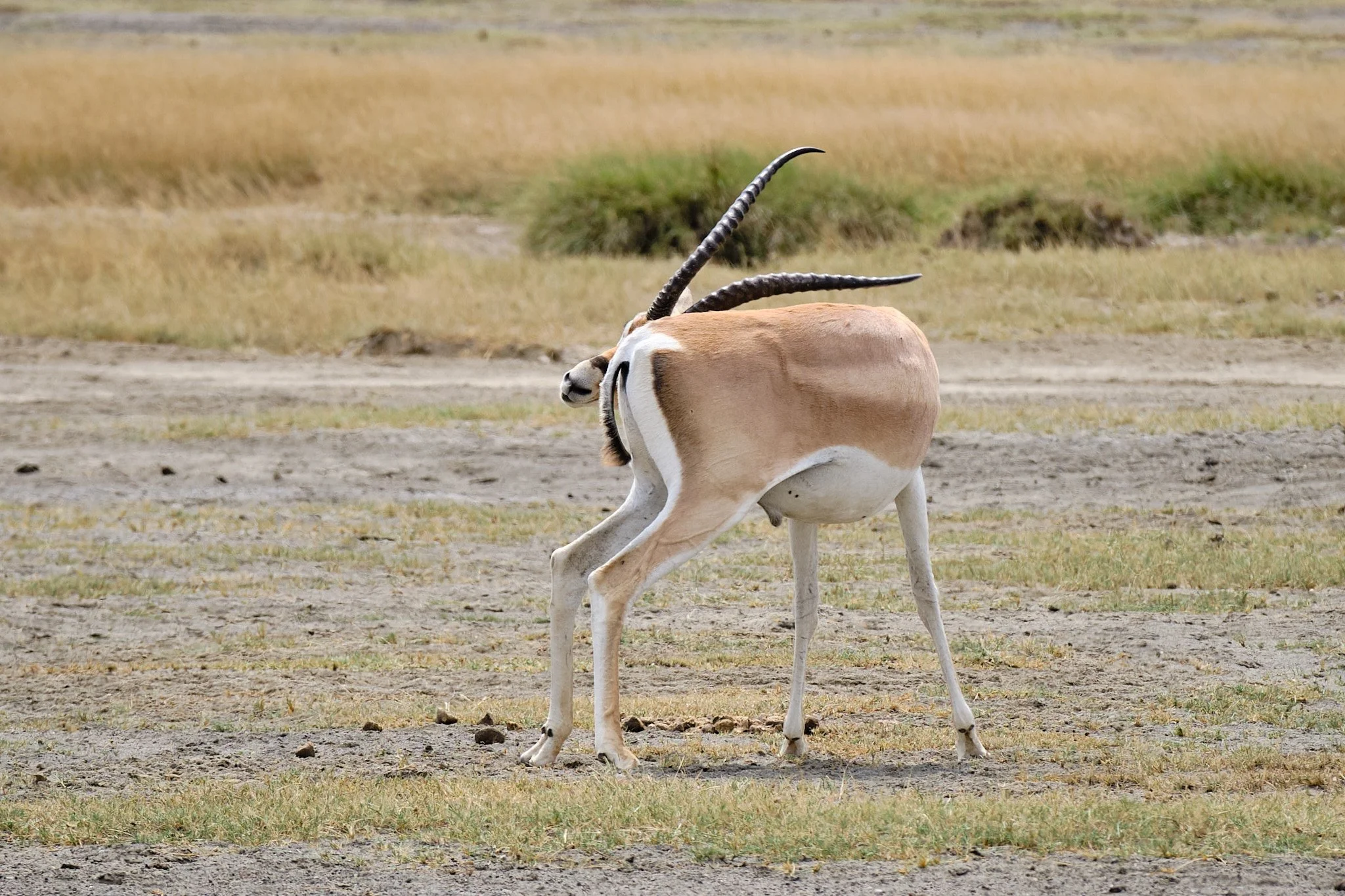
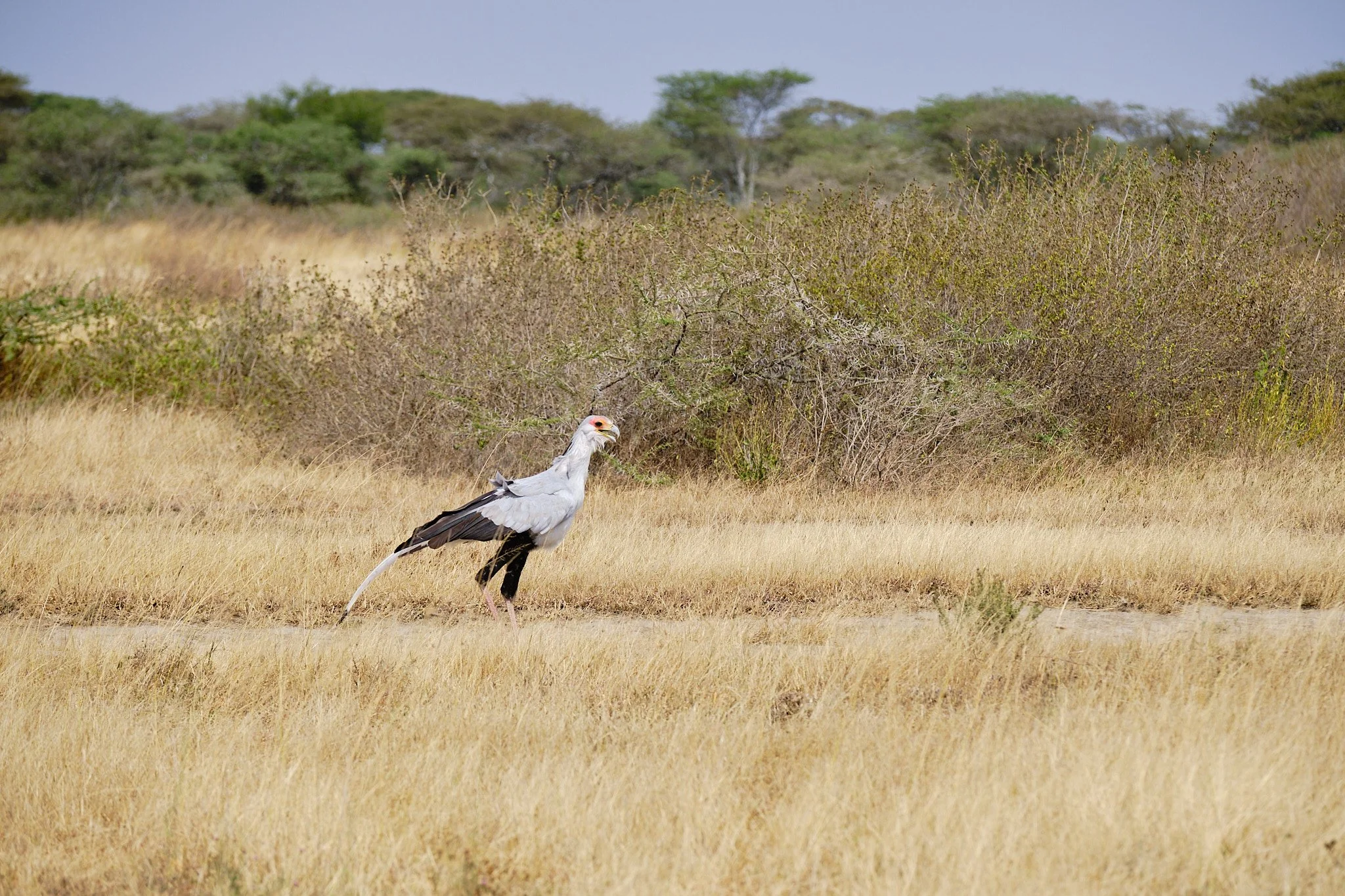
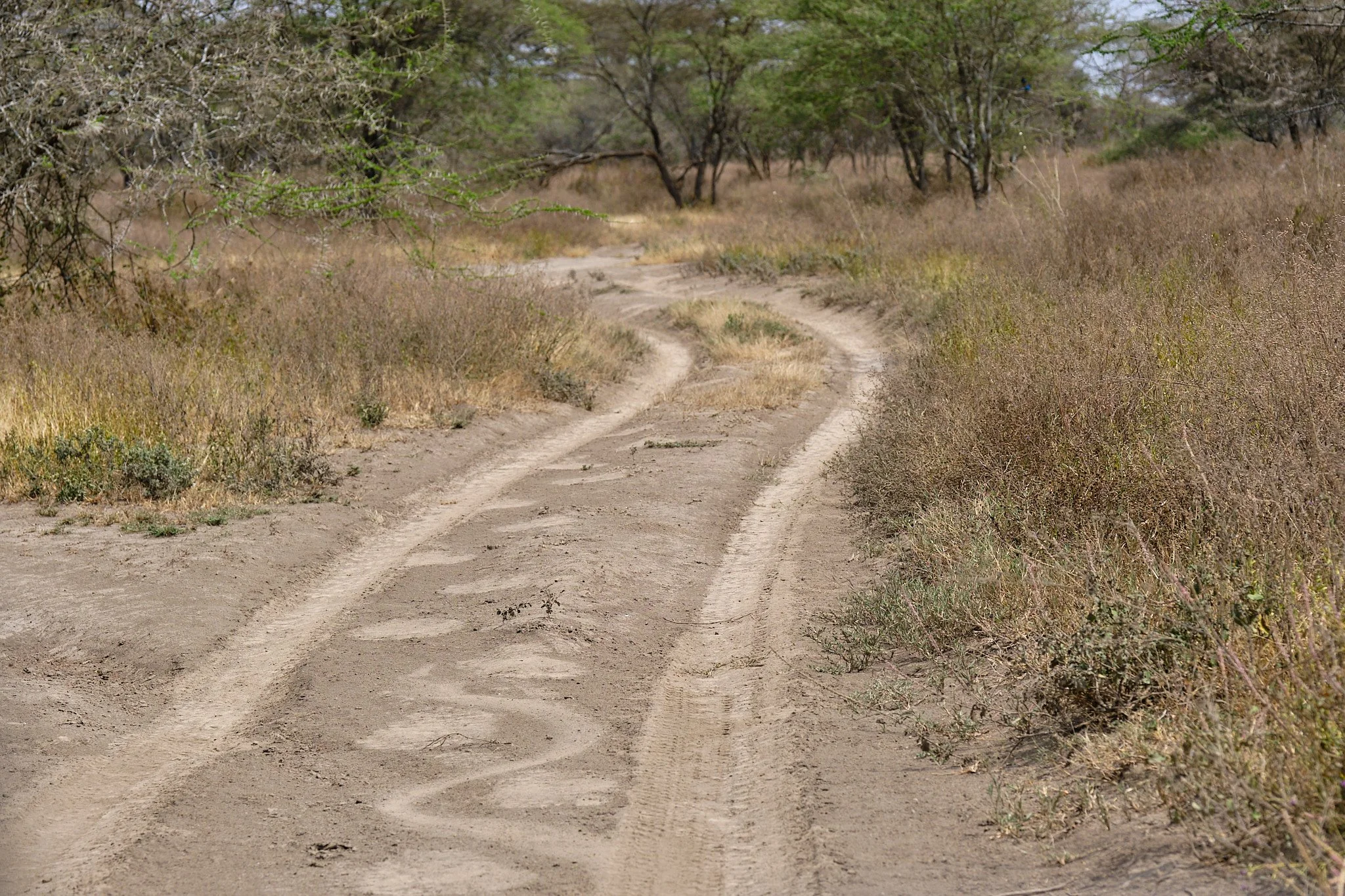
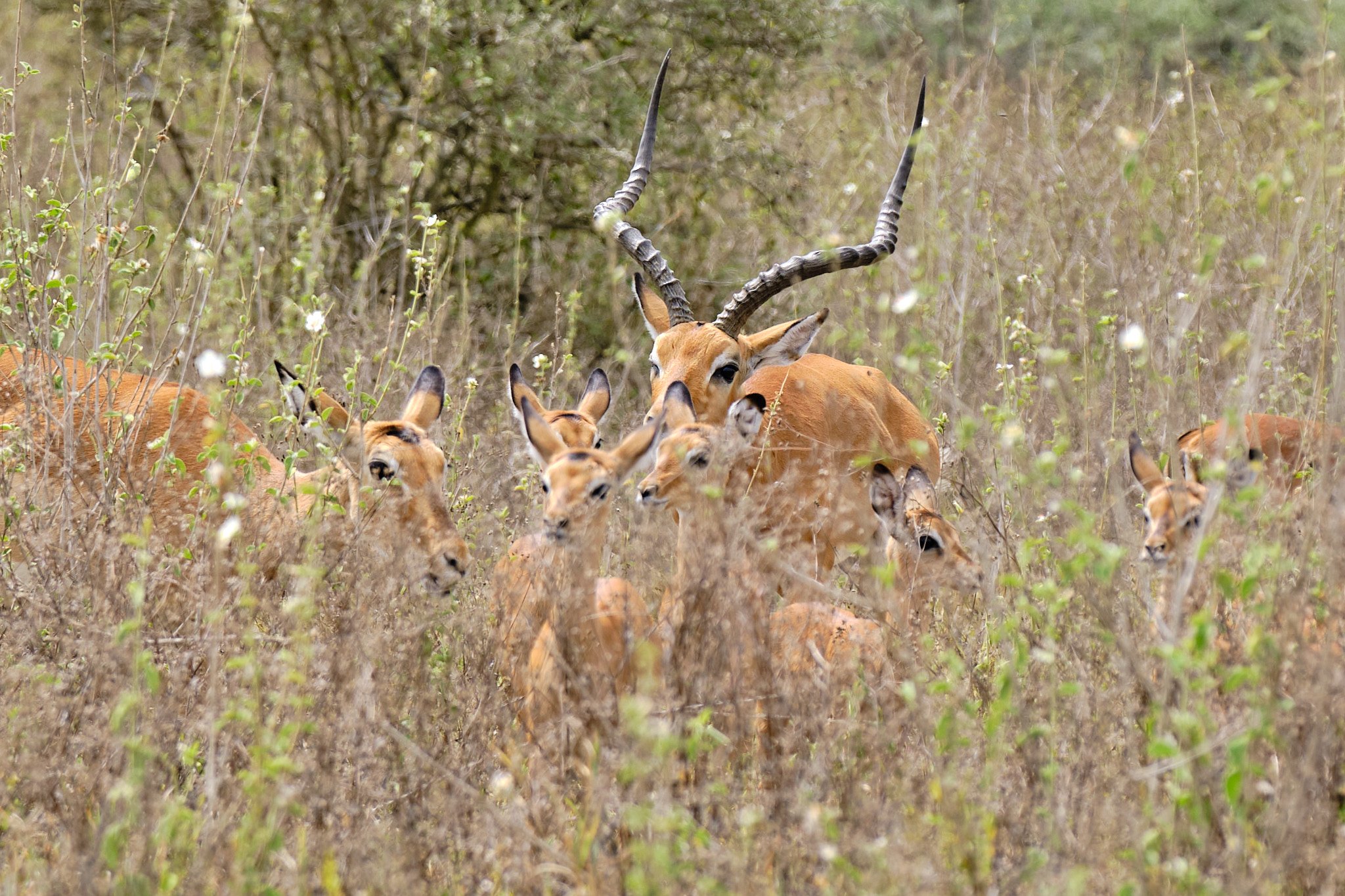
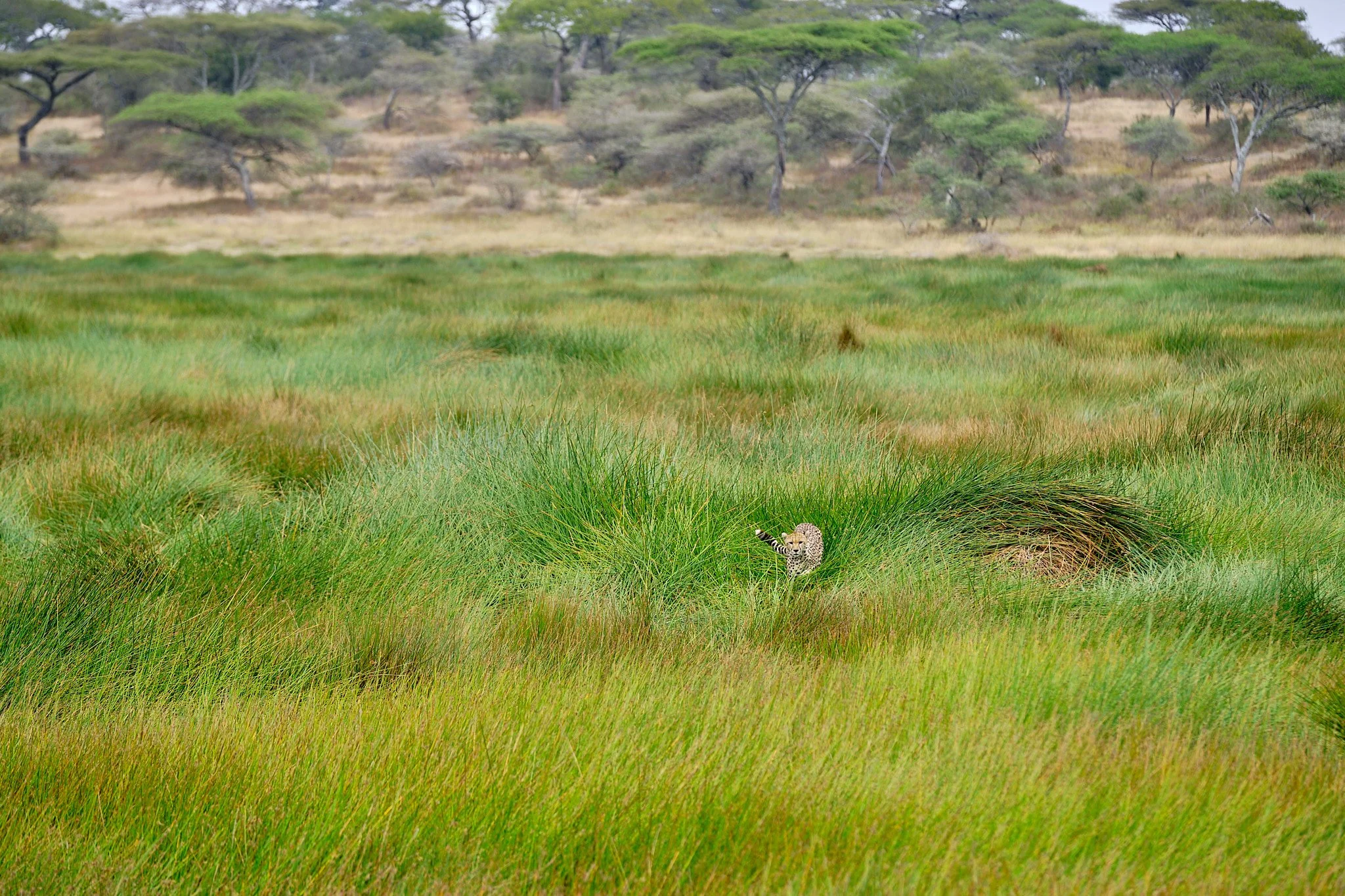
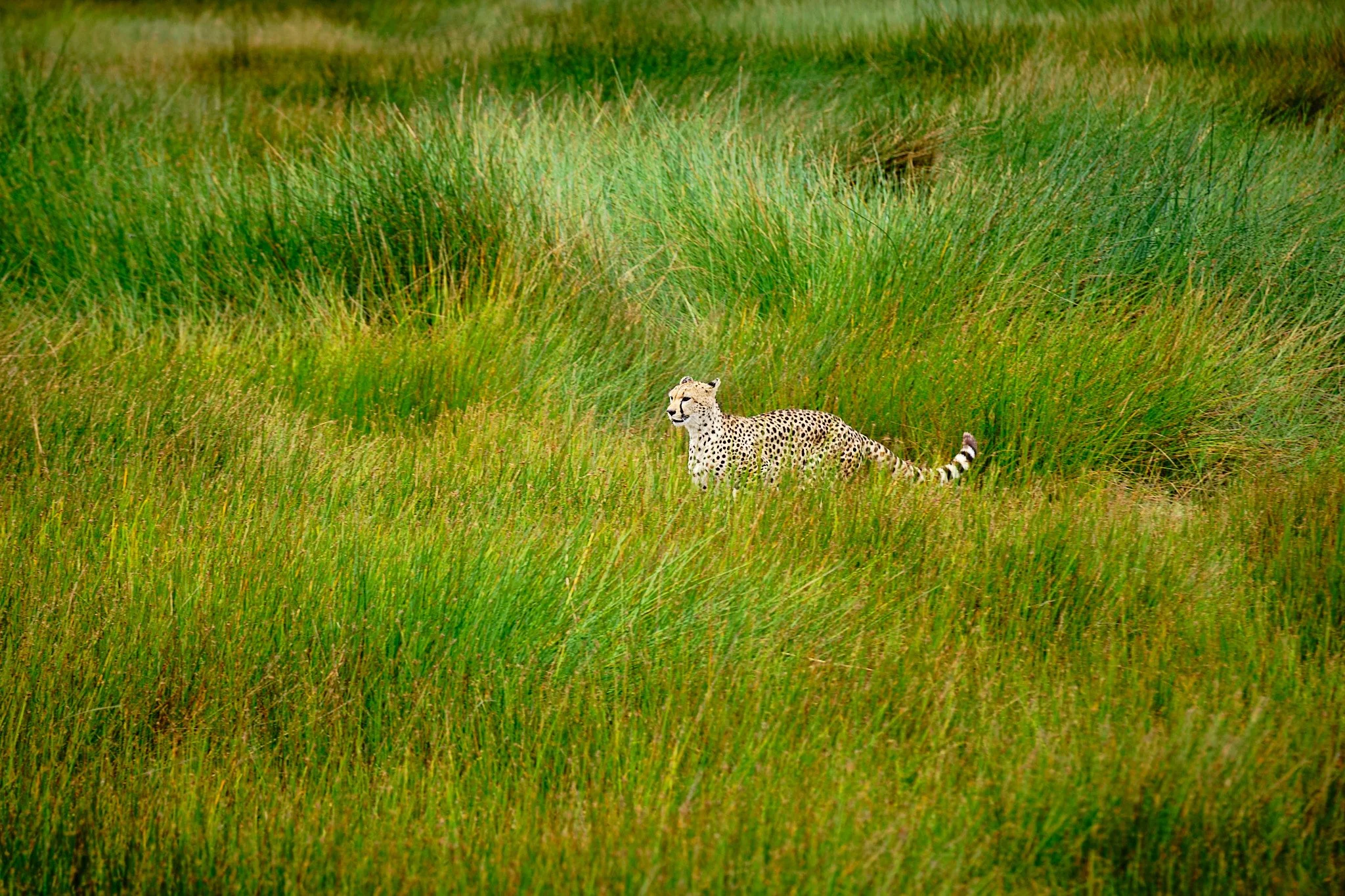
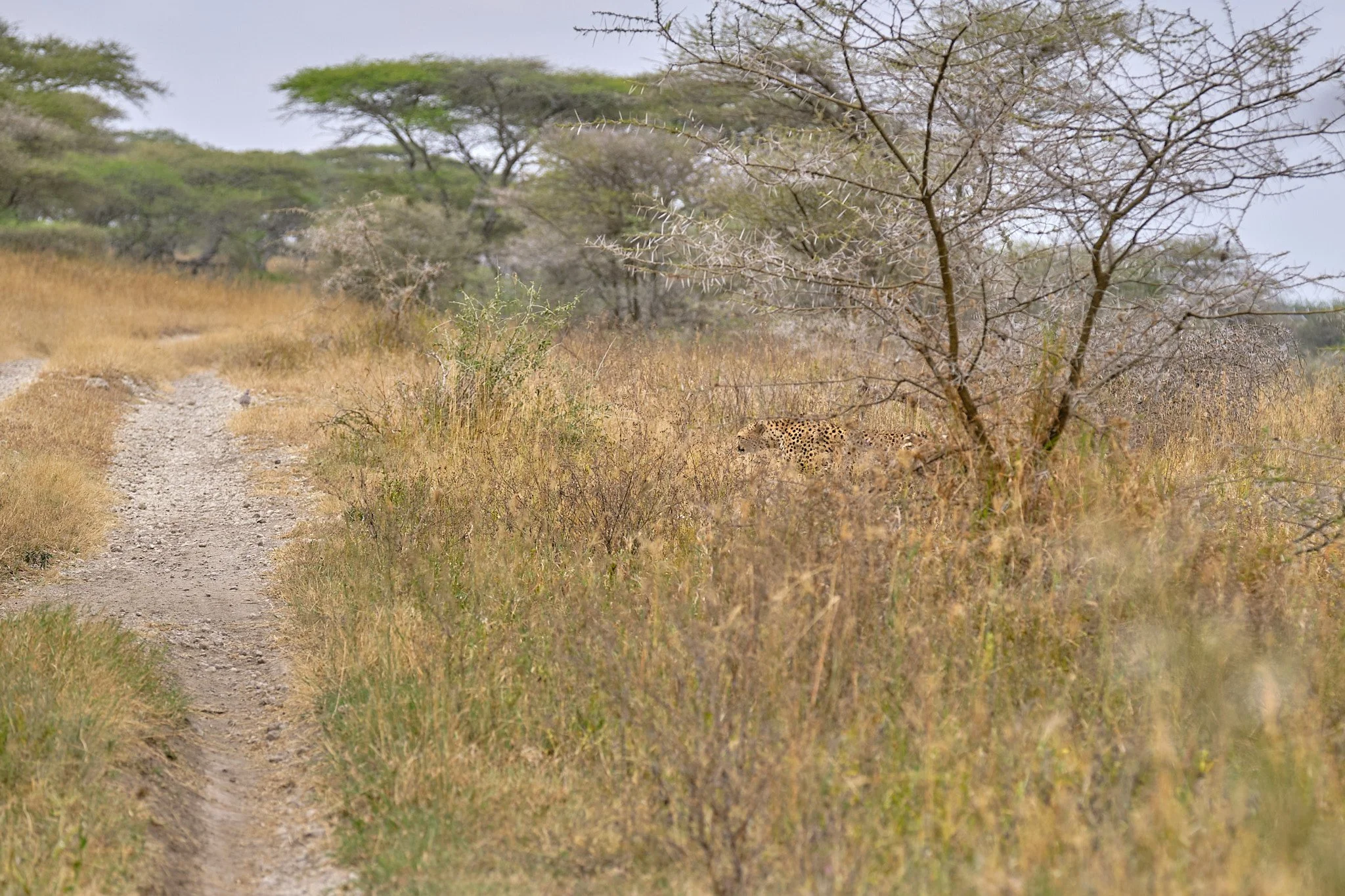
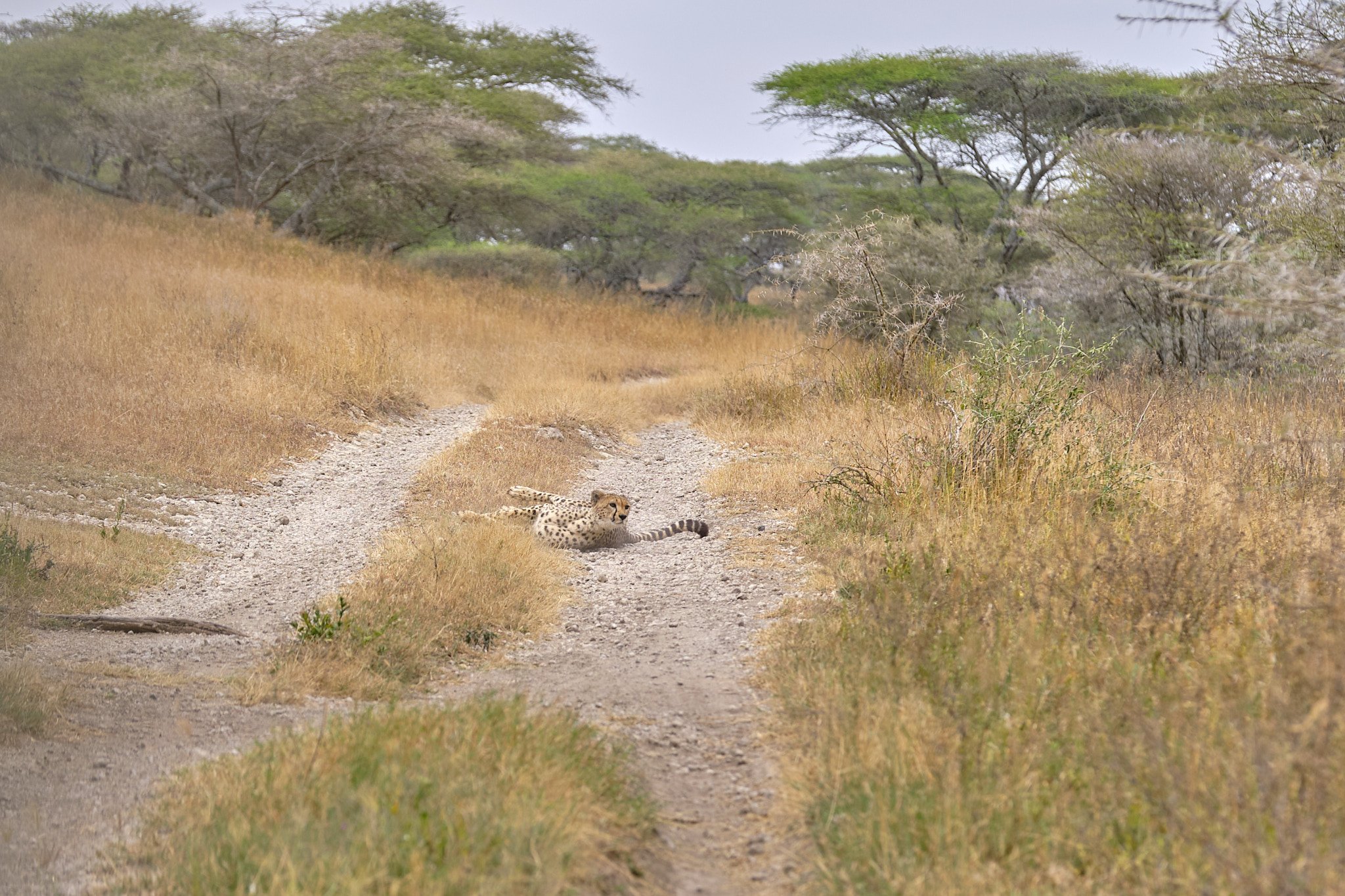
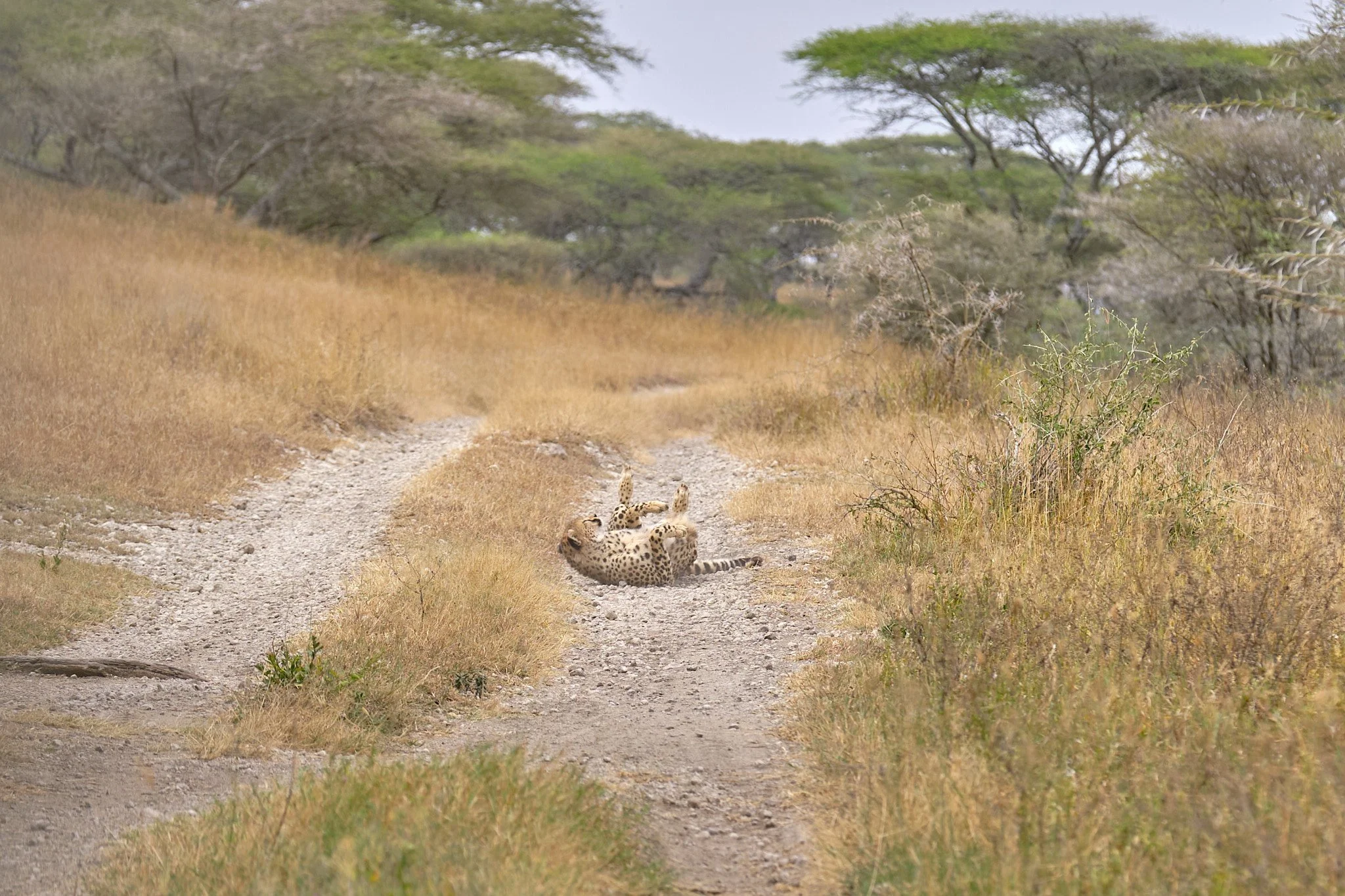
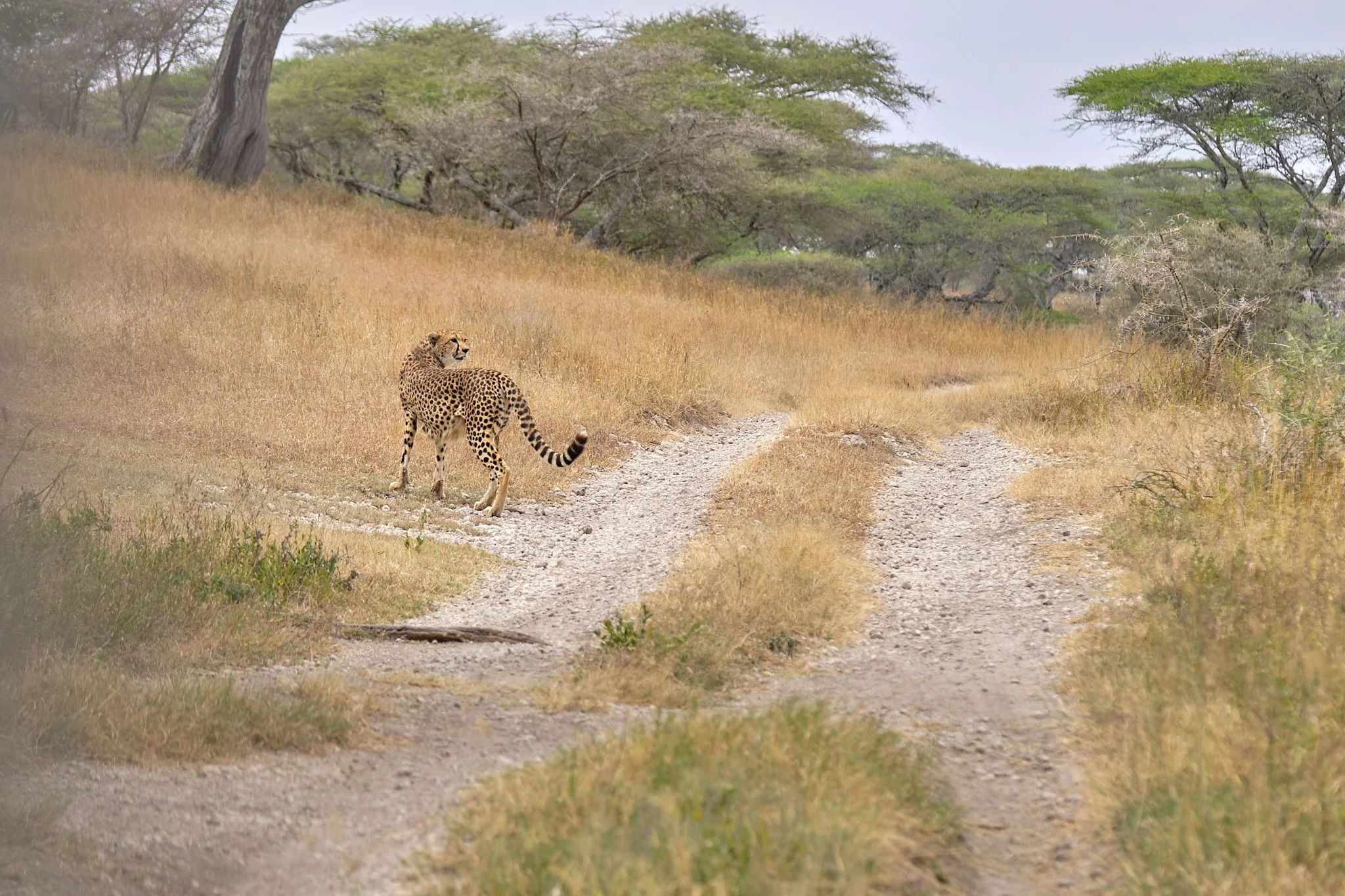
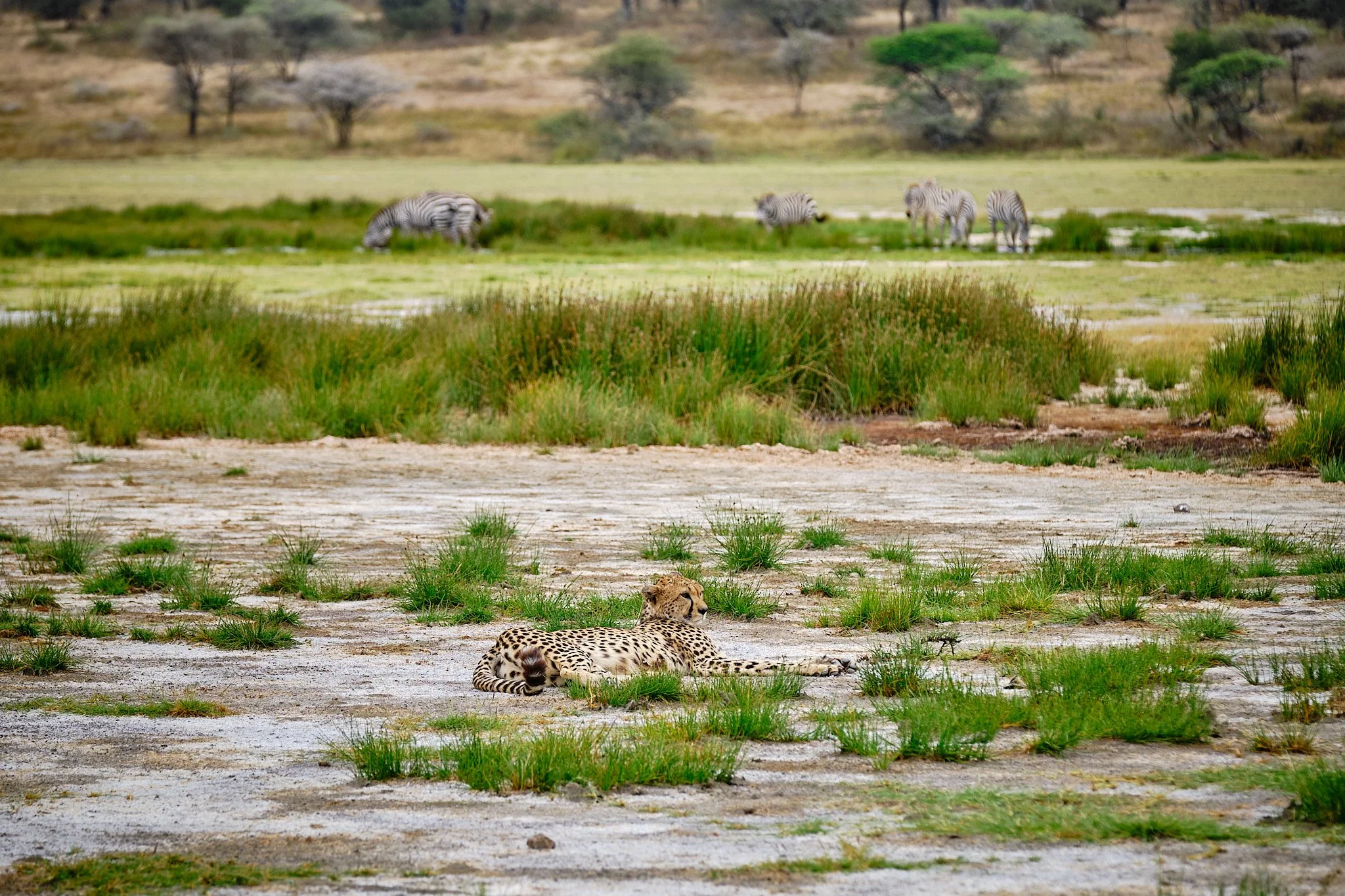
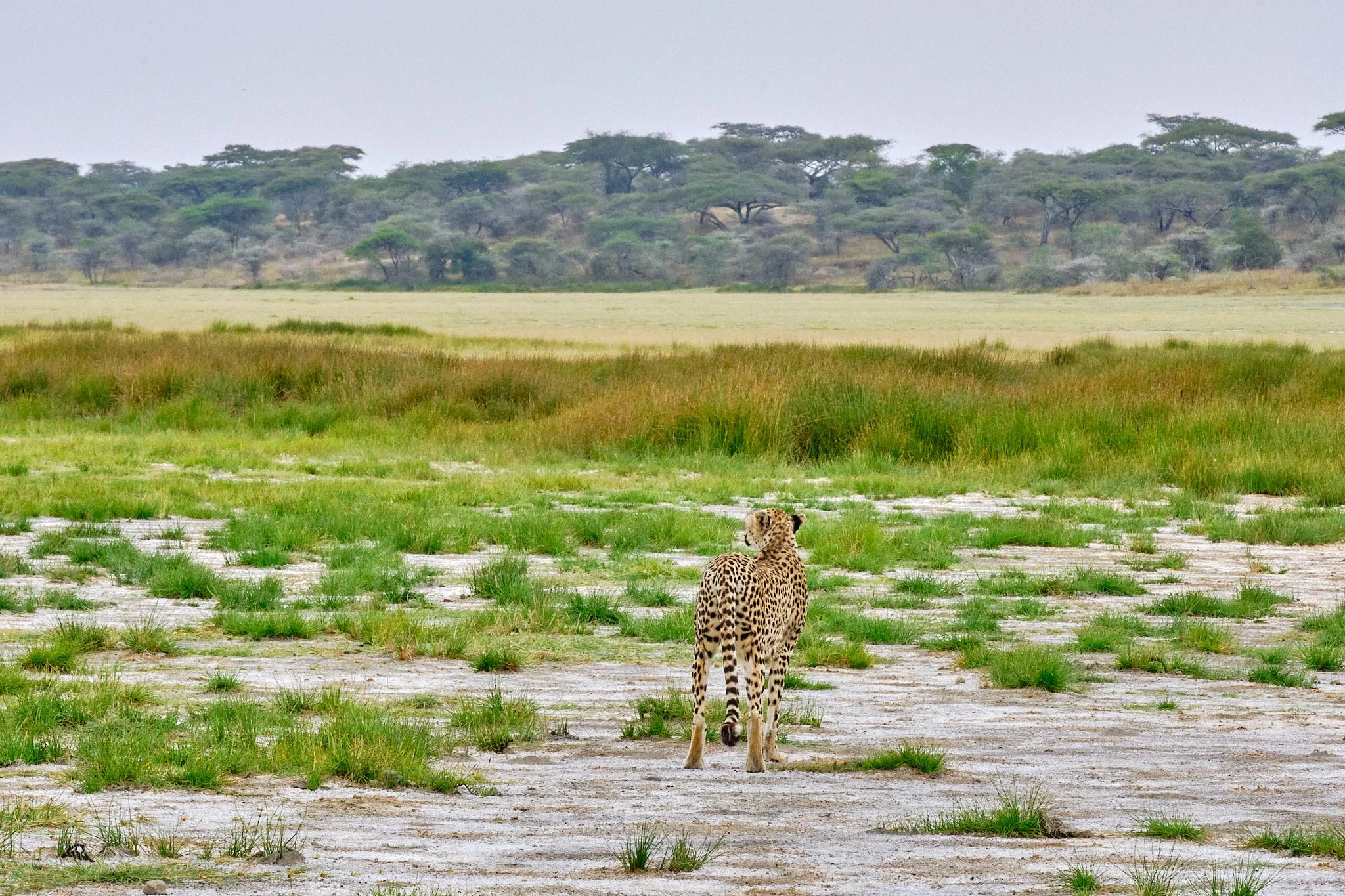
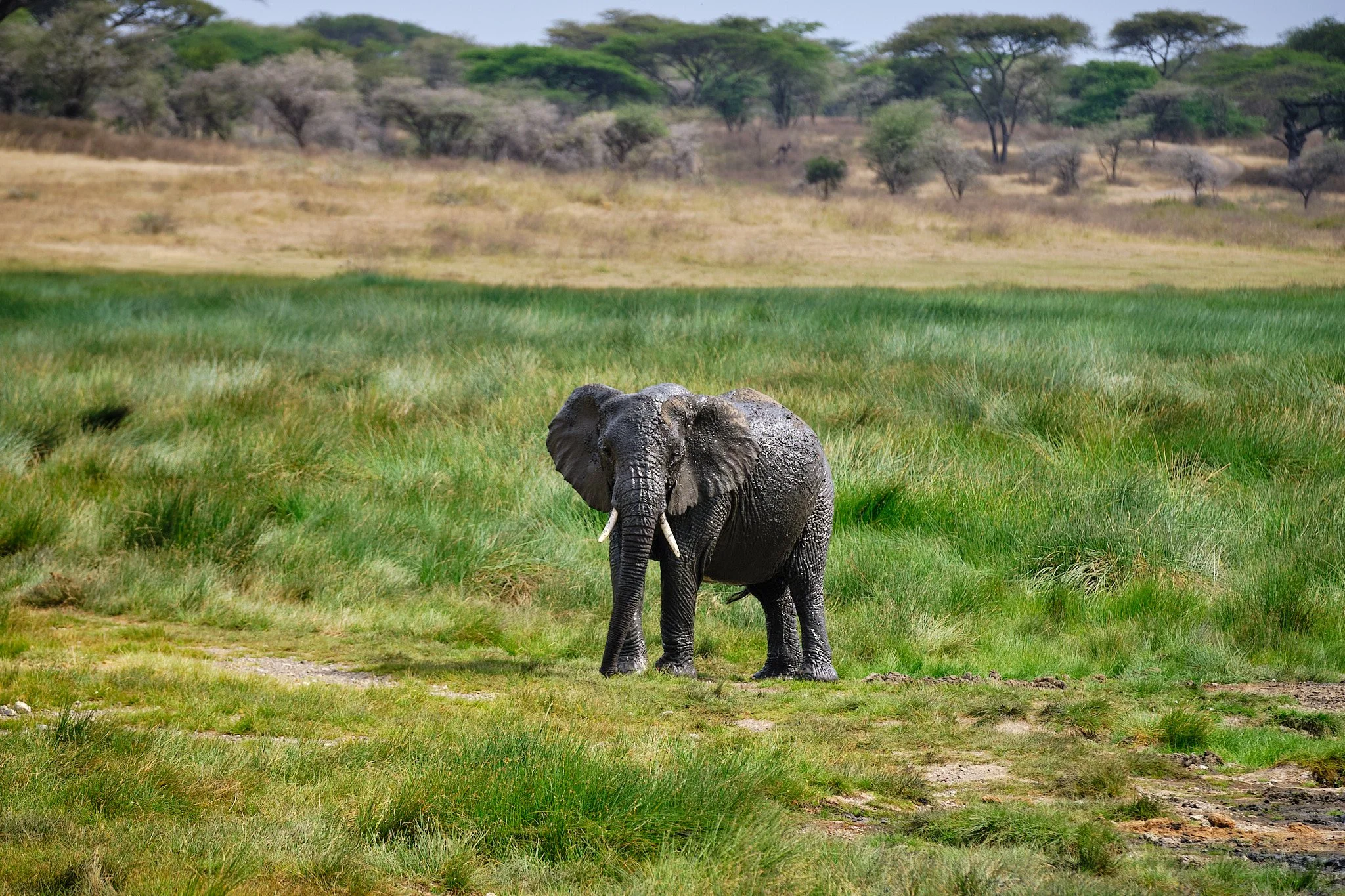
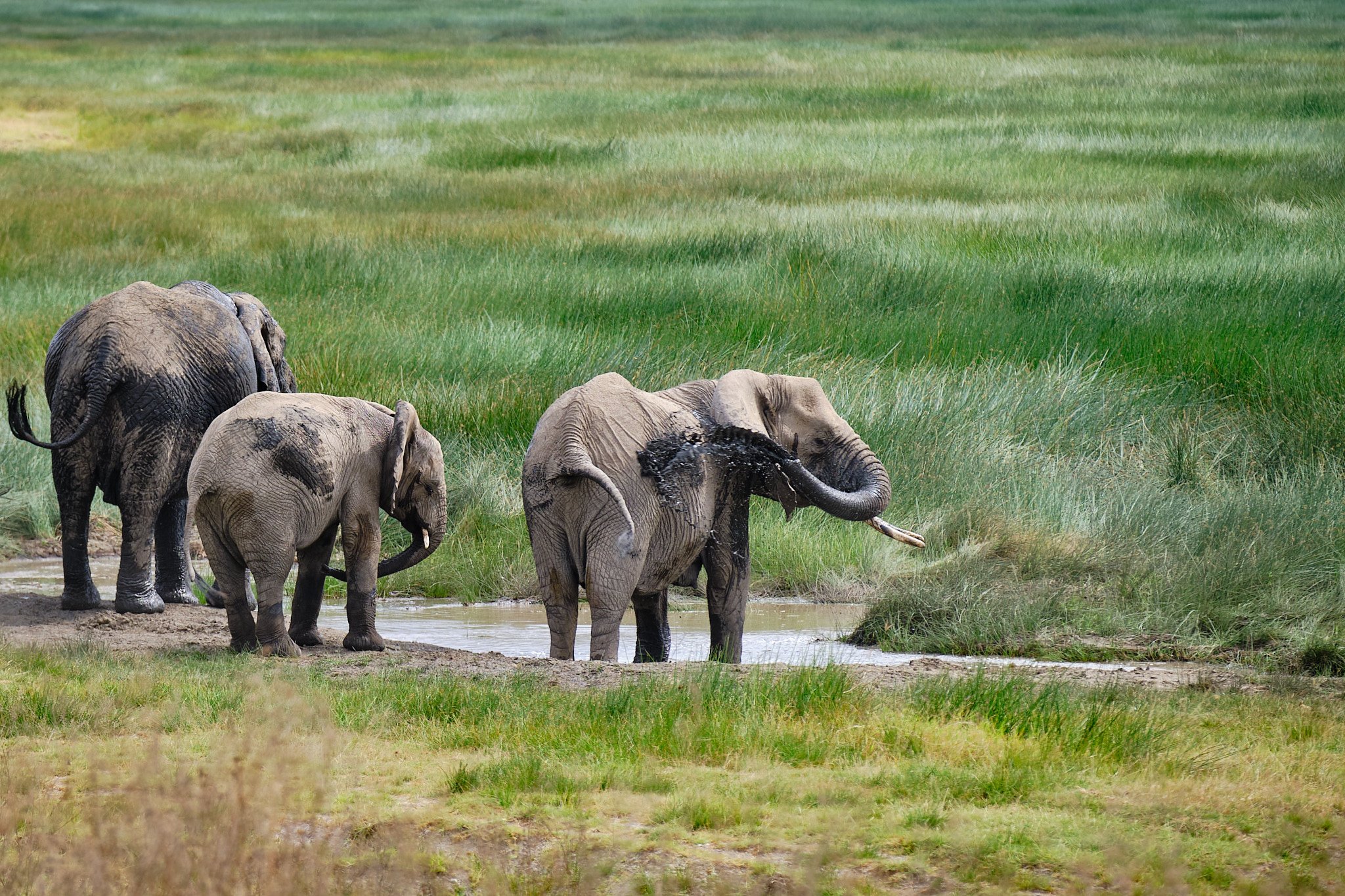
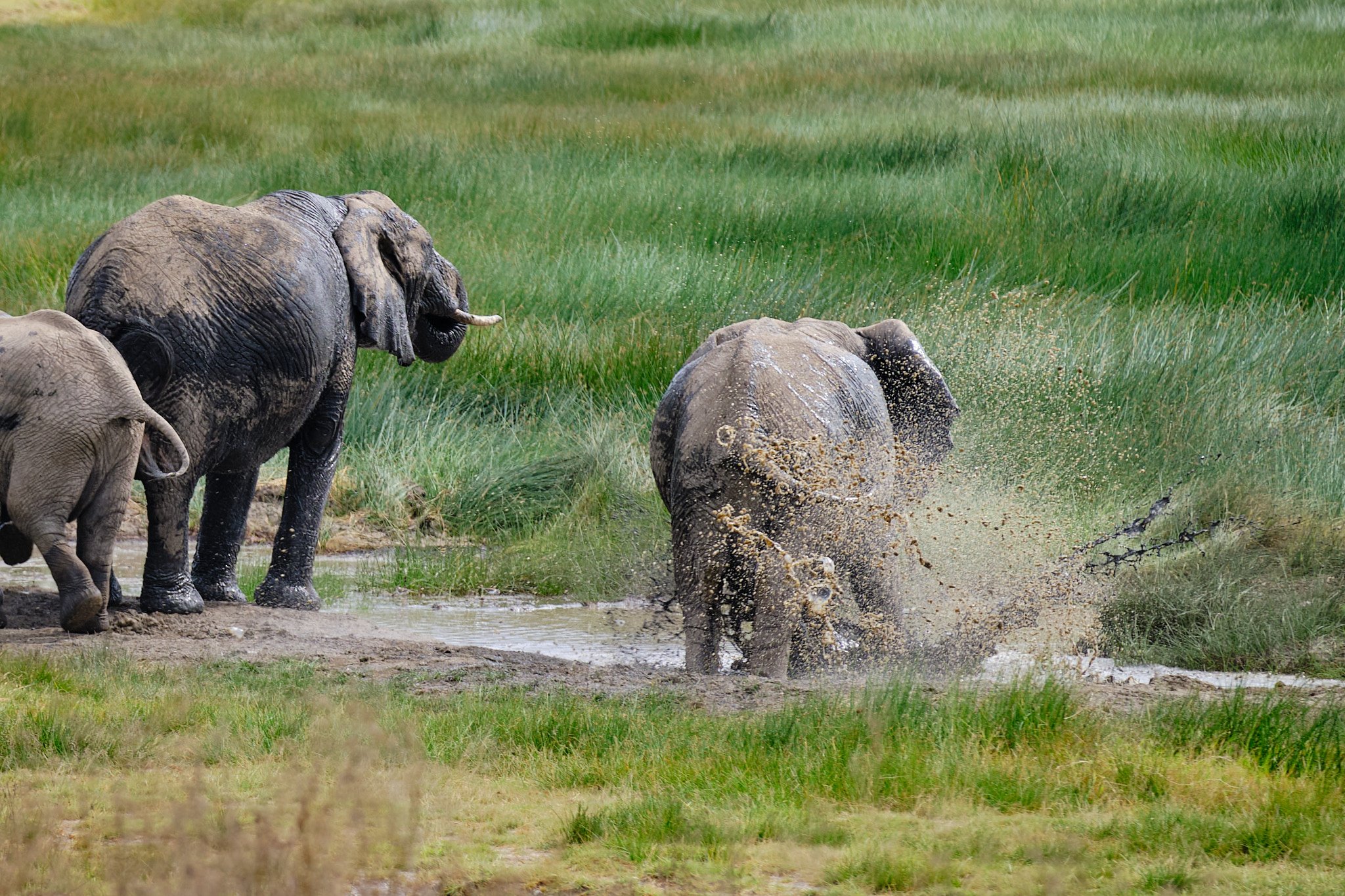
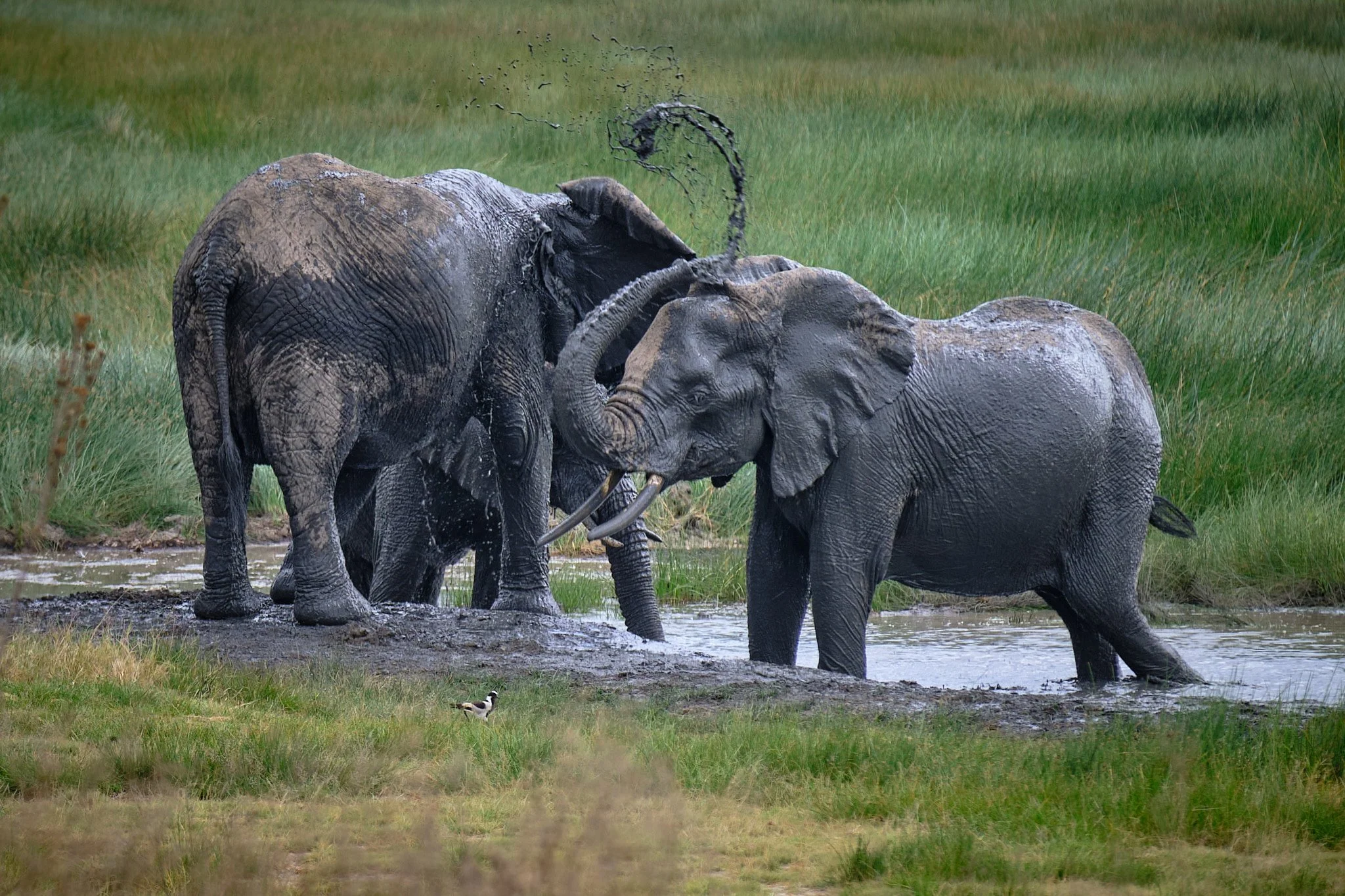
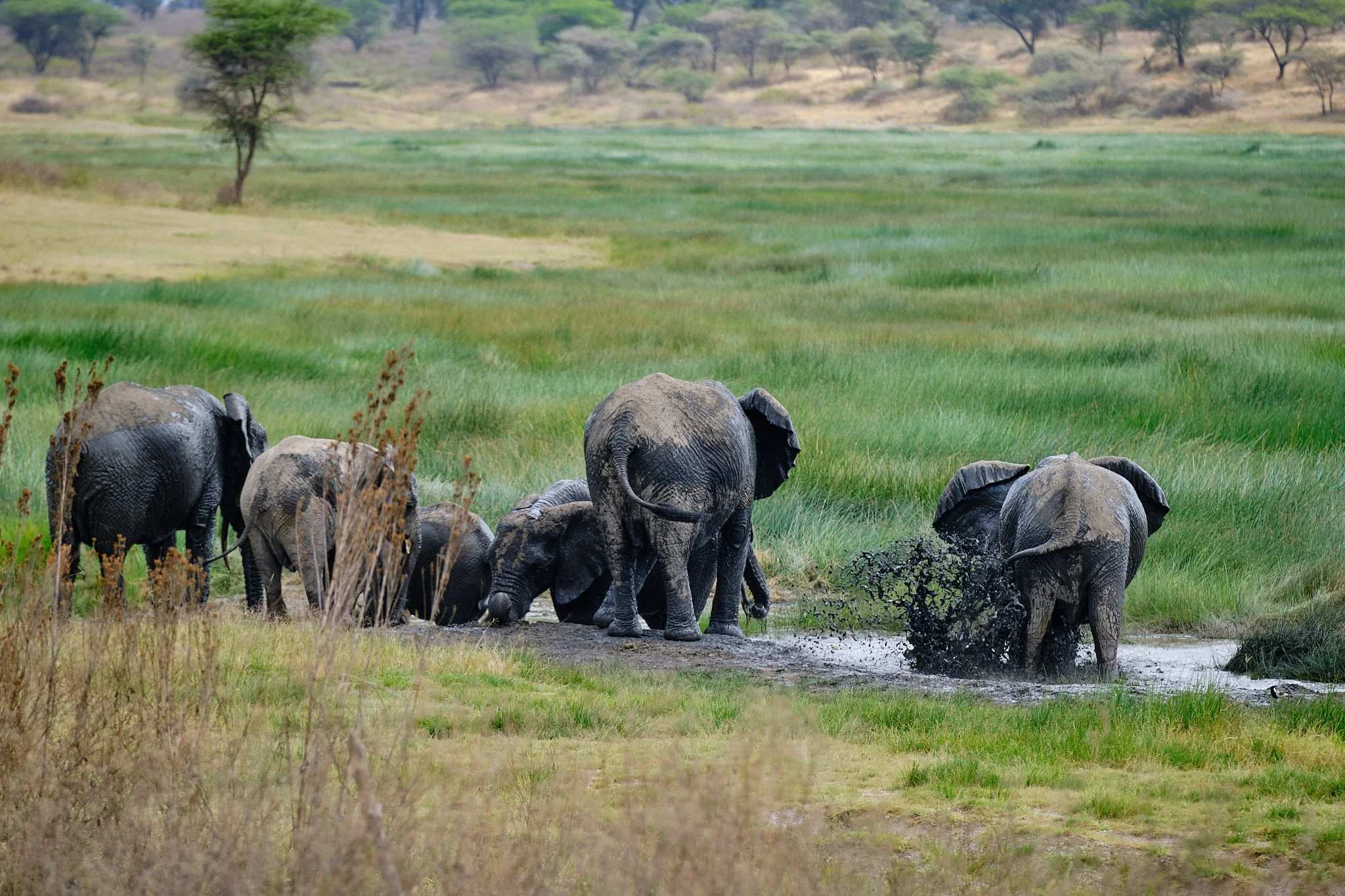
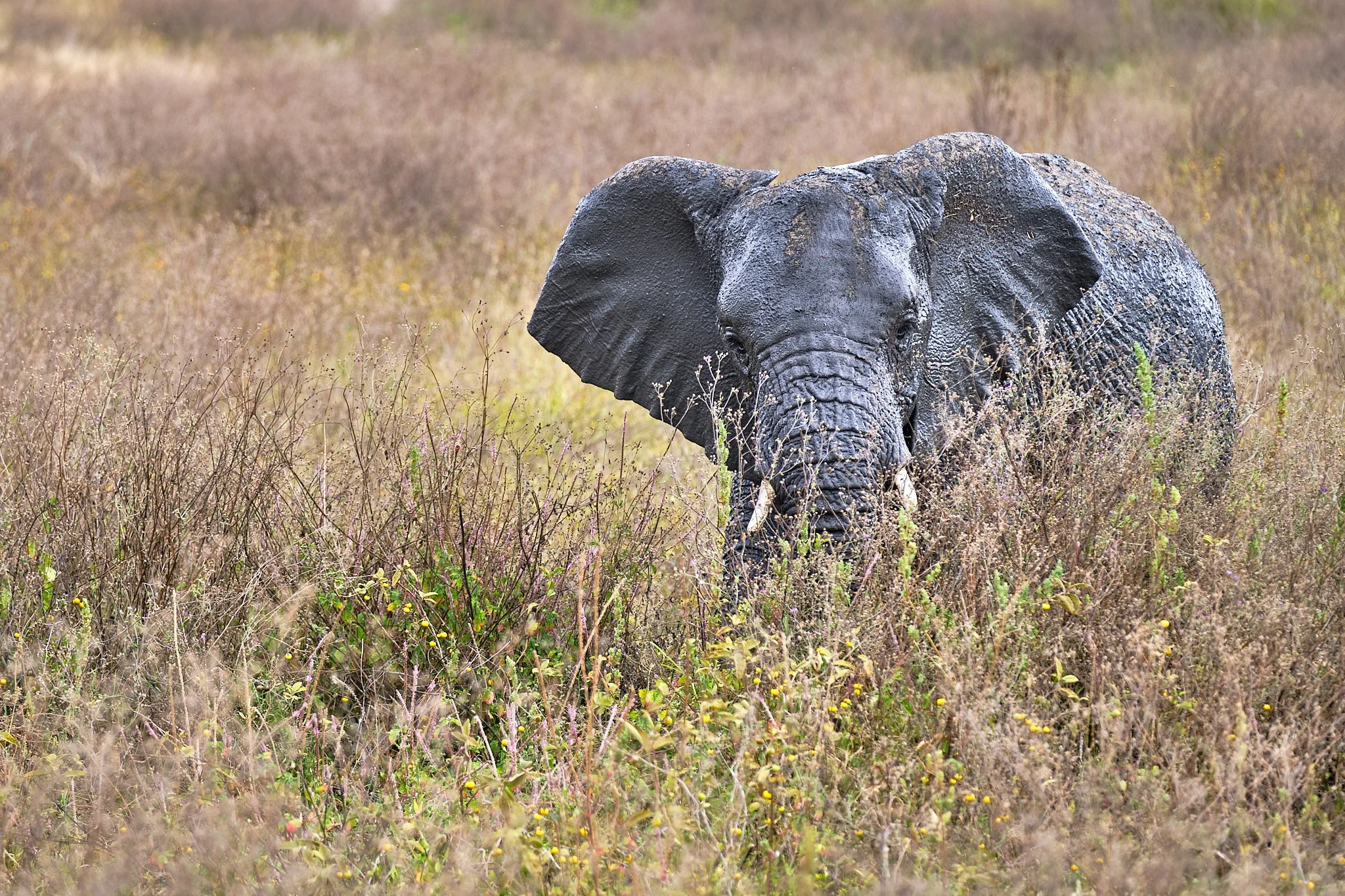
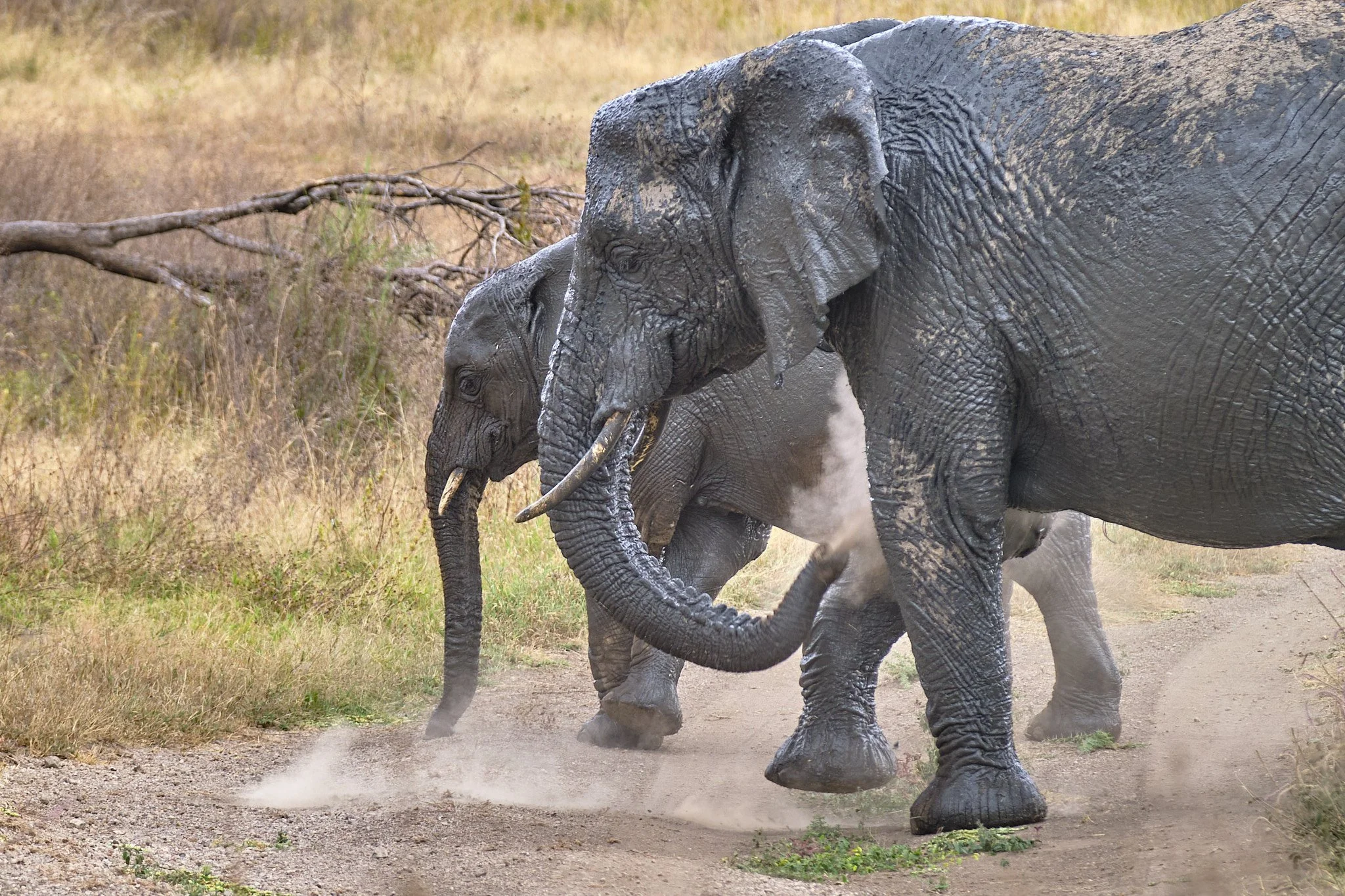
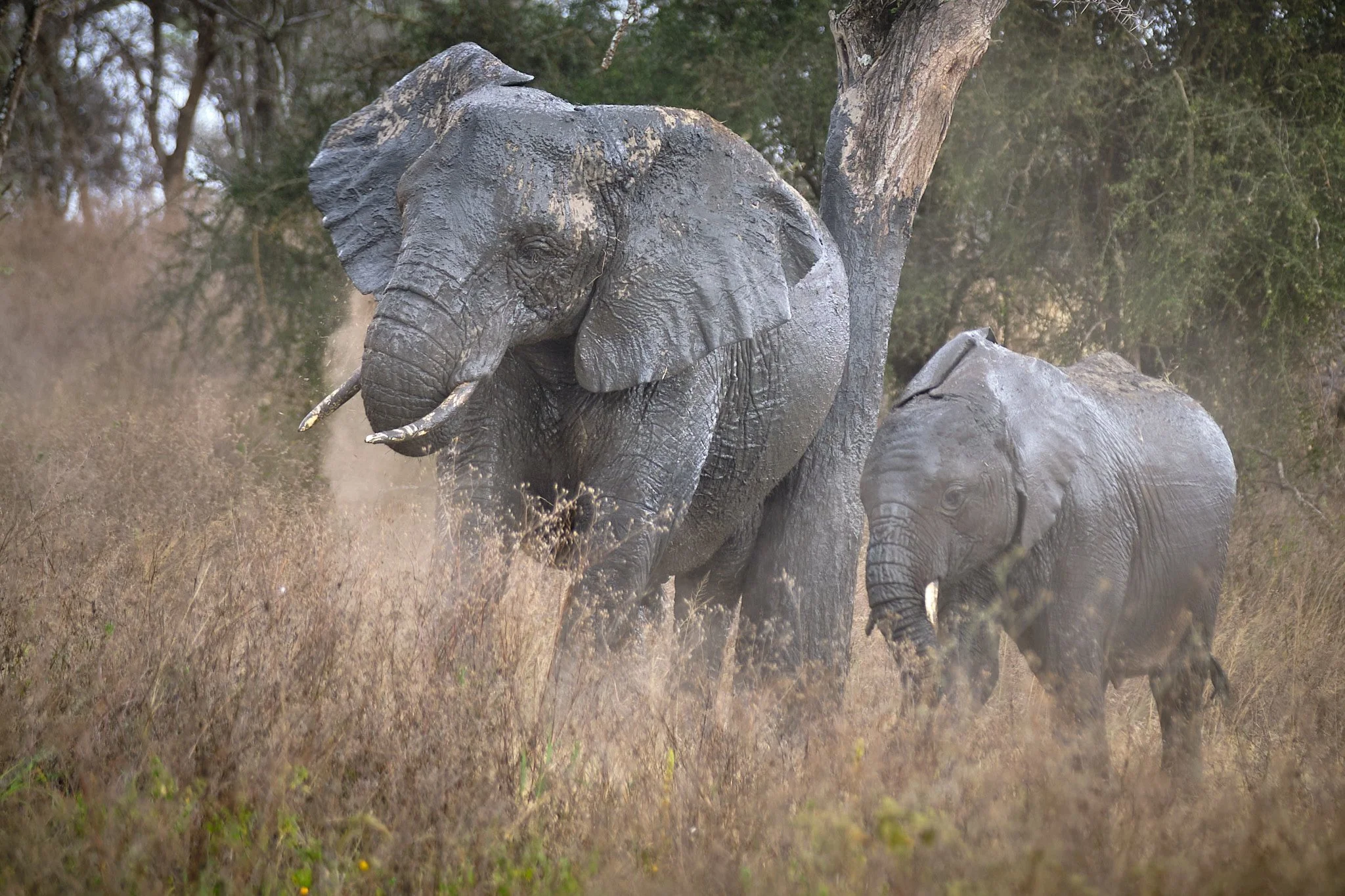
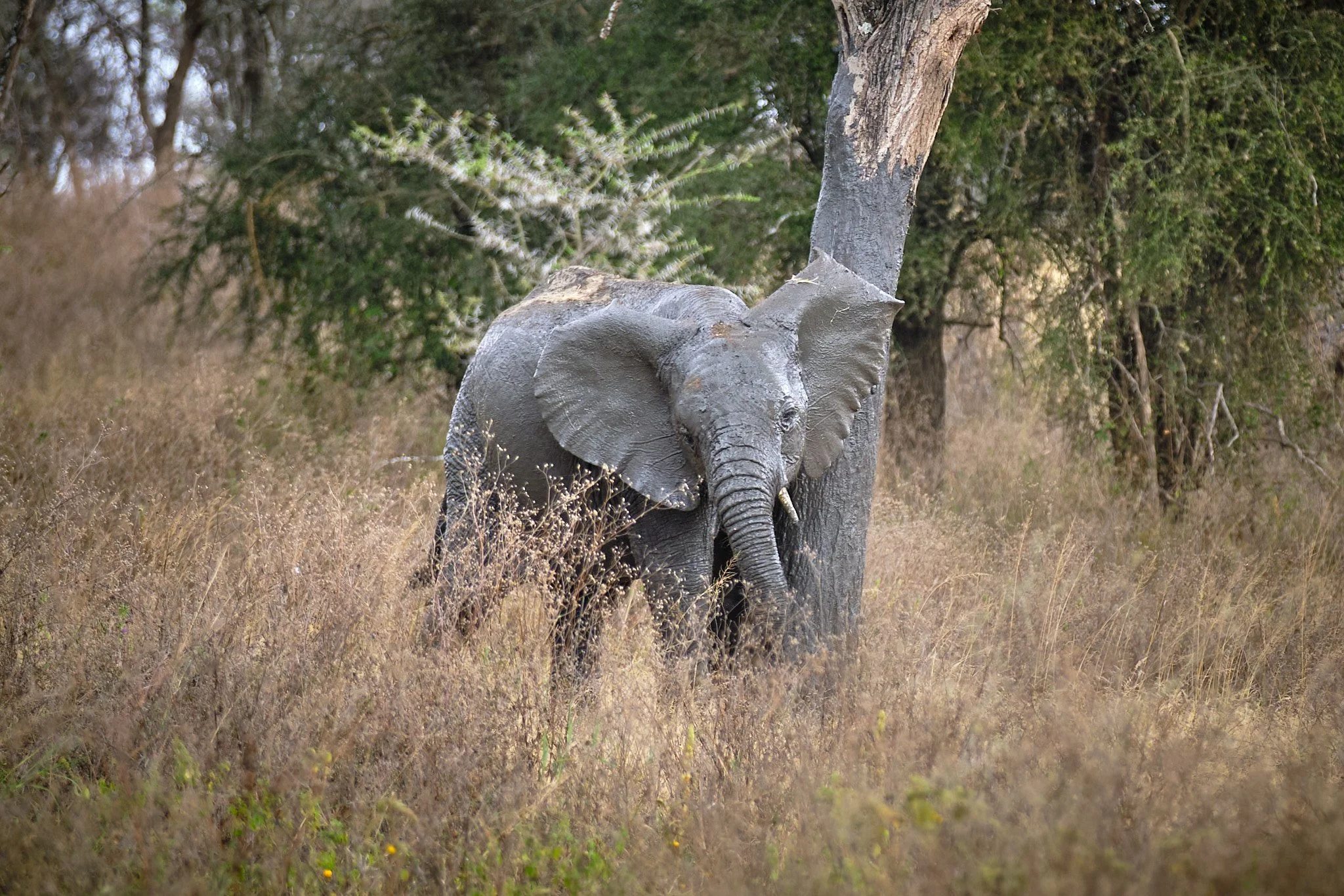
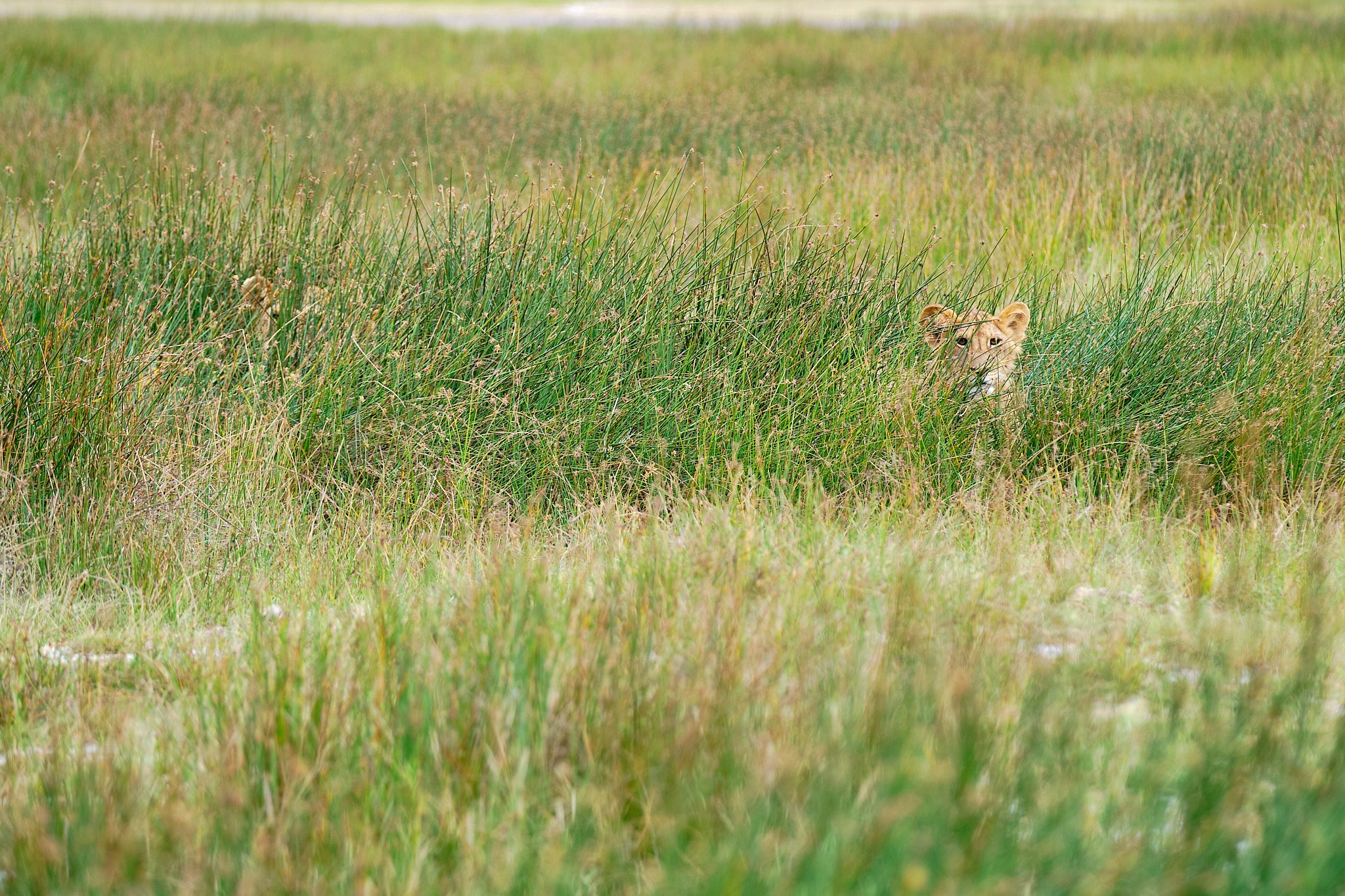
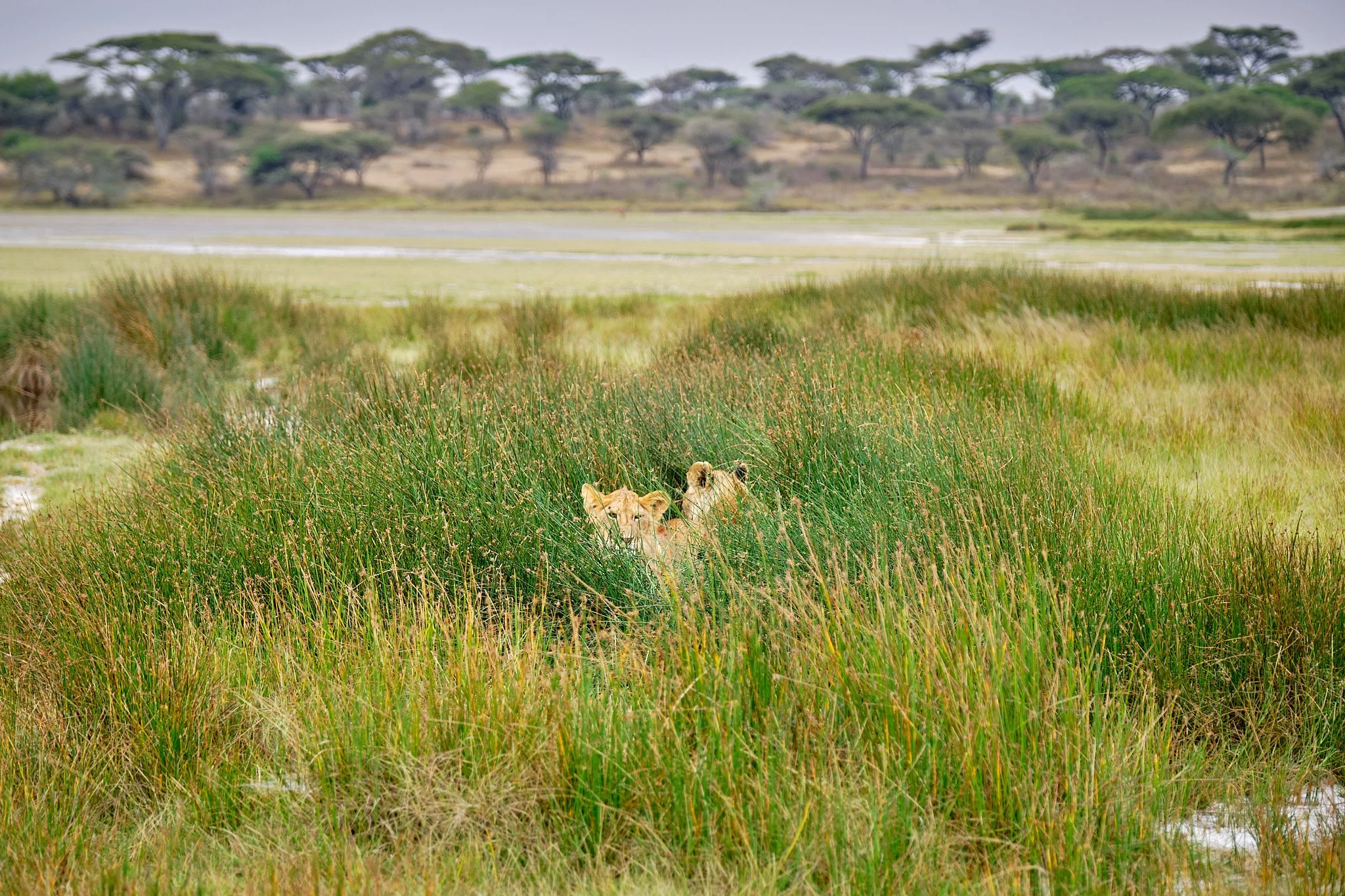
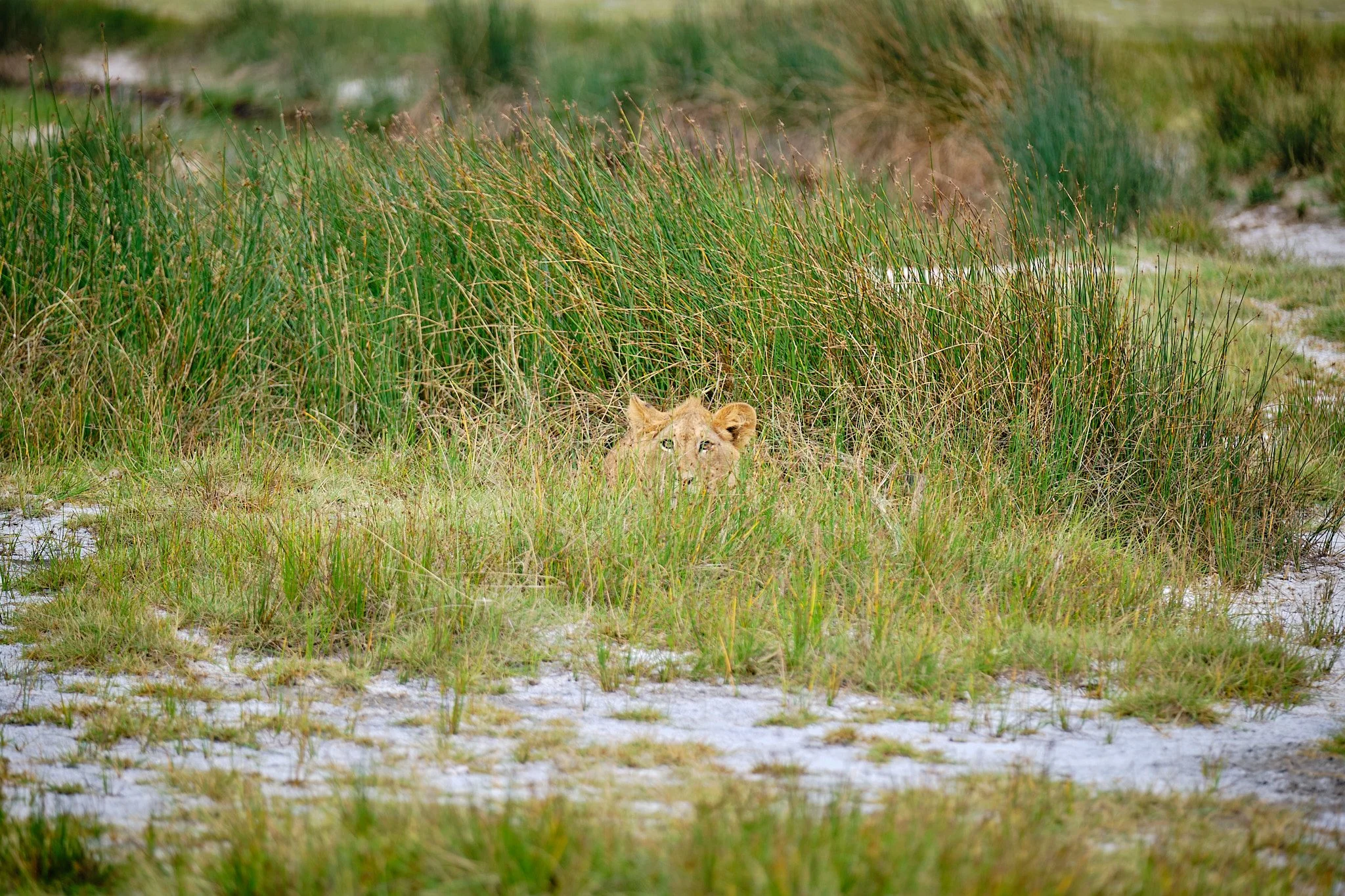
Browse the photo-gallery below to get an idea of the Southern Serengeti’s landscape and wildlife or return to the destinations overview by clicking here.